

Principle and Working Scene Characteristics of Carbon Particle Pneumatic Conveying System Equipment
Carbon particle pneumatic conveying systems are advanced industrial equipment designed to transport carbon-based particles efficiently through air pressure. These systems are widely used in various industrial applications where bulk material handling is required. The core principle of pneumatic conveying involves using compressed air to move particles from a source to a destination, eliminating the need for mechanical components like belts or buckets in traditional conveying methods.
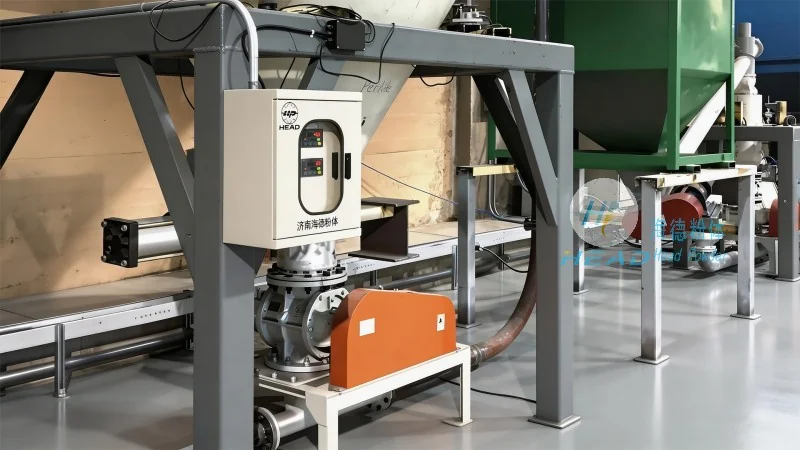
Working Principle of Pneumatic Conveying Systems
The operation of a carbon particle pneumatic conveying system is based on the fundamental principle of fluidization and air movement. When compressed air is introduced into a hopper containing carbon particles, the air creates a low-pressure zone that lifts the particles into the conveying line. The system typically consists of several key components, including a hopper for material storage, a feeder to control the flow rate, a conveying pipe to transport the particles, and a receiver to deposit the material at the destination. The air pressure and flow rate are carefully controlled to ensure optimal particle transport without causing excessive wear or blockages in the system.
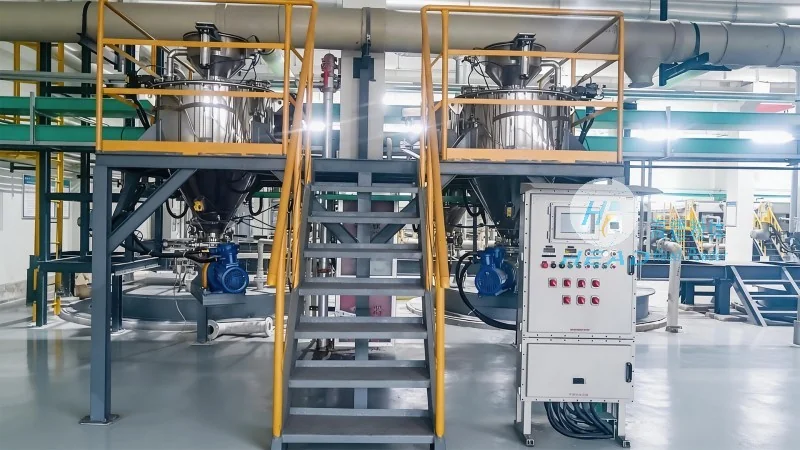
Key Components and Their Functions
Each component of the carbon particle pneumatic conveying system plays a crucial role in ensuring efficient operation. The hopper serves as the storage vessel, providing a consistent supply of carbon particles to the feeder. The feeder, often a rotary valve or a vibratory feeder, regulates the amount of material released into the conveying line, preventing overloading and maintaining a steady flow. The conveying pipe is usually made of durable materials like stainless steel or plastic to withstand the abrasive nature of carbon particles and the pressure of the air. The receiver is designed to collect the conveyed material and may include features like a dust collection system to minimize emissions and maintain a clean working environment.
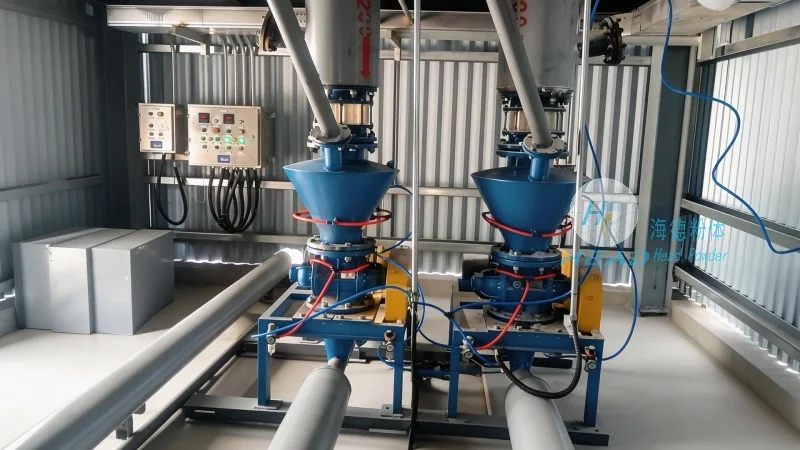
Working Scene Characteristics
The application scenarios for carbon particle pneumatic conveying systems vary widely depending on the type of carbon material being handled. For example, in the production of carbon black or graphite, these systems are used to transport raw materials or finished products between processing units. In battery manufacturing, they are essential for moving carbon powders to electrodes and other components. The working scene characteristics include high material throughput, minimal maintenance requirements, and the ability to handle fine or abrasive particles without degradation. Additionally, the systems are designed to operate in environments where dust control is critical, making them suitable for industries with strict environmental regulations.
Advantages of Pneumatic Conveying for Carbon Particles
Compared to traditional mechanical conveying methods, carbon particle pneumatic conveying systems offer several advantages. One of the primary benefits is the ability to handle fine or abrasive particles that would quickly wear out mechanical components. The system also provides a closed-loop operation, reducing dust emissions and improving workplace safety. Furthermore, the flexibility of pneumatic conveying allows for easy integration with existing production lines, enabling manufacturers to upgrade their material handling processes without major structural changes. The low maintenance requirements and long service life of these systems contribute to cost savings over time, making them a preferred choice for many industrial applications.
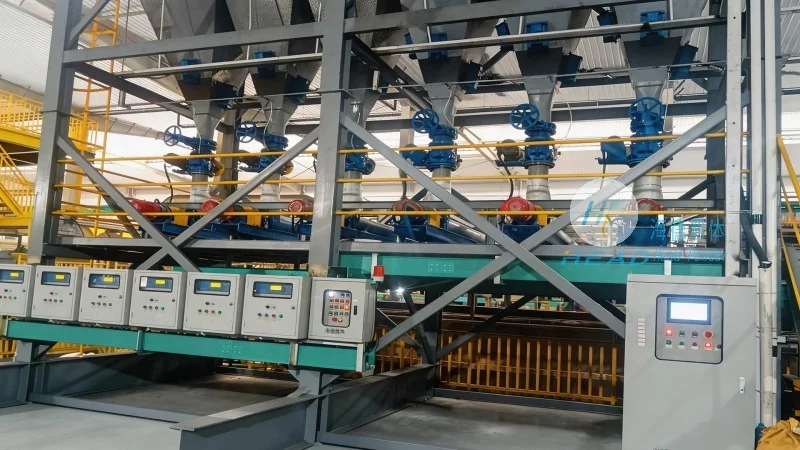
Application Examples in Industrial Settings
In industrial settings, carbon particle pneumatic conveying systems are commonly used in the production of carbon-based products such as carbon black, graphite, and activated carbon. For instance, in a carbon black manufacturing plant, the system may be used to transport raw petroleum coke or other feedstock materials to the reactor. In a battery manufacturing facility, it could be employed to move carbon powders to the electrode production line, ensuring precise and consistent material delivery. The systems are also used in chemical plants where carbon particles are used as catalysts or additives, requiring reliable and efficient transport to maintain production efficiency.