

Principle and Working Scene Characteristics of Grain Particle Pneumatic Conveying System Equipment
Grain particle pneumatic conveying systems are essential in modern agricultural and industrial operations, providing efficient and reliable methods for transporting bulk materials like grains, seeds, and other particulate commodities. This article explores the fundamental principles behind these systems and highlights the key working scene characteristics that define their effectiveness and application in various industries.
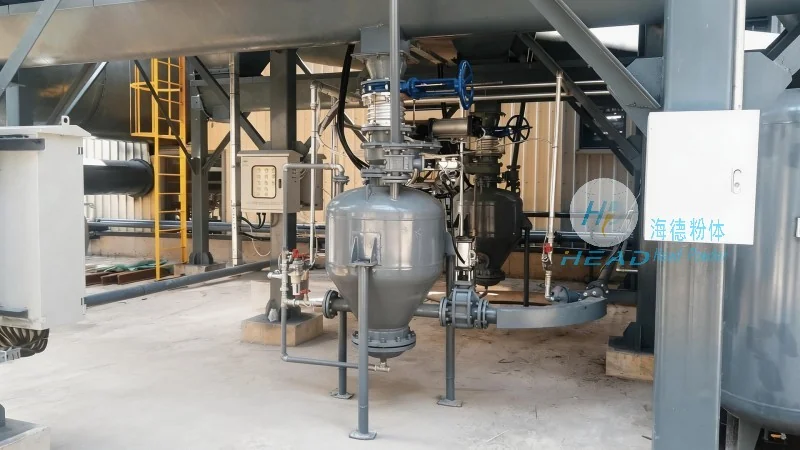
Understanding the Core Principles of Pneumatic Conveying Systems
The operation of a grain particle pneumatic conveying system is based on the principles of fluid dynamics and air movement. At its essence, the system uses a stream of air to transport solid particles through a pipeline. This process involves creating a pressure differential between the inlet and outlet of the system, which propels the material forward. The system typically consists of a blower or fan to generate the air flow, a hopper or feeder to introduce the grain particles, and a pipeline network that guides the material to its destination. The design of the system is critical, as it must ensure that the air velocity is sufficient to lift and transport the particles without causing excessive wear or degradation of the material. Key parameters such as air pressure, flow rate, and particle size distribution are carefully optimized to achieve efficient and consistent performance.
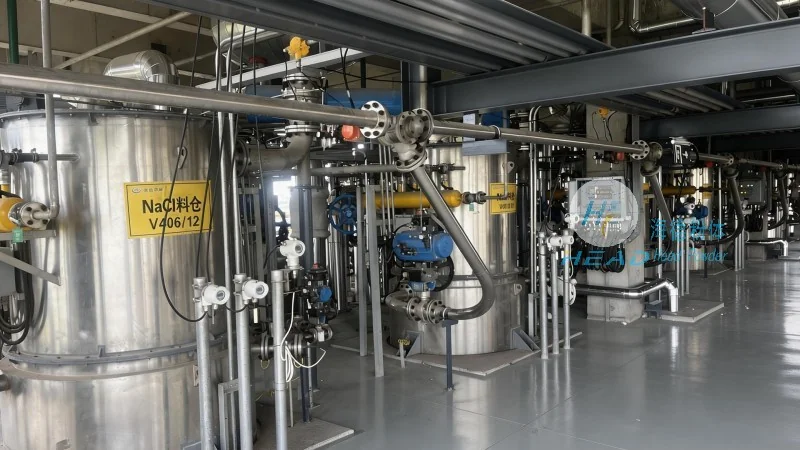
Key Working Scene Characteristics of Grain Particle Pneumatic Conveying Systems
The effectiveness of a grain particle pneumatic conveying system is heavily influenced by its working scene characteristics, which include factors like the type of material being conveyed, the distance and elevation changes, and the environmental conditions. For instance, in agricultural settings, these systems are commonly used in grain storage facilities, silos, and processing plants to move grain from storage bins to processing equipment or for loading trucks and containers. The working scene may involve vertical or horizontal transport, or a combination of both, depending on the layout of the facility. The system's ability to handle different grain types, such as wheat, corn, or rice, is another important characteristic, as different particles have varying densities and flow properties. Additionally, the system must be able to operate under varying conditions, including temperature fluctuations and humidity levels, which can affect the air density and particle behavior. The working scene characteristics also include the need for minimal maintenance and low operational costs, making the system a cost-effective solution for bulk material handling.
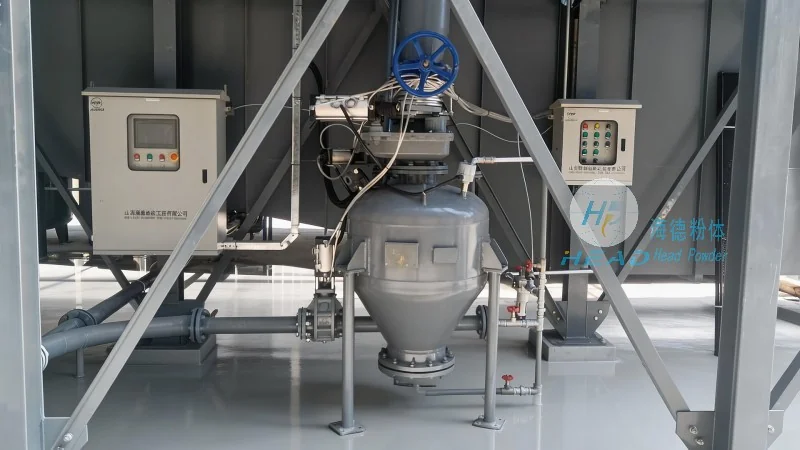
About Shandong HeadPowder Engineering Co., Ltd.
Shandong HeadPowder Engineering Co., Ltd., commonly known as HeadPowder, is a leading manufacturer and supplier of advanced pneumatic conveying systems and related equipment. With a strong focus on innovation and quality, HeadPowder has established itself as a trusted partner in the agricultural and industrial sectors, providing reliable solutions for grain and bulk material handling. The company's headquarters is located in Shandong, China, where it leverages its expertise and state-of-the-art technology to develop and produce high-performance pneumatic conveying systems tailored to the specific needs of its clients. HeadPowder's commitment to excellence is reflected in its rigorous quality control processes and customer-centric approach, ensuring that each system meets the highest standards of performance and durability. By combining advanced engineering with practical application knowledge, HeadPowder delivers systems that enhance operational efficiency and contribute to the success of its clients' businesses.