

Principle and Working Scene Characteristics of Corn Stalk Pneumatic Conveying System Equipment
HeadPowder, a leading manufacturer based in Shandong, China, specializes in the design and production of advanced corn stalk pneumatic conveying systems. These systems are engineered to efficiently handle and transport corn stalks, a critical agricultural byproduct, from collection sites to processing facilities. The core principle of pneumatic conveying involves using air pressure to move bulk materials through a pipeline network, eliminating the need for traditional mechanical conveyors and reducing operational costs.
Principle of Corn Stalk Pneumatic Conveying Systems
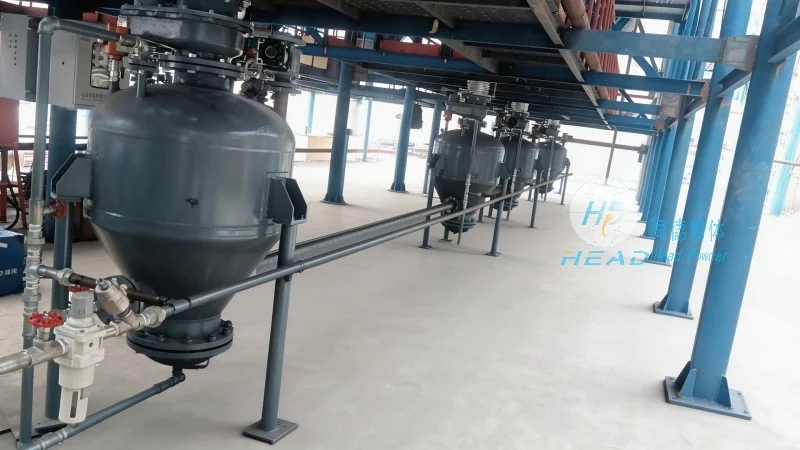
The core principle of corn stalk pneumatic conveying systems is the utilization of air as the primary conveying medium. The system operates by creating a pressure differential within a closed pipeline network. At the inlet, a high-capacity fan or blower generates a pressurized air stream, which draws the corn stalks into the pipeline through a hopper or inlet valve. The material is then entrained by the moving air and transported through the system. The air velocity is carefully controlled to ensure that the material particles are suspended and carried along the pipeline without settling or clogging. The system typically includes several key components: a material hopper for storage, a rotary airlock valve for controlled discharge, a pipeline system with appropriate diameter and length, and a material receiver for deposition. The air flow is regulated by control valves and dampers to maintain optimal pressure and prevent excessive energy consumption. This pneumatic approach offers significant advantages over traditional mechanical conveyors, such as reduced maintenance requirements, lower energy costs, and the ability to transport materials over longer distances without the need for multiple transfer points. The system's design also minimizes material degradation, as the gentle air flow preserves the integrity of the corn stalks, which is crucial for subsequent processing steps like baling or chipping.
Working Scene Characteristics of Corn Stalk Pneumatic Conveying Systems
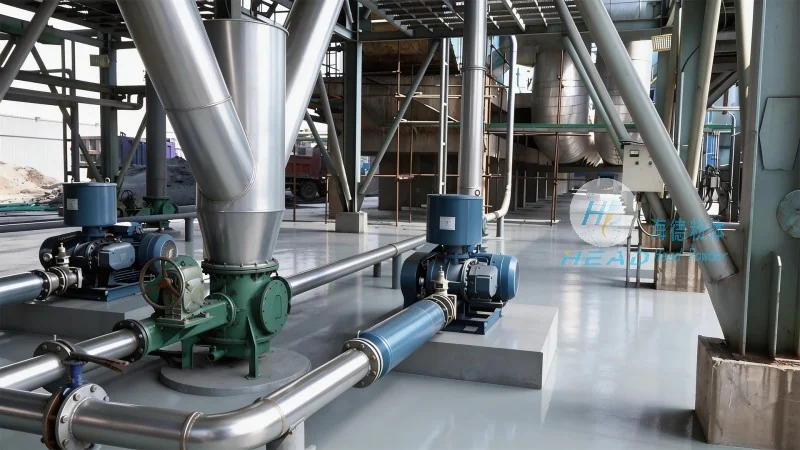
The working scene characteristics of corn stalk pneumatic conveying systems are tailored to the demanding conditions of agricultural and biomass processing environments. These systems are commonly deployed in large-scale farming operations, where corn stalks are harvested and need to be efficiently transported to storage or processing facilities. The equipment is engineered to handle the variable moisture content and irregular shapes of corn stalks, ensuring consistent and reliable material flow. In typical working scenarios, the system operates continuously during peak harvest seasons, with the conveyor handling large volumes of material. The pipeline network can be configured to cover extensive areas, connecting multiple collection points to a central processing plant. The system's flexibility allows for integration with other agricultural machinery, such as balers or choppers, to form a comprehensive material handling solution. The working environment is often characterized by high dust levels and the need for robust, weather-resistant components to withstand outdoor conditions. The design of the system emphasizes durability and low maintenance, as it is expected to operate for extended periods without interruption. Additionally, the system's ability to handle large volumes of material at high speeds makes it ideal for meeting the throughput requirements of modern agricultural processing facilities. The working scene may also involve multiple stages of processing, such as initial collection, transport, and final deposition, all managed by the pneumatic system. The system's efficiency in these scenarios reduces downtime and increases overall productivity, making it a critical component of modern agricultural operations.
Advantages and Applications in Agricultural Processing
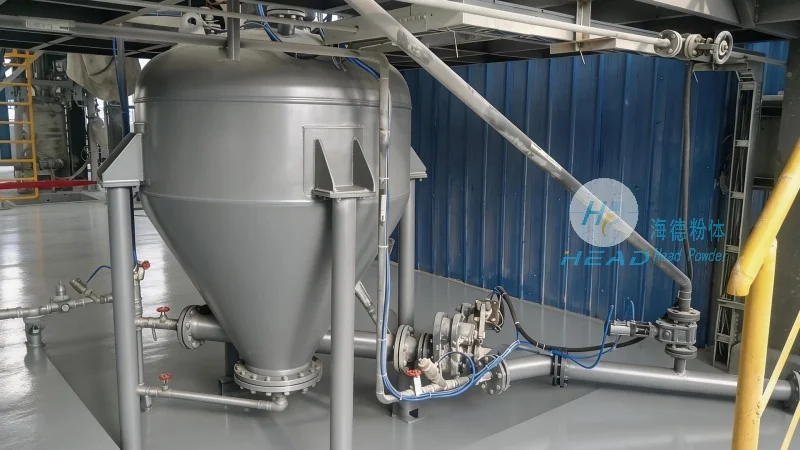
HeadPowder's corn stalk pneumatic conveying systems offer several key advantages that make them a preferred choice for agricultural and biomass processing applications. The primary benefit is the reduction in labor costs, as the system automates the material handling process, eliminating the need for manual loading and unloading. This not only increases operational efficiency but also enhances worker safety by minimizing exposure to heavy lifting and dust. The system also reduces material handling losses, as the pneumatic conveying process is more gentle on the material compared to mechanical methods, preserving the integrity of the corn stalks for subsequent processing. Another significant advantage is the ability to transport materials over long distances with minimal energy consumption. The air pressure required to move the material is typically lower than that needed for mechanical conveyors, resulting in lower operational costs and reduced environmental impact. The systems are also highly adaptable, allowing for customization to meet the specific needs of different processing facilities. For example, the pipeline network can be expanded or reconfigured to accommodate changes in production volume or facility layout. The equipment is suitable for a wide range of applications, including transporting corn stalks to biomass power plants, feed mills, or composting facilities. In biomass power plants, the system ensures a steady supply of fuel, while in feed mills, it helps maintain consistent feed quality. The versatility of the system makes it a valuable asset in modern agricultural operations, contributing to increased productivity and reduced operational expenses. Furthermore, the system's ability to handle large volumes of material at high speeds makes it ideal for meeting the throughput requirements of modern agricultural processing facilities, supporting the growth of sustainable biomass energy and agricultural productivity.