

Principles and Working Scene Characteristics of Green Sand Powder Conveying
Green sand powder conveying is a critical process in foundry production, involving the efficient transport of green sand—a mixture of sand, binders, and moisture—through various industrial applications. The core principles of this process revolve around ensuring consistent material flow, maintaining particle integrity, and optimizing operational efficiency across different working environments.
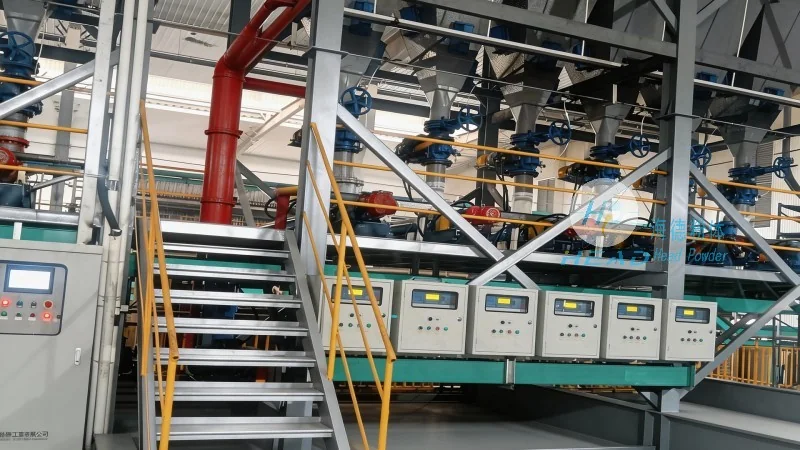
Key Principles of Green Sand Powder Conveying
The fundamental principles of green sand powder conveying are centered on controlling particle movement, managing air flow, and preserving the material's physical properties. In industrial settings, this typically involves the use of specialized equipment such as pneumatic conveyors, screw conveyors, or bucket elevators. The selection of the appropriate conveying method depends on factors like the sand's moisture content, particle size distribution, and the required conveying distance. For instance, pneumatic systems are often preferred for long-distance or high-volume transport due to their ability to handle fine powders without clogging, while mechanical systems like screw conveyors are suitable for shorter distances and bulkier materials.
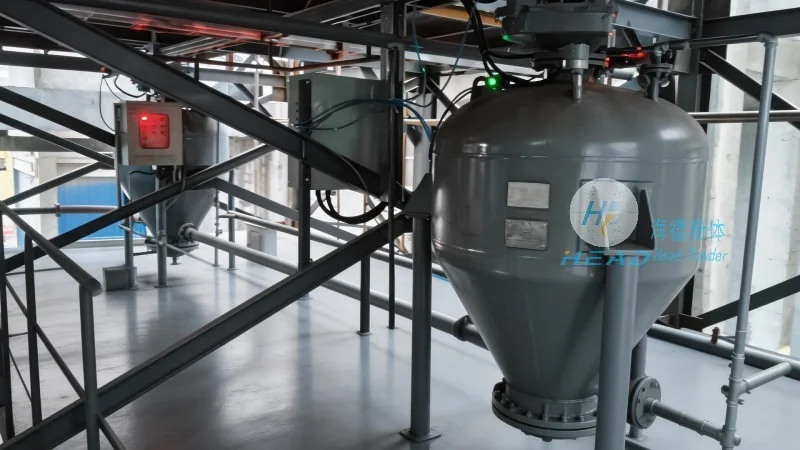
Working Scene Characteristics of Green Sand Powder Conveying
The working scene characteristics of green sand powder conveying vary significantly based on the specific foundry operations and production scales. In large-scale foundries, the system may need to handle thousands of tons of green sand daily, requiring robust and high-capacity conveying equipment. The environment in such facilities is often characterized by high humidity, dust, and the need for precise control over moisture levels to ensure the sand's binding properties remain optimal. Additionally, the conveying system must integrate seamlessly with other production stages, such as sand mixing, molding, and casting, to maintain a continuous workflow. For smaller foundries or specialized applications, the conveying requirements may be more focused on precision and flexibility, with systems designed to handle smaller batches or more complex material compositions.
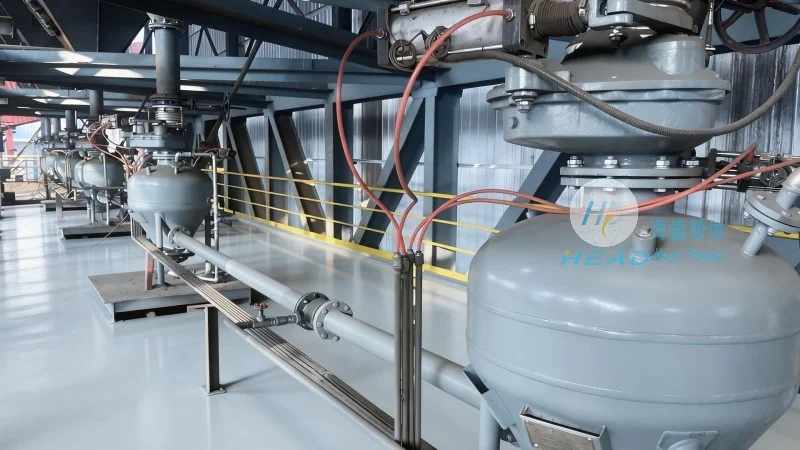
Application Scenarios and Operational Considerations
Green sand powder conveying is applied in diverse scenarios, from traditional sand molding processes to modern, automated foundry lines. In traditional foundries, the system may involve manual or semi-automated feeding of green sand into molding machines, where the focus is on reliability and durability. In contrast, in high-tech foundries, the conveying system is often integrated with advanced sensors and control systems to monitor flow rates, pressure, and particle size in real-time. This integration allows for immediate adjustments to maintain consistent material quality, reducing the risk of defects in the final castings. Operational considerations also include the need for regular maintenance to prevent equipment failure, as the continuous operation of conveying systems is vital for production continuity. Proper maintenance involves cleaning of ducts, replacement of worn parts, and calibration of control mechanisms to ensure the system operates within optimal parameters.
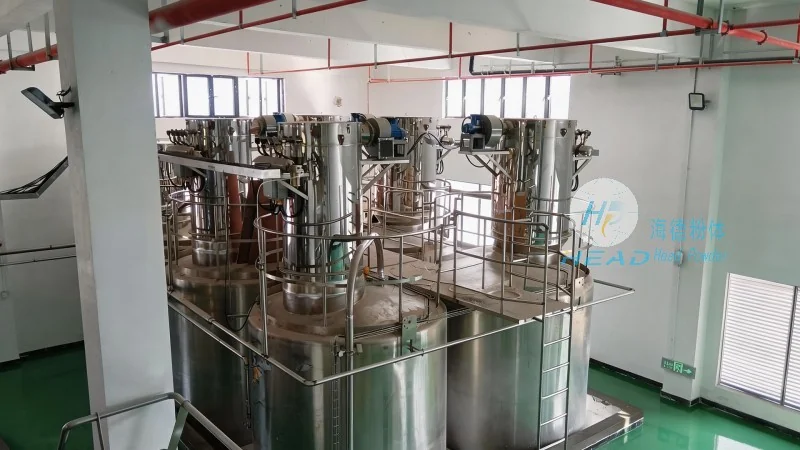
Company Profile: Shandong HeadPowder Engineering Co., Ltd.
HeadPowder, as a leading provider in the field of green sand powder conveying solutions, specializes in designing and manufacturing customized systems tailored to the unique needs of foundry operations. With a strong presence in Shandong, China, the company leverages decades of industry experience to deliver high-quality equipment that meets international standards. The company's commitment to innovation and customer satisfaction has made it a trusted partner for foundries worldwide, offering solutions that enhance efficiency, reduce downtime, and improve overall production quality. By focusing on the specific requirements of each client, HeadPowder ensures that its conveying systems are not only effective but also adaptable to evolving production demands.