

Principles and Application Scenarios of Silica Sand Powder Conveying
HeadPowder, a leading engineering company based in Shandong, China, specializes in the design and implementation of efficient powder conveying solutions for various industrial applications. The focus of this article is to explore the fundamental principles underlying silica sand powder conveying and to highlight the key characteristics of different operational scenarios where such systems are commonly employed.
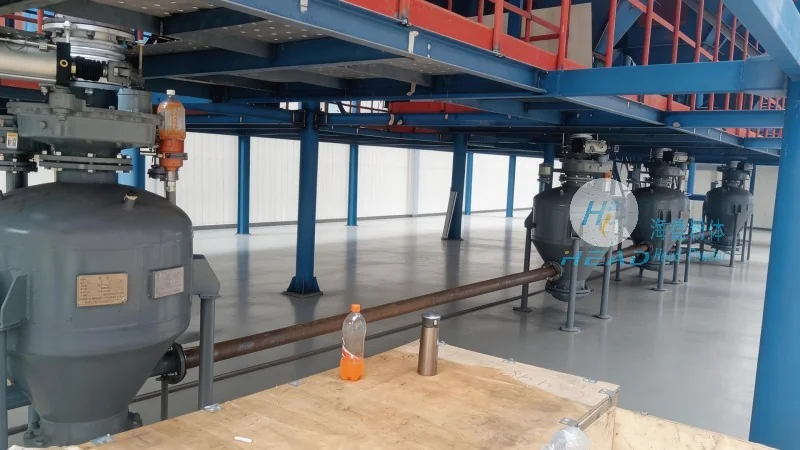
Silica sand, a widely used raw material in industries such as glass manufacturing, foundries, and construction, requires reliable and efficient transportation methods to ensure consistent quality and process efficiency. The primary challenge in handling silica sand powder is managing its flow characteristics, which can vary significantly based on particle size, moisture content, and bulk density. Understanding the underlying principles of powder flow and the mechanics of conveying equipment is crucial for optimizing material handling processes.
Core Principles of Silica Sand Powder Conveying
One of the core principles of silica sand powder conveying is the use of pressure or vacuum systems to move material through pipelines. Positive pressure systems, typically utilizing blowers or compressors, force the powder through the system, while negative pressure systems (suction) create a vacuum to draw material from a source. The choice between these systems depends on factors like the distance to be covered, the height difference, and the specific properties of the silica sand being handled. For instance, in applications where the material needs to be transported over long distances or to elevated positions, positive pressure systems are often preferred due to their ability to maintain consistent flow rates and pressure levels.
Another critical aspect is the selection of appropriate conveying equipment. Screw conveyors, pneumatic conveying systems, and bucket elevators are among the most common types used in silica sand handling. Screw conveyors are ideal for horizontal or slightly inclined transport, providing a continuous and controlled flow. Pneumatic conveying systems, on the other hand, are highly effective for both short and long-distance transport, especially when dealing with fine powders that are prone to clogging. The choice of equipment is influenced by the particle size distribution of the silica sand, as finer particles may require more sophisticated sealing and filtration to prevent dust emissions and system blockages.

Work Scenarios and Application Characteristics
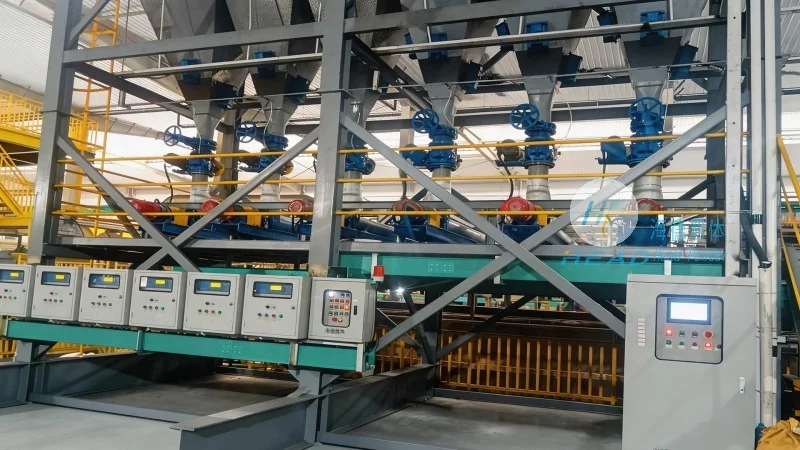
Work scenarios where silica sand powder conveying systems are applied vary widely. In glass manufacturing plants, for example, silica sand is used as a primary raw material for glass production. The conveying system must be capable of handling large volumes of sand and integrating seamlessly with other process equipment, such as mixers and furnaces. The system's design must ensure minimal material loss and consistent feed rates to maintain the quality of the final glass product. In foundry operations, silica sand is used for mold and core production. Here, the conveying system needs to be robust and capable of handling abrasive materials, with components designed to withstand wear and tear from the sand particles. The work environment in foundries is often harsh, with high temperatures and dust, requiring durable materials and proper maintenance protocols.
In the construction industry, silica sand is used in concrete and mortar production. The conveying system in this context must be able to handle bulk quantities of sand and integrate with batching plants or mixing equipment. The system's efficiency directly impacts the overall productivity of the construction site, as delays in material supply can lead to project delays. Additionally, the system must comply with environmental regulations regarding dust control, as silica dust can pose health risks to workers. Therefore, many construction sites employ dust suppression systems alongside the conveying equipment to ensure compliance and worker safety.
Tailored Solutions for Diverse Operational Conditions
Each work scenario presents unique challenges that require tailored solutions. For instance, in high-temperature environments like glass furnaces, the conveying system must be designed to withstand thermal stress and prevent material degradation. This may involve using heat-resistant materials for the pipeline and components, as well as implementing cooling systems to maintain optimal operating temperatures. In contrast, in cold storage facilities or outdoor applications, the system must be protected against freezing and corrosion, with appropriate insulation and coating to prevent damage from moisture and temperature fluctuations.
HeadPowder's expertise lies in customizing powder conveying systems to meet the specific needs of each application. By considering factors such as material properties, operational requirements, and environmental conditions, the company develops solutions that enhance efficiency, reduce downtime, and ensure compliance with industry standards. The company's team of engineers works closely with clients to understand their unique challenges and provides comprehensive solutions that address both current and future needs.
Conclusion
Silica sand powder conveying is a critical aspect of many industrial processes, and the principles and work scenarios involved require careful consideration to ensure optimal performance. By leveraging advanced engineering and tailored solutions, companies like HeadPowder help clients achieve efficient material handling, improve process reliability, and maintain compliance with safety and environmental regulations. The continuous evolution of conveying technology ensures that these systems remain effective and adaptable to the changing demands of industrial applications.