

[W]Working Principle and Application Characteristics of Intermittent Powder Conveyors
Intermittent powder conveyors are essential equipment in industrial processing, designed to transport bulk powders in a controlled, periodic manner. Understanding their working principle and application characteristics is crucial for optimizing material handling processes across various industries. This article provides a detailed overview of intermittent powder conveyors, highlighting their technical foundation, operational advantages, and practical deployment scenarios.
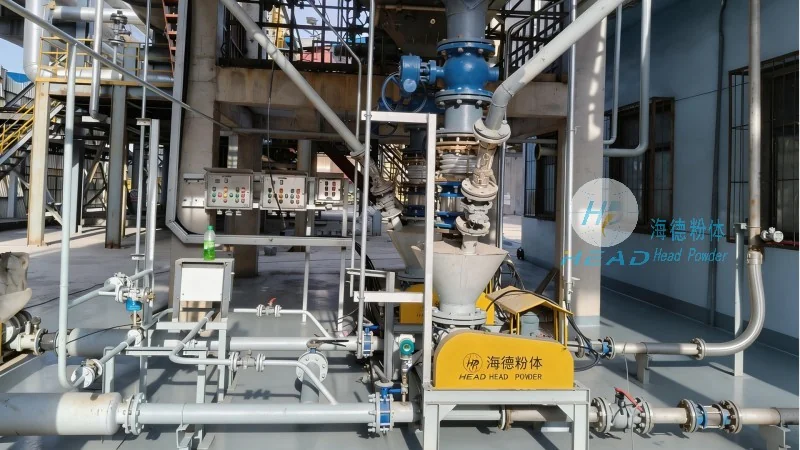
Company Profile: Shandong HeadPowder Engineering Co., Ltd.
Shandong HeadPowder Engineering Co., Ltd., a leading manufacturer in the field of powder handling technology, specializes in the design, development, and production of high-efficiency conveyor systems. With a strong focus on innovation and precision engineering, the company has established itself as a trusted partner for industries requiring reliable and efficient powder transport solutions. HeadPowder's commitment to quality and customer satisfaction is reflected in its comprehensive product line, which includes a range of intermittent powder conveyors tailored to diverse industrial needs. The company's headquarters is located in Shandong, China, where it leverages advanced manufacturing capabilities and technical expertise to deliver cutting-edge solutions for global markets.
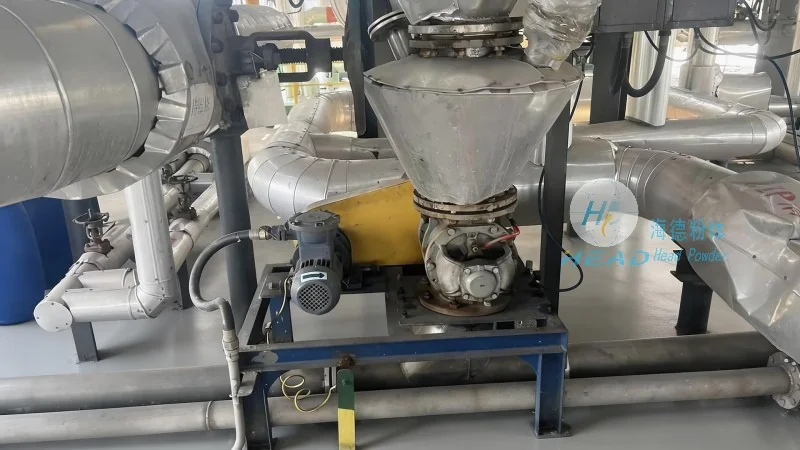
Working Principle of Intermittent Powder Conveyors
The core working principle of intermittent powder conveyors revolves around the periodic movement of a conveying mechanism, typically involving a hopper or container that stores the powder and a drive system that controls the discharge or transport of the material. Unlike continuous conveyor systems, intermittent conveyors operate in cycles, moving material in discrete batches rather than continuously. This design allows for precise control over the quantity and timing of powder release, which is critical for applications requiring accurate dosing or controlled feeding. The process typically begins with the powder being loaded into the hopper, where it is retained until the conveyor's drive mechanism activates. The drive system, often powered by electric motors or pneumatic actuators, initiates the movement of the conveying element, such as a screw, belt, or vibrating tray, to transport the powder from the hopper to the discharge point. Once the material is fully transferred, the drive system stops, and the cycle repeats. This cyclical operation ensures consistent and repeatable performance, minimizing variations in material flow and enhancing process reliability.
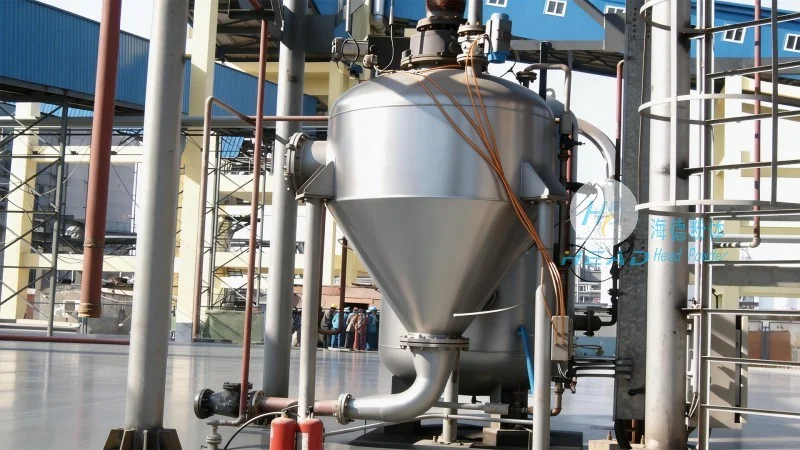
Key Working Characteristics and Application Scenarios
Intermittent powder conveyors exhibit several distinct characteristics that make them suitable for specific industrial applications. One of the primary advantages is their ability to handle a wide range of powder types, including fine powders, granules, and bulk materials, without causing segregation or degradation. The controlled discharge mechanism prevents material from sticking to the conveying surfaces, reducing the risk of clogging and ensuring smooth operation. Additionally, these conveyors are designed to accommodate varying material densities and flow properties, making them versatile for different processing requirements. In terms of application scenarios, intermittent conveyors are widely used in sectors such as pharmaceuticals, food processing, chemical manufacturing, and mining. For example, in pharmaceutical production, they are used to transport active ingredients and excipients with high precision, ensuring consistent dosing in tablet and capsule manufacturing. In the food industry, they handle powders like flour, sugar, and spices, maintaining hygiene standards and preventing cross-contamination. In chemical plants, they transport raw materials and intermediates, supporting batch processing and quality control. The adaptability of intermittent conveyors to different industries and processes makes them a valuable asset in modern manufacturing environments.
Technical Advantages and Practical Benefits
Intermittent powder conveyors offer several technical advantages that contribute to their widespread adoption in industrial settings. One key benefit is the precise control over material flow, which is achieved through the cyclical operation and adjustable drive parameters. This allows operators to regulate the quantity of powder conveyed per cycle, ensuring that downstream processes receive the exact amount needed. The controlled discharge also minimizes material waste and reduces the risk of overloading or underloading, leading to improved process efficiency and cost savings. Another advantage is the reduced risk of material degradation, as the conveying mechanism operates at low speeds and with minimal friction, preserving the quality of sensitive powders. This is particularly important in industries where material purity and consistency are critical, such as pharmaceuticals and food processing. Furthermore, intermittent conveyors are designed for easy maintenance and cleaning, with removable components that can be disassembled and sanitized. This feature enhances operational flexibility and compliance with regulatory standards, making them suitable for industries with stringent hygiene requirements. The durability and reliability of these systems, combined with their low maintenance costs, contribute to long-term operational efficiency and return on investment.
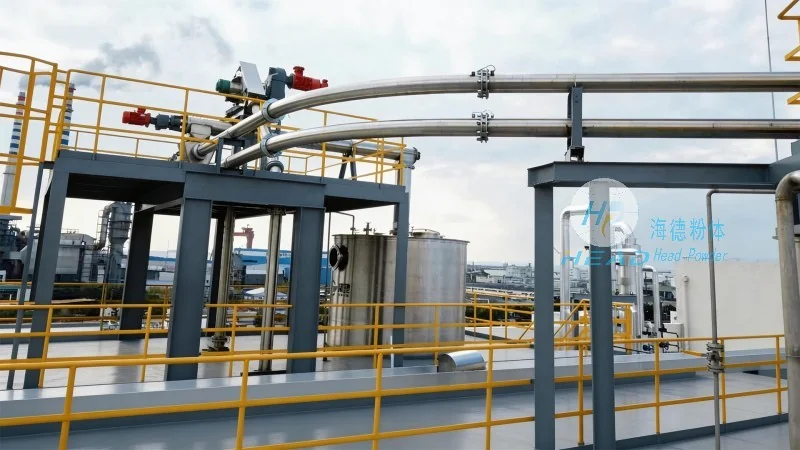
Typical Industry Applications and Case Studies
Real-world applications of intermittent powder conveyors demonstrate their effectiveness in various industrial contexts. In a pharmaceutical manufacturing facility, HeadPowder's intermittent conveyor was installed to transport active pharmaceutical ingredients (APIs) from storage silos to mixing tanks. The system's precise dosing capability ensured that each batch of API was delivered with minimal variation, meeting stringent quality control standards. The conveyor's hygienic design and easy cleaning features helped maintain compliance with FDA regulations, reducing the risk of contamination. In a food processing plant, the conveyor was used to transport flour from bulk storage to a packaging line. The controlled discharge mechanism prevented flour from sticking to the conveyor surfaces, ensuring consistent flow and preventing clogging. The system's ability to handle large volumes efficiently improved production throughput, allowing the plant to meet increased demand. In a chemical plant, the conveyor was integrated into a batch production line for the handling of raw chemical powders. The intermittent operation allowed for accurate dosing of each chemical component, ensuring the correct formulation of the final product. The reliability of the conveyor system reduced downtime and maintenance costs, contributing to overall operational efficiency. These case studies illustrate the practical benefits of intermittent powder conveyors in optimizing material handling processes and enhancing production quality across different industries.