

Principle and Working Scene Characteristics of Red Mud Powder Conveying System Equipment
Red mud, a byproduct of bauxite processing in the aluminum industry, poses significant challenges in handling and transportation due to its high moisture content, abrasive nature, and variable particle size. The efficient conveyance of red mud powder requires specialized equipment designed to address these challenges while ensuring safety, reliability, and environmental compliance. This article explores the underlying principles of red mud powder conveying systems, detailing their operational mechanisms and highlighting key characteristics of various working scenarios where such systems are applied.
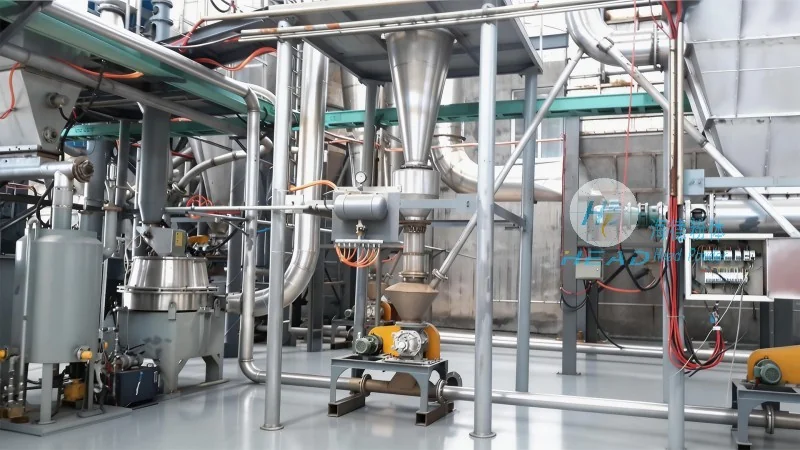
Core Principles of Red Mud Powder Conveying Systems
The fundamental principle of red mud powder conveying systems revolves around the use of mechanical or pneumatic methods to transport fine particulate materials like red mud over horizontal, vertical, or inclined distances. These systems are engineered to handle the unique properties of red mud, which includes high density, cohesive behavior, and potential for dust generation. The primary components of such systems typically include a feeding mechanism, a conveying medium (air or mechanical force), a transport pipeline, and a discharge unit. The choice of conveying method—whether pneumatic (air-assisted) or mechanical (e.g., screw, belt, or bucket elevators)—depends on factors like material characteristics, distance, and environmental regulations. For red mud, which is often sticky and abrasive, mechanical systems may be preferred to minimize wear and ensure consistent flow, while pneumatic systems offer flexibility for long-distance or complex route applications.
Working Scene Characteristics of Red Mud Powder Conveying Systems
Red mud powder conveying systems are deployed in diverse industrial settings, each with distinct operational requirements and characteristics. The most common working scenarios include:
1. On-site Material Handling: In aluminum smelting plants, red mud is generated at the bauxite digestion and precipitation stages. Conveying systems are used to transport red mud from the production line to storage silos or disposal sites within the plant premises. This scenario demands high throughput and reliability, as the plant operates continuously. The equipment must be able to handle large volumes of red mud while maintaining low maintenance costs and minimal downtime.
2. Long-Distance Transportation: In some cases, red mud needs to be transported from the aluminum plant to off-site disposal or reclamation sites, often over distances of several kilometers. For such applications, pneumatic conveying systems are advantageous due to their ability to transport materials over long distances without the need for multiple transfer points. These systems use high-pressure air to move red mud particles through pipelines, ensuring efficient and dust-free transport. The working scene here emphasizes energy efficiency and environmental protection, as the transport process must minimize emissions and noise.
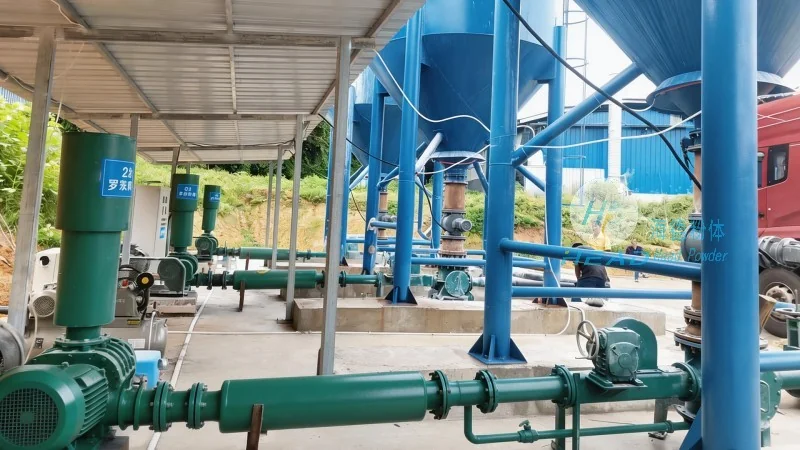
3. Process Integration: Red mud conveying systems are often integrated with other industrial processes, such as dewatering or thickening operations. In these scenarios, the conveying equipment works in tandem with other machinery to ensure a seamless flow of material from one stage to the next. For example, after red mud is dewatered in a thickener, the resulting slurry is conveyed to a drying facility, where it is then processed into powder. The working scene requires precise control of flow rates and pressure to maintain the integrity of the material and prevent clogging or blockages in the system.
4. Environmental Compliance: With increasing environmental regulations governing industrial waste disposal, red mud conveying systems must adhere to strict standards for dust control and emissions. This working scenario involves the use of enclosed pipelines, dust collection systems, and filtration equipment to minimize the release of fine particles into the atmosphere. The equipment must also be designed for easy cleaning and maintenance to ensure compliance with regulatory requirements over time.
Key Features and Advantages of Red Mud Powder Conveying Systems
Red mud powder conveying systems, as designed by companies like Shandong HeadPowder Engineering Co., Ltd., offer several key features that make them suitable for challenging applications. These include:
• High Efficiency and Reliability: The systems are engineered to deliver consistent performance with minimal downtime, ensuring that production processes are not interrupted. This is achieved through robust construction, advanced control systems, and regular maintenance protocols.
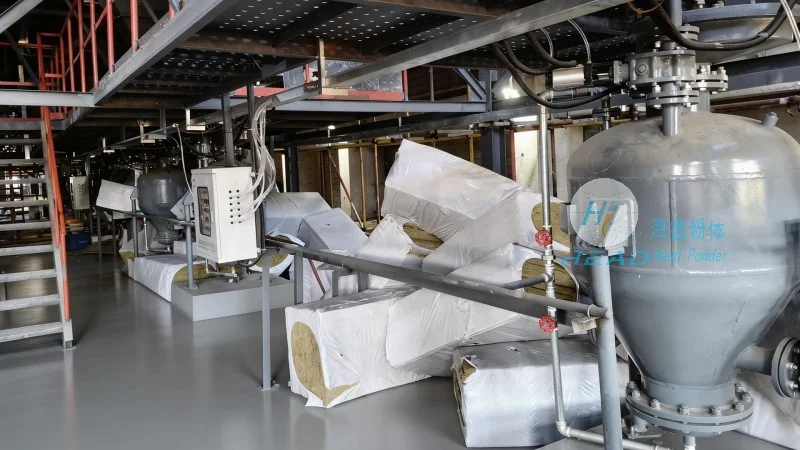
• Adaptability to Material Properties: The equipment is designed to handle the variable characteristics of red mud, including changes in moisture content, particle size, and stickiness. This adaptability allows the system to operate effectively under different conditions without the need for frequent adjustments.
• Low Maintenance and Long Lifespan: By using high-quality materials and durable components, the systems are built to withstand the abrasive nature of red mud, reducing the need for frequent repairs and extending their operational life.
• Environmental Sustainability: The systems incorporate features such as dust suppression and energy-efficient operation, contributing to reduced environmental impact and compliance with sustainability goals.
Conclusion
Red mud powder conveying systems are critical components in the aluminum industry, enabling the efficient and safe handling of a challenging byproduct. By understanding the core principles and working scene characteristics of these systems, industries can select the most appropriate equipment to meet their operational needs. Companies like Shandong HeadPowder Engineering Co., Ltd., based in China, specialize in designing and manufacturing such systems, providing tailored solutions that address the unique challenges of red mud transportation. With their focus on efficiency, reliability, and environmental compliance, these systems play a vital role in optimizing industrial processes and reducing the environmental footprint of aluminum production.