

Principle and Working Scene Characteristics of Dry Desulfurization Fly Ash Powder Conveying System E
HeadPowder, a leading provider in the field of industrial material handling solutions, specializes in the design, manufacturing, and implementation of advanced dry desulfurization fly ash powder conveying systems. With a strong presence in Shandong, China, the company has established itself as a trusted partner for clients seeking efficient and reliable equipment for handling fly ash, a byproduct of coal-fired power plants. This article delves into the core principles of such systems and highlights the key working scene characteristics that make them indispensable in modern industrial applications.
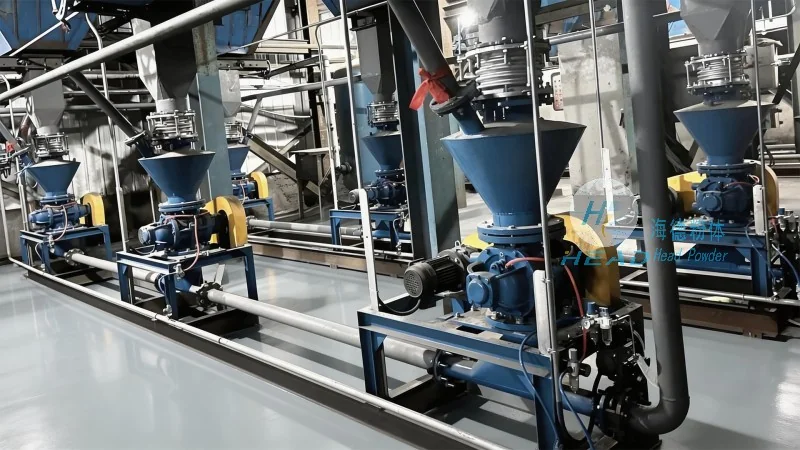
Understanding the Dry Desulfurization Fly Ash Powder Conveying System
The dry desulfurization fly ash powder conveying system is a sophisticated piece of equipment engineered to transport fly ash, a fine powder resulting from the desulfurization process in thermal power plants. Unlike wet desulfurization, which involves water to capture sulfur dioxide, dry desulfurization uses dry reagents to neutralize pollutants, producing a dry ash residue. This ash, often referred to as fly ash, is a valuable byproduct that can be utilized in construction materials, but its handling requires specialized equipment due to its fine particle size and potential for dust generation.
At the heart of the conveying system is the ability to move this fine powder from the desulfurization unit to storage or processing facilities without compromising efficiency or safety. The system typically incorporates components such as ash hoppers, conveyor belts, or pneumatic conveying lines, each designed to handle the unique properties of fly ash. For instance, pneumatic conveying systems use air pressure to transport the powder, minimizing the risk of dust dispersion and ensuring a clean, controlled transfer process. Mechanical systems, on the other hand, rely on belts or screws to move the material, offering a more direct and often lower-cost solution for shorter distances.
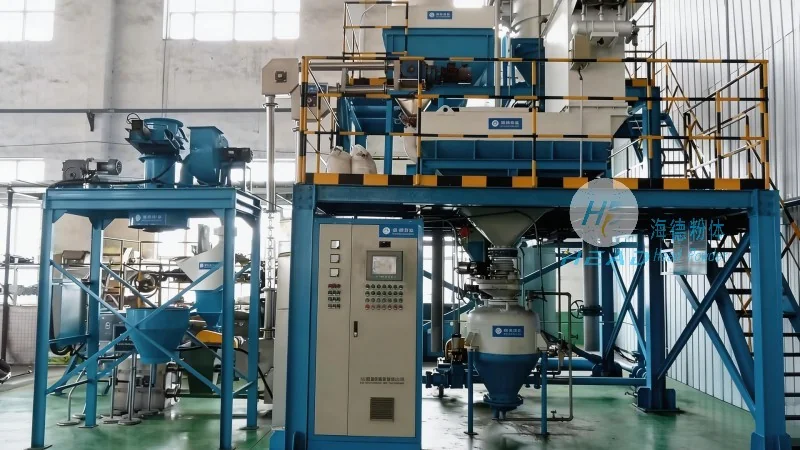
Key Working Scene Characteristics of the Conveying System
The effectiveness of a dry desulfurization fly ash powder conveying system is heavily influenced by the working scene characteristics, which vary based on the specific industrial environment and operational requirements. These characteristics include factors such as the scale of the power plant, the distance between the desulfurization unit and the storage facility, the ambient conditions, and the regulatory standards for dust control. Each of these factors dictates the choice of conveying technology and the design of the system components.
One of the primary working scene characteristics is the scale of the operation. Large-scale power plants generate substantial amounts of fly ash, necessitating high-capacity conveying systems capable of handling large volumes of material at a consistent rate. The system must be designed to match the production capacity of the desulfurization unit, ensuring that the ash is transferred without causing bottlenecks or interruptions in the overall plant operation. This requires careful consideration of the conveyor speed, the size of the hoppers, and the capacity of the pneumatic lines or mechanical belts.
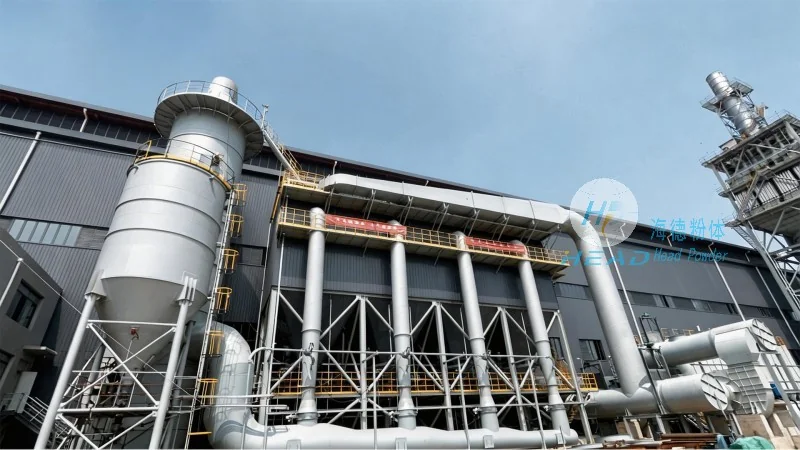
Another critical characteristic is the distance between the desulfurization unit and the storage or processing location. For short distances, mechanical conveying systems like belt conveyors or screw conveyors may be sufficient, as they are cost-effective and straightforward to install. However, for longer distances, pneumatic conveying systems are often preferred due to their ability to transport material over greater distances with minimal loss of pressure and efficiency. The choice of system also depends on the need to maintain a consistent flow rate and to minimize the risk of material degradation or caking, which can occur if the ash is left in contact with air for extended periods.
Environmental and safety considerations are also paramount in the working scene. Fly ash is a fine powder that can cause respiratory issues if inhaled, and it is classified as a hazardous material in many regions. Therefore, the conveying system must be designed to minimize dust generation and ensure that any airborne particles are captured and filtered before being released into the environment. This often involves the use of sealed hoppers, enclosed conveyor lines, and advanced filtration systems, which are integrated into the overall design of the system.
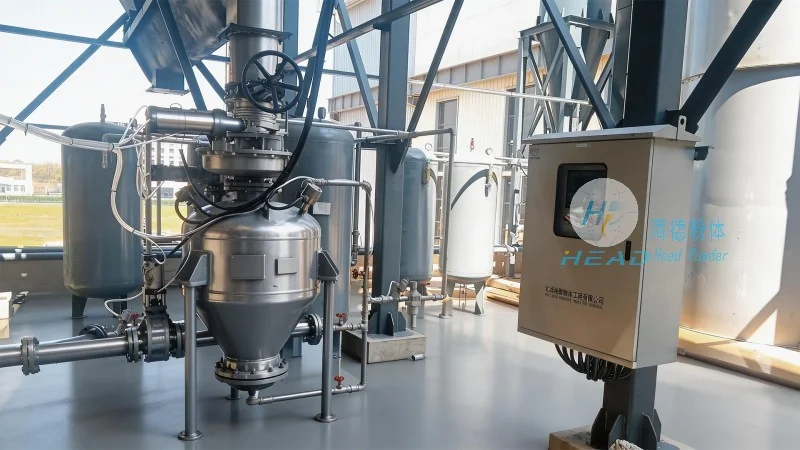
Regulatory compliance is another key factor that influences the working scene characteristics. Different regions have specific standards for the handling and disposal of fly ash, including limits on dust emissions and the requirement for proper storage to prevent contamination of soil or water sources. The conveying system must be designed to meet these regulatory requirements, which may include features such as dust suppression systems, leak detection mechanisms, and secure storage containers. Compliance with these standards not only ensures the safety of the plant personnel but also helps the company avoid fines and maintain a positive reputation in the industry.
Conclusion: The Importance of Tailored Conveying Solutions
In conclusion, the dry desulfurization fly ash powder conveying system is a critical component of modern power plant operations, enabling the efficient and safe handling of fly ash. The system's effectiveness is determined by a combination of its design, the choice of conveying technology, and the specific working scene characteristics of the plant. By understanding these factors and tailoring the system to meet the unique needs of each client, HeadPowder ensures that its clients receive reliable, high-performance equipment that enhances operational efficiency and adheres to environmental and safety standards. As the demand for sustainable energy solutions continues to grow, the importance of such specialized conveying systems will only increase, making them a vital part of the future of industrial material handling.