

Principles and Working Scene Characteristics of Inorganic Salt Crystal Material Conveying
Inorganic salt crystals are widely used in various industrial sectors, including chemical manufacturing, pharmaceutical production, and food processing. The efficient and reliable transport of these crystalline materials is crucial for maintaining production efficiency and product quality. This article explores the fundamental principles behind the conveying of inorganic salt crystals and highlights the key characteristics of different working scenarios where such systems are employed.
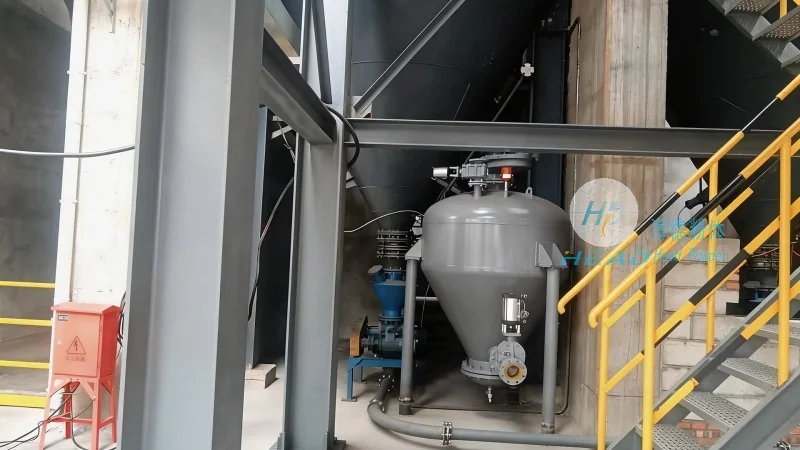
Core Principles of Inorganic Salt Crystal Material Conveying
The conveyance of inorganic salt crystals typically involves several key principles designed to handle the unique properties of these materials. First, the system must address the challenges posed by the crystalline structure, which can lead to issues like blockages, agglomeration, and uneven flow. To mitigate these problems, specialized equipment such as screw conveyors, pneumatic conveyors, and bucket elevators is often employed. These devices are engineered to maintain the integrity of the crystals while ensuring smooth and continuous movement. For instance, screw conveyors use rotating screws to push the material forward, which is particularly effective for handling free-flowing crystals without causing excessive pressure or breakage. Pneumatic conveyors, on the other hand, utilize air pressure to transport the crystals through a pipeline, offering advantages in terms of flexibility and the ability to handle materials over longer distances. Bucket elevators are another common solution, especially for vertical transport, as they can lift large quantities of crystals efficiently while minimizing product degradation.
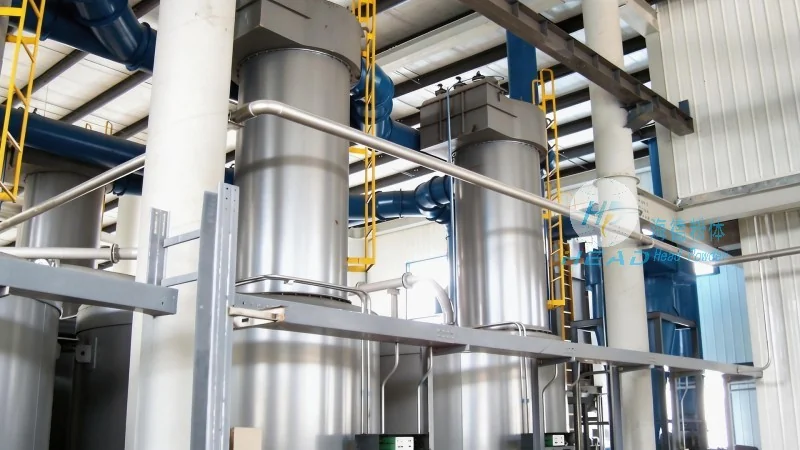
Working Scene Characteristics: Industrial Applications
The characteristics of inorganic salt crystal conveying systems vary significantly depending on the specific industrial application. In chemical manufacturing, for example, the systems often need to handle high volumes of salt crystals at high temperatures, requiring robust materials and precise control mechanisms. The working environment may involve corrosive substances or high humidity, necessitating the use of stainless steel or other corrosion-resistant materials in the conveyor components. In pharmaceutical production, the focus shifts to maintaining strict hygiene and preventing contamination. This means that the conveying equipment must be designed with cleanability in mind, featuring smooth surfaces and easy-to-clean components. The systems may also incorporate dust collection and filtration systems to ensure that the crystals remain free from impurities, which is critical for pharmaceutical-grade products. Food processing applications, such as the handling of salt for food preservation, require additional considerations related to food safety and regulatory compliance. The equipment must be constructed from food-grade materials and meet stringent sanitation standards to prevent any cross-contamination with other products.
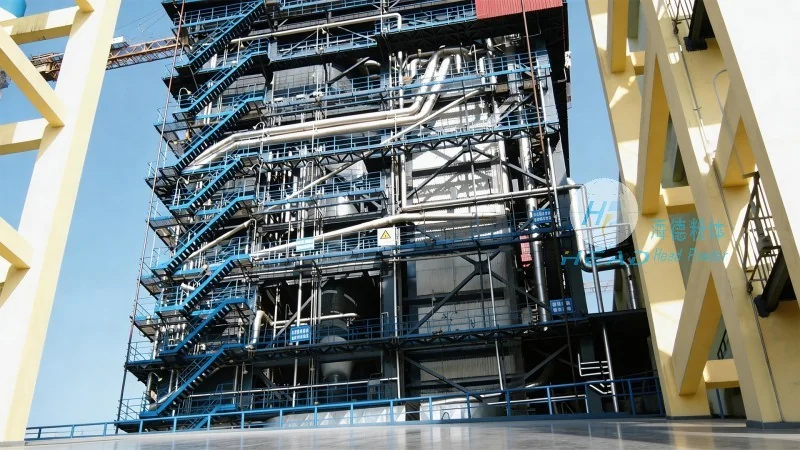
Company Overview: Shandong HeadPowder Engineering Co., Ltd.
Shandong HeadPowder Engineering Co., Ltd., commonly known as HeadPowder, is a leading provider of specialized conveying solutions for inorganic salt crystals. With a strong focus on innovation and customer-centric design, the company has developed a range of advanced systems tailored to meet the diverse needs of various industries. HeadPowder's expertise lies in understanding the unique challenges of crystal material handling and providing customized solutions that enhance operational efficiency and product quality. The company's team of engineers and technicians work closely with clients to assess their specific requirements and design systems that are both effective and reliable. By leveraging cutting-edge technology and years of industry experience, HeadPowder has established itself as a trusted partner in the field of material conveying for inorganic salt crystals.
Key Features and Advantages of HeadPowder's Conveying Systems
HeadPowder's conveying systems for inorganic salt crystals are characterized by several key features that set them apart from conventional solutions. One of the primary advantages is the use of high-quality materials, such as stainless steel and food-grade plastics, which ensure durability and resistance to corrosion and wear. The systems are also designed with energy efficiency in mind, incorporating advanced motor controls and variable speed drives to optimize power consumption. This not only reduces operational costs but also contributes to environmental sustainability. Another notable feature is the integration of monitoring and control systems, which allow for real-time tracking of the conveying process. Operators can easily monitor flow rates, pressure, and other critical parameters, enabling proactive maintenance and minimizing downtime. The systems are also equipped with safety features, such as overload protection and emergency stop mechanisms, to ensure the safety of personnel and equipment. Additionally, HeadPowder offers comprehensive after-sales support, including installation, training, and maintenance services, to ensure that clients can maximize the performance and lifespan of their conveying systems.
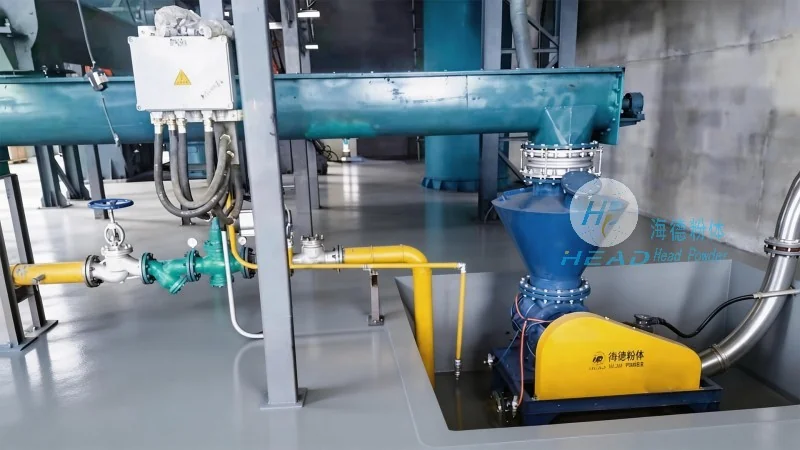
Conclusion: Enhancing Efficiency in Inorganic Salt Crystal Handling
In conclusion, the efficient conveyance of inorganic salt crystals is a critical aspect of modern industrial operations. By understanding the fundamental principles and adapting to the specific characteristics of different working scenarios, companies can optimize their material handling processes and improve overall productivity. Shandong HeadPowder Engineering Co., Ltd. plays a vital role in this by providing advanced, customized conveying solutions that address the unique challenges of crystal material handling. With their commitment to quality, innovation, and customer satisfaction, HeadPowder continues to be a key player in the industry, helping businesses achieve greater efficiency and reliability in their operations. Whether in chemical manufacturing, pharmaceutical production, or food processing, the right conveying system is essential for maintaining high standards and meeting the demands of today's competitive market.