

Principle and Working Scene Characteristics of Negative Pressure Dilute Phase Material Handling Syst
HeadPowder, a professional engineering company based in Shandong, China, specializes in the design, manufacturing, and implementation of advanced material handling solutions. With a focus on negative pressure dilute phase material handling systems, the company provides customized solutions tailored to diverse industrial applications.
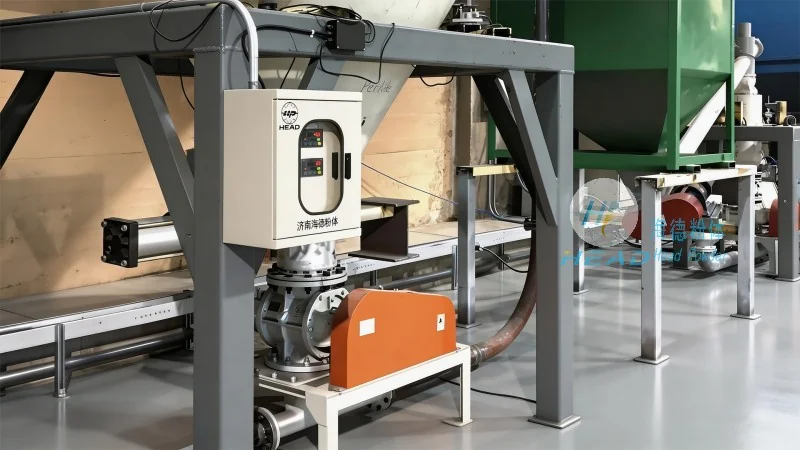
Principle of Negative Pressure Dilute Phase Material Handling Systems
Negative pressure dilute phase material handling systems operate by creating a vacuum environment within the conveying line. This vacuum draws the material particles into the pipeline, where they are suspended in a low-concentration gas stream. The system uses a combination of air flow and pressure differentials to transport bulk materials efficiently over long distances. The key components include a vacuum pump, a conveying line, a material feeder, and a control system. The vacuum pump generates the necessary negative pressure, while the feeder introduces the material into the line. The gas stream, typically air, carries the particles, ensuring a consistent and reliable flow. This method is particularly effective for handling fine and powdery materials, as it minimizes particle degradation and ensures a uniform conveying process.
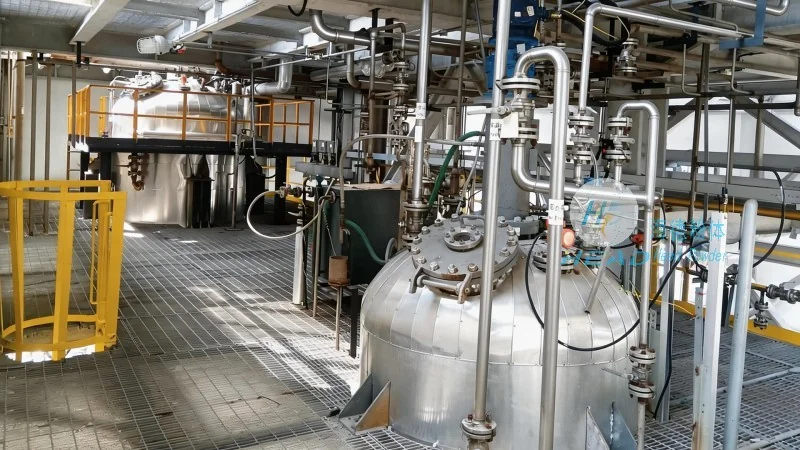
Working Scene Characteristics and Application Advantages
The negative pressure dilute phase material handling system is designed for scenarios where material transport requires low pressure, minimal dust emission, and efficient handling of fine powders. Key characteristics include: 1. Low Pressure Operation: The system operates under negative pressure, reducing the risk of dust leakage and ensuring compliance with environmental regulations. 2. Efficient Material Transport: The dilute phase design allows for high material throughput with minimal energy consumption, making it suitable for long-distance conveying. 3. Reduced Particle Degradation: The gentle suspension of particles in the gas stream prevents breakage or agglomeration, preserving the material's quality. 4. Flexible Application: The system can handle a wide range of materials, including powders, granules, and fine particles, from various industries such as pharmaceuticals, food processing, and chemical manufacturing.
Typical Working Scenarios and Industrial Applications
The negative pressure dilute phase material handling system is widely used in various industrial settings, including: 1. Pharmaceutical Industry: For transporting active pharmaceutical ingredients (APIs) and fine powders, ensuring strict contamination control and material integrity. 2. Food Processing: Handling food-grade powders and granules, maintaining hygiene standards and preventing cross-contamination. 3. Chemical Manufacturing: Conveying chemical powders and reagents, with the system's ability to handle corrosive or sensitive materials. 4. Mineral Processing: Transporting ore powders and fine minerals, optimizing the material flow in mining operations. 5. Environmental Applications: Managing dust and particulate matter in industrial processes, reducing emissions and improving air quality.
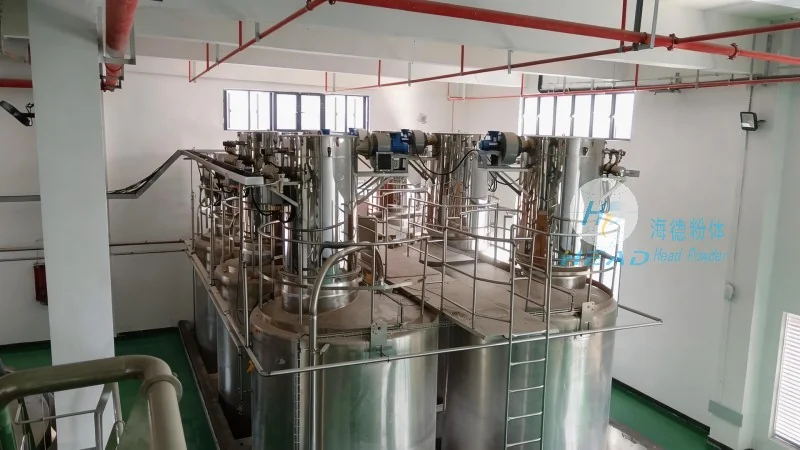
Technical Advantages and Performance Highlights
HeadPowder Engineering Co., Ltd., based in Shandong, China, is a leading provider of negative pressure dilute phase material handling systems. The company's expertise in engineering and manufacturing ensures that clients receive reliable, efficient, and cost-effective solutions for their material transport needs. By leveraging advanced technology and a customer-centric approach, HeadPowder continues to deliver high-quality systems that meet the demands of modern industrial applications.