

Principle and Working Scene Characteristics of Unmanned Material Feeding Conveyor Systems
HeadPowder, a leading provider in material handling solutions, specializes in advanced unmanned material feeding conveyor systems. These systems are designed to streamline material transport processes in various industrial settings, enhancing operational efficiency and safety. The company, based in Shandong, China, leverages cutting-edge technology to develop customized solutions tailored to specific industry needs.
Core Principles of Unmanned Material Feeding Conveyor Systems
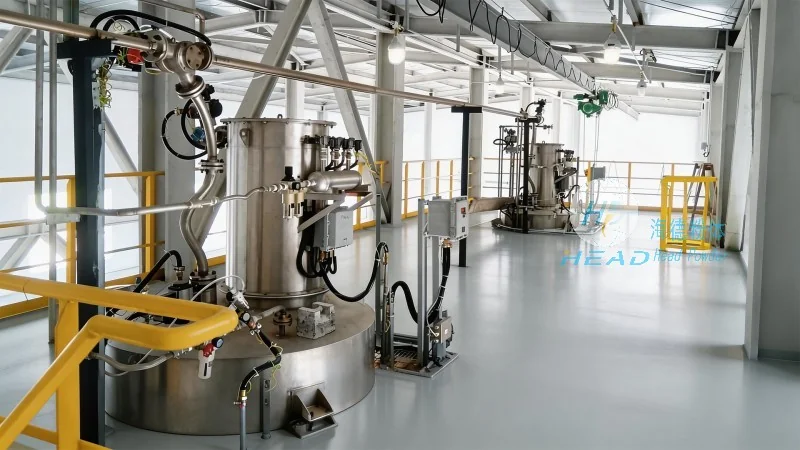
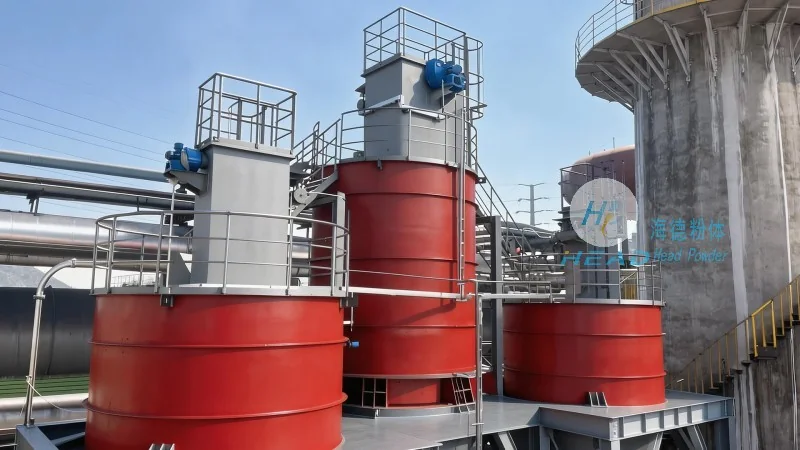
The fundamental principle of unmanned material feeding conveyor systems lies in the integration of automation and intelligent control. These systems utilize sensors, such as cameras and weight scales, to detect and identify incoming materials. Through real-time data processing, the system can automatically adjust the feeding rate and direction, ensuring precise material delivery. Additionally, advanced algorithms optimize the conveyor's operation, minimizing downtime and maximizing throughput. The integration of IoT (Internet of Things) technology allows for remote monitoring and maintenance, further enhancing system reliability.
Working Scene Characteristics and Applications
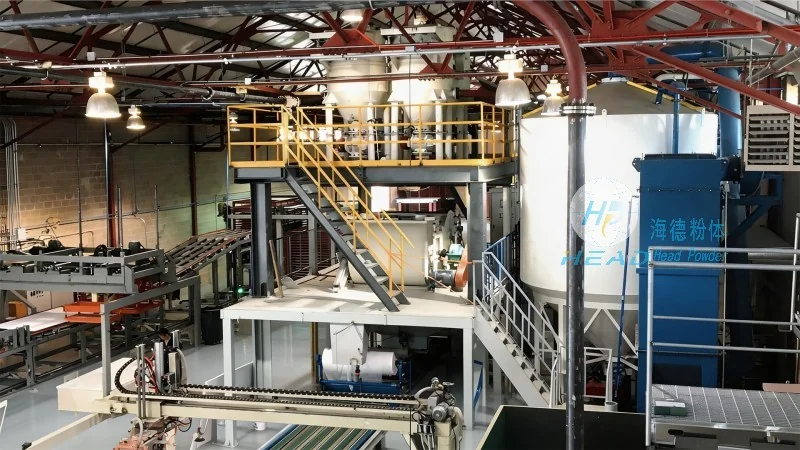
Unmanned material feeding conveyor systems are widely applied in diverse industrial scenarios, including chemical manufacturing, pharmaceutical production, food processing, and logistics centers. In chemical plants, these systems efficiently handle bulk materials like powders and granules, reducing manual handling risks and improving safety standards. In pharmaceutical facilities, the systems ensure sterile and contamination-free material transport, adhering to stringent regulatory requirements. Food processing industries benefit from the hygienic design of these conveyors, which prevent cross-contamination and maintain product quality. Logistics centers utilize the systems for automated inventory management, enabling seamless integration with warehouse management systems (WMS).
Key Advantages in Practical Operations
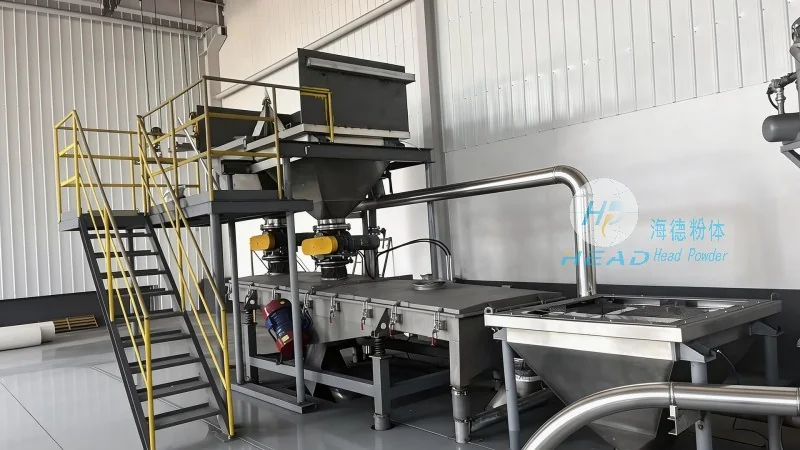
From a practical standpoint, unmanned material feeding conveyor systems offer several distinct advantages. Firstly, they significantly reduce labor costs by automating material handling tasks, which are often repetitive and physically demanding. Secondly, the systems enhance operational safety by eliminating human exposure to hazardous materials or environments. Thirdly, the precision and consistency of automated feeding minimize material waste and improve production quality. Moreover, the flexibility of these systems allows for easy integration with existing production lines, enabling businesses to upgrade their infrastructure without major disruptions. The adaptability of the technology also supports scalability, allowing companies to expand their operations as demand grows.