

Principle and Working Scene Characteristics of Automatic Quantitative Material Feeding and Conveying
Automatic quantitative material feeding and conveying systems represent a critical component in modern industrial production, particularly in sectors requiring precise control over material handling and processing. These systems are designed to ensure consistent and accurate delivery of raw materials or ingredients to production lines, thereby enhancing overall operational efficiency and product quality. The integration of advanced technology, such as sensors, control systems, and automated conveyor mechanisms, enables these systems to operate with high precision and reliability, reducing human error and optimizing workflow.
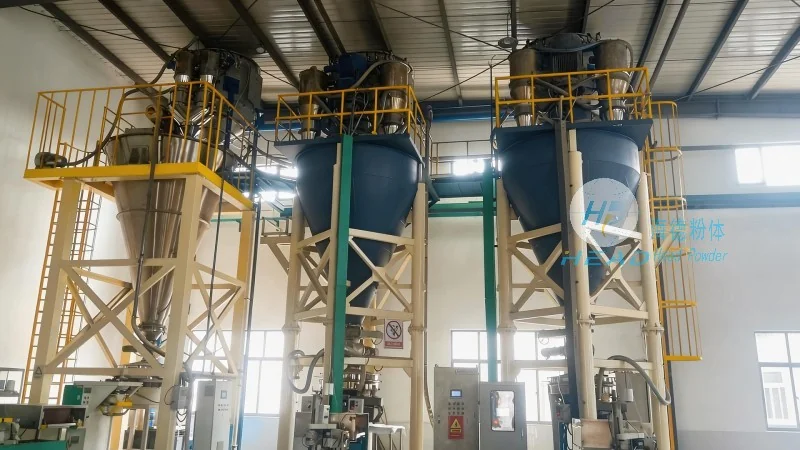
Core Principles of the System
The fundamental principle of an automatic quantitative material feeding system revolves around the precise measurement and controlled delivery of materials. At its core, the system typically comprises several key components: a weighing or sensing unit that detects the weight of material being fed, a control unit (often a programmable logic controller or PLC) that processes the sensor data and adjusts the operation of the feeding mechanism, and a conveyor or delivery system that transports the material to the next stage of production. The control unit continuously monitors the material flow, comparing the actual weight to the target setpoint. If there is a deviation, the control unit modulates the speed of the feeding device—such as a screw feeder, belt feeder, or vibratory feeder—to correct the discrepancy. This closed-loop feedback mechanism ensures that the output material quantity remains within tight tolerances, meeting the required specifications for each production batch.
Advanced systems may also incorporate additional features to enhance performance, including multiple feeding stations for handling different materials simultaneously, integration with other production equipment (e.g., mixers, reactors) for seamless workflow, and data logging capabilities to track feeding history and performance metrics. The use of digital controls and connectivity options allows for remote monitoring and adjustments, further improving operational flexibility and maintenance efficiency.
Key Working Scene Characteristics
The effectiveness and adaptability of automatic quantitative material feeding systems are evident across diverse industrial applications, each with unique requirements and operational characteristics. Understanding these working scene characteristics is essential for selecting the appropriate system for a given production environment.
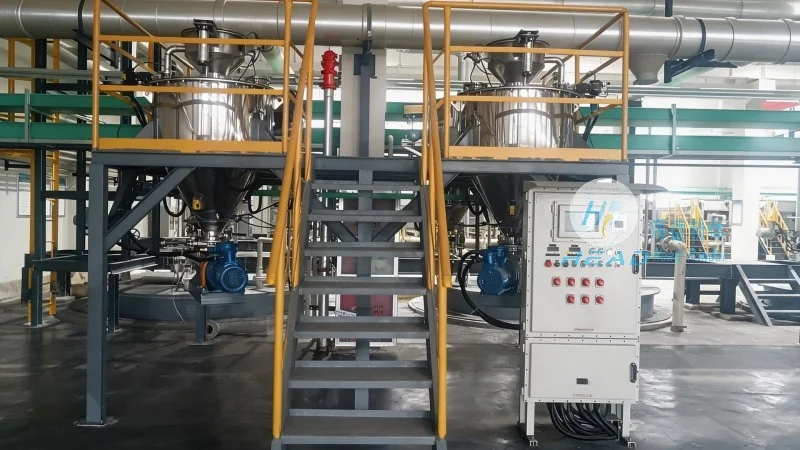
Pharmaceutical Industry
In the pharmaceutical sector, where product purity, consistency, and compliance with stringent regulatory standards (e.g., GMP - Good Manufacturing Practice) are paramount, automatic quantitative feeding systems play a vital role. These systems are used to feed active pharmaceutical ingredients (APIs), excipients, and other raw materials into manufacturing processes with extreme precision. The high accuracy of these systems ensures that each batch of product contains the exact dosage of active ingredients, minimizing variability and reducing the risk of product defects. Additionally, the hygienic design of many modern feeding systems, including stainless steel construction and easy-to-clean components, aligns with the strict sanitary requirements of pharmaceutical production environments.
Food and Beverage Industry
For food and beverage manufacturers, automatic quantitative feeding systems are crucial for maintaining product quality, consistency, and safety. These systems are employed to feed ingredients such as flour, sugar, spices, and vitamins into production lines, ensuring that each product batch meets the required nutritional and flavor specifications. The systems are often designed with food-grade materials and features that prevent contamination, such as sealed feed hoppers and sanitary fittings. Moreover, the ability to handle different types of food materials—ranging from dry powders to granules—makes these systems versatile for various food processing applications, from baking to beverage production.
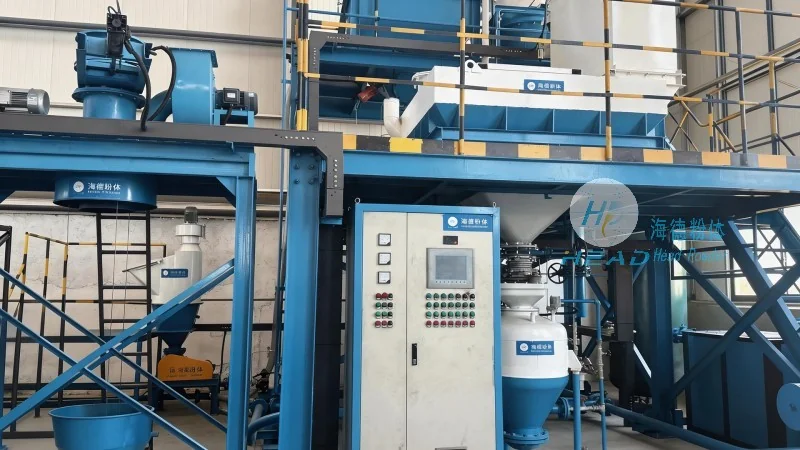
Chemical and Petrochemical Industry
In the chemical and petrochemical industries, where handling hazardous or abrasive materials is common, automatic quantitative feeding systems are engineered to withstand harsh operating conditions. These systems are typically constructed from corrosion-resistant materials, such as stainless steel or specialized alloys, to handle chemicals and other aggressive substances. The design may include features like dust-proof enclosures, explosion-proof components, and robust feeding mechanisms to ensure safe and reliable operation. The systems are used to feed raw materials like powders, granules, or liquids into reactors, mixers, or processing equipment, maintaining consistent material flow and preventing overloading or underfeeding, which could lead to equipment damage or product quality issues.
Manufacturing and Bulk Material Handling
Beyond the traditional sectors, automatic quantitative feeding systems are also utilized in general manufacturing and bulk material handling applications. These systems are employed in industries such as plastics, ceramics, and metal processing to feed raw materials into production lines with high accuracy. The systems are often integrated with automated production lines, enabling seamless material transfer and reducing the need for manual intervention. The ability to handle large volumes of material efficiently while maintaining precision makes these systems valuable for increasing production throughput and reducing labor costs.
Company Overview: Shandong HeadPowder Engineering Co., Ltd.
Shandong HeadPowder Engineering Co., Ltd., commonly known as headpowder, is a leading manufacturer and supplier of industrial material handling solutions, including automatic quantitative feeding and conveying systems. With a strong focus on research and development, the company specializes in designing and manufacturing customized systems tailored to the specific needs of clients across various industries. Headpowder's expertise lies in integrating advanced technology with practical engineering solutions to deliver reliable, efficient, and cost-effective material handling equipment. The company's products are built with high-quality materials and components, ensuring durability and long-term performance. By providing comprehensive support, including installation, commissioning, and after-sales service, headpowder aims to build long-term partnerships with its clients, helping them optimize their production processes and achieve their operational goals.