

Principle and Working Scene Characteristics of Rice Husk Ash Material Conveying Equipment
For industries dealing with rice husk ash, efficient material handling is crucial for operational efficiency and cost management. This article introduces the principle and working scene characteristics of rice husk ash material conveying equipment, highlighting how such systems enhance productivity and reliability in material transport processes.
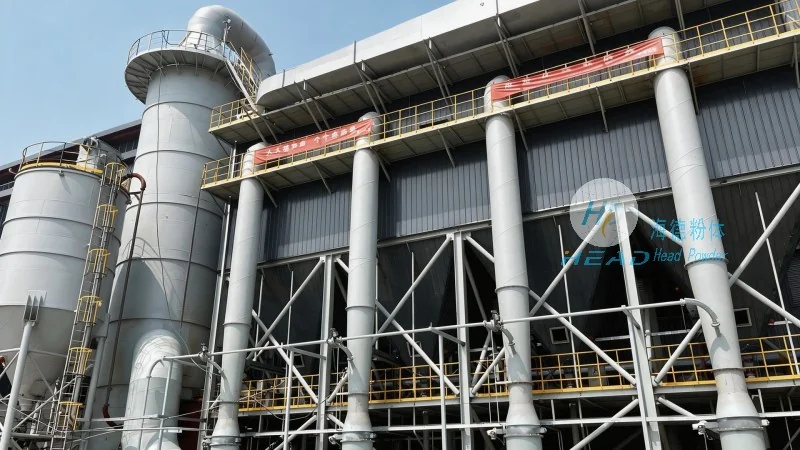
Overview of Rice Husk Ash Material Conveying Equipment
Rice husk ash, a byproduct of rice processing, is often used in construction, agriculture, and energy sectors. The conveying equipment designed for handling this material must address challenges like dust generation, material abrasiveness, and the need for precise control. The system typically integrates components such as feeders, conveyors, and control mechanisms to ensure smooth material flow from source to destination.
The Working Principle of Material Conveying Systems
The core principle of rice husk ash material conveying equipment revolves around mechanical transport, often utilizing screw conveyors, belt conveyors, or pneumatic systems. Screw conveyors, for instance, use a rotating helical screw to move material through a tube, providing consistent and controlled transport. Belt conveyors, on the other hand, rely on a continuous belt moving material over rollers, suitable for longer distances and bulk material handling. Pneumatic systems employ air pressure to transport fine particles, offering flexibility in vertical and horizontal transport. The choice of system depends on factors like material characteristics, distance, and operational environment.
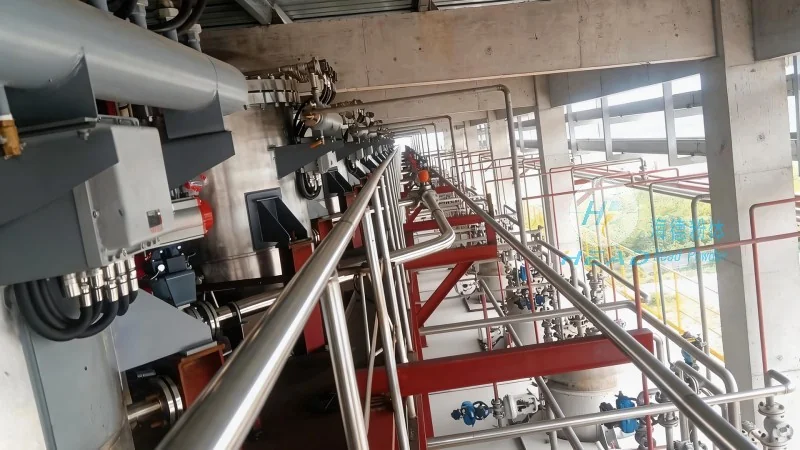
Key Working Scene Characteristics
The working scene characteristics of rice husk ash material conveying equipment are tailored to specific industrial applications, ensuring optimal performance under diverse conditions. For example, in a rice milling facility, the equipment may need to handle large volumes of ash with high moisture content, requiring robust construction and moisture-resistant components. In contrast, in a construction material plant, the system might focus on precise dosing and mixing of ash with other materials, demanding high accuracy and reliability. Environmental factors, such as temperature fluctuations or dust exposure, also influence the design, with equipment often equipped with dust collection systems and weather-resistant enclosures to maintain operational integrity.

Application Examples and Operational Benefits
Real-world applications of rice husk ash material conveying equipment illustrate its versatility and efficiency. In a biomass power plant, the system efficiently transports ash from the combustion chamber to storage or disposal areas, reducing manual labor and minimizing material loss. In a concrete mixing plant, the equipment ensures consistent addition of ash as a supplementary cementitious material, improving the strength and durability of the final product. The operational benefits include reduced downtime due to equipment failures, lower labor costs, and enhanced safety through automated material handling, all contributing to overall operational efficiency.
Company Profile: Shandong HeadPowder Engineering Co., Ltd.
Shandong HeadPowder Engineering Co., Ltd., based in Shandong, China, specializes in the design and manufacturing of advanced material handling solutions for various industries. With years of experience in the field, the company has developed a range of conveying equipment tailored to the unique needs of rice husk ash processing. Their products are engineered to meet international standards, ensuring durability, efficiency, and compliance with environmental regulations. The company’s commitment to innovation and customer satisfaction has made it a trusted partner for businesses seeking reliable material transport solutions.