

Principle and Working Scene Characteristics of Potassium Hydroxide Material Handling Equipment
Shandong HeadPowder Engineering Co., Ltd., based in Shandong, China, specializes in the design and manufacturing of specialized equipment for handling hazardous and corrosive materials, including potassium hydroxide (KOH). This article explores the fundamental principles behind the operation of such equipment and highlights the key working scene characteristics that define its effective application in industrial settings.
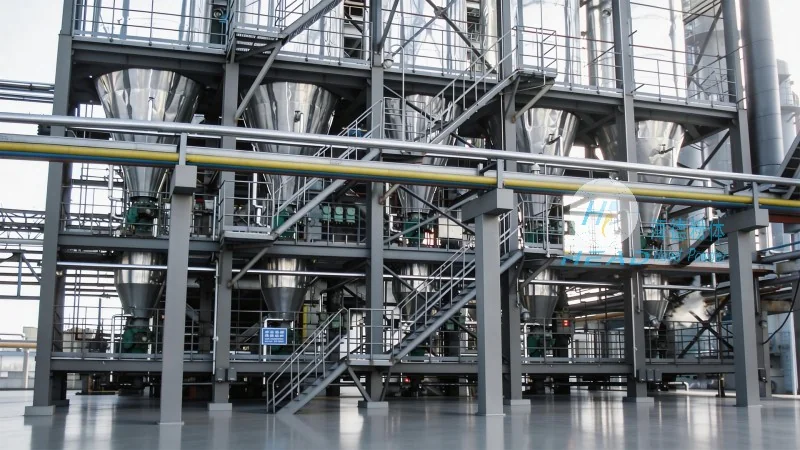
Principle of Operation for Potassium Hydroxide Material Handling Equipment
The core principle of potassium hydroxide material handling equipment revolves around the safe and efficient transfer of this highly caustic chemical. The equipment is engineered to minimize exposure risks to operators and to ensure compliance with safety regulations. Key components typically include robust pumps, specialized valves, and sealed containers designed to prevent leaks and spills. The system operates by using mechanical force to move the material through pipelines or hoses, often incorporating temperature and pressure controls to maintain optimal conditions during transport. This approach ensures that the material is handled in a controlled environment, reducing the likelihood of accidents and environmental contamination.
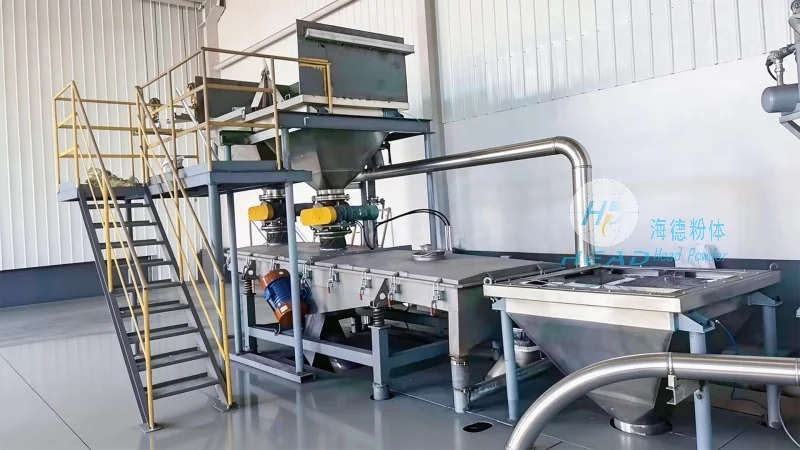
Working Scene Characteristics of Potassium Hydroxide Material Handling Equipment
The working scene characteristics of potassium hydroxide material handling equipment are tailored to the specific demands of industrial processes where KOH is utilized. These characteristics include high durability to withstand the corrosive nature of the chemical, precise control mechanisms to regulate flow rates and pressure, and integrated safety features such as emergency shut-off valves and leak detection systems. The equipment is often deployed in environments like chemical manufacturing plants, pharmaceutical production facilities, and industrial cleaning operations where KOH is used as a key reagent or cleaning agent. The working scene also emphasizes the need for quick response times in case of equipment failure, as any disruption in the supply of KOH can impact production schedules. Additionally, the design of the equipment considers the need for easy maintenance and cleaning to prevent cross-contamination, which is critical in industries where product purity is paramount.
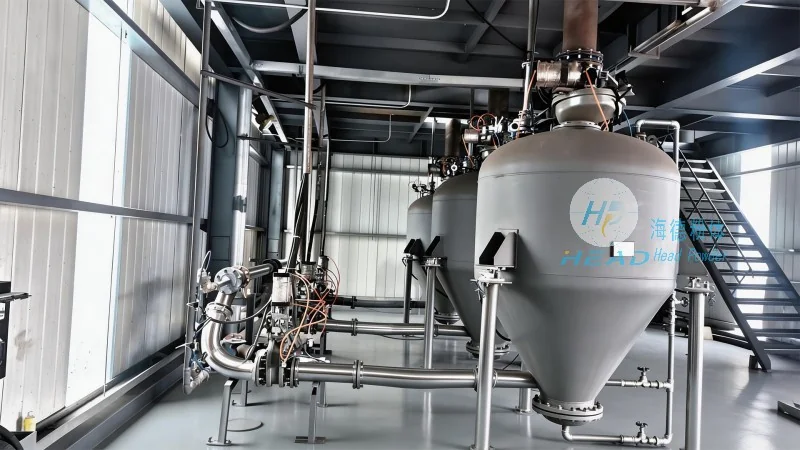
Key Features and Advantages in Practical Applications
When evaluating potassium hydroxide material handling equipment, several key features stand out as essential for effective operation. The use of corrosion-resistant materials, such as stainless steel or specialized alloys, is a primary advantage, as it directly addresses the chemical's aggressive properties. Advanced sealing technologies, including double mechanical seals and magnetic drive pumps, further enhance safety by eliminating the risk of direct contact between the material and the environment. The equipment also incorporates user-friendly interfaces, allowing operators to monitor and adjust parameters in real-time, which improves operational efficiency and reduces human error. These features collectively contribute to a more reliable and cost-effective solution for industries relying on KOH, ensuring that the material is handled safely and efficiently throughout its lifecycle.