

Principle and Working Scene Characteristics of Tonne Bag Breakage Material Conveying Lines
HeadPowder, a leading provider of industrial material handling solutions, specializes in designing and manufacturing efficient systems for handling bulk materials. The tonne bag breakage material conveying line is a critical component in many industrial processes, particularly in sectors that deal with large quantities of bulk materials such as chemicals, food products, and construction materials. This system is engineered to efficiently break down tonne bags, transfer the contained material, and integrate seamlessly with existing production lines. By understanding the principle and working scene characteristics of this equipment, businesses can optimize their material handling operations, reduce downtime, and enhance overall productivity.
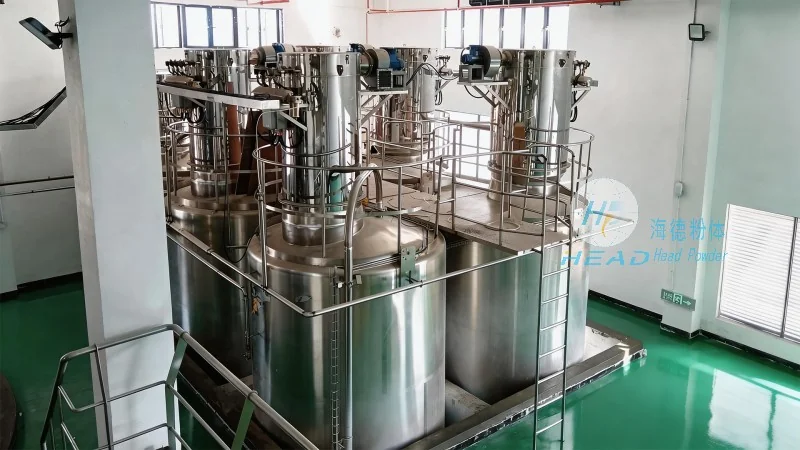
Principle of Tonne Bag Breakage Material Conveying Lines
The core principle of a tonne bag breakage material conveying line involves a multi-stage process that ensures the safe and efficient handling of bulk materials from the moment a tonne bag is introduced into the system until the material is fully transferred to the next stage of processing. The system typically starts with a feeding mechanism that positions the tonne bag on a breakage platform. This platform is equipped with specialized tools or machinery, such as hydraulic or mechanical breakers, that gently yet effectively break the bag open without damaging the material inside. Once the bag is broken, the material is released and falls into a hopper or a conveyor system that transports it to the next processing unit. The conveying line may include components like vibrating screens, magnetic separators, or air classifiers to further process the material as needed. The entire process is designed to be automated, minimizing manual intervention and reducing the risk of material loss or contamination.
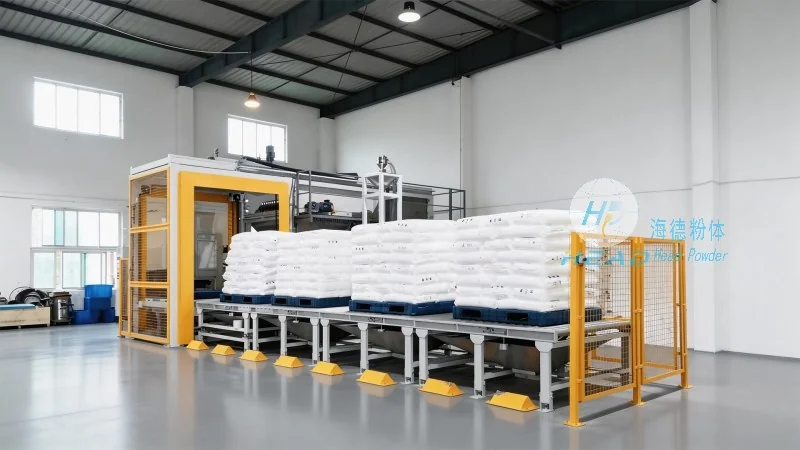
Working Scene Characteristics of Tonne Bag Breakage Material Conveying Lines
The working scene characteristics of tonne bag breakage material conveying lines vary depending on the industry and the specific application. In chemical manufacturing, for example, these systems are used to handle raw materials like powders and granules, which require precise control to prevent dust generation and ensure product quality. The conveying line in this scenario is often equipped with dust collection systems and enclosed conveyor sections to maintain a clean and safe working environment. In the food industry, the focus is on hygiene and sanitation, with the system designed to be easy to clean and maintain, and often incorporating stainless steel components to meet regulatory standards. Construction material processing, on the other hand, may involve handling larger volumes of bulk materials like sand, gravel, or cement, where the conveying line is built to withstand heavy loads and harsh operating conditions. The working scene characteristics also include considerations such as space constraints, where compact designs are necessary, and integration with existing infrastructure, ensuring that the system can be installed without major modifications to the production facility.
Benefits and Applications of Tonne Bag Breakage Material Conveying Lines
The implementation of tonne bag breakage material conveying lines offers numerous benefits to industrial operations. One of the primary advantages is the significant reduction in labor costs, as the system automates the bag opening and material transfer processes, eliminating the need for manual handling. This not only improves efficiency but also enhances workplace safety by reducing the risk of injuries from heavy lifting and material handling. Another key benefit is the improvement in material handling accuracy and consistency, which leads to better product quality and reduced waste. The system also helps in optimizing production throughput by minimizing downtime caused by manual operations and by ensuring a continuous flow of materials. In terms of applications, these systems are widely used in various industries, including chemical manufacturing, food processing, pharmaceuticals, and construction material production. Each industry tailors the system to meet its specific requirements, such as handling different material types, processing capacities, and environmental standards.
Conclusion
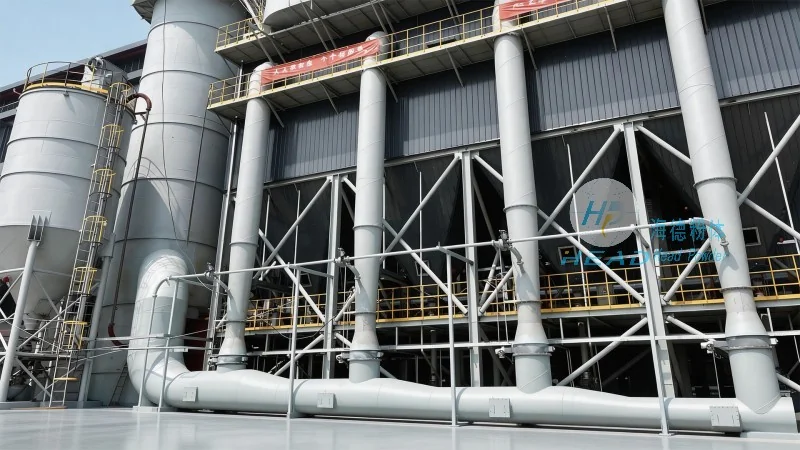
HeadPowder's tonne bag breakage material conveying lines represent a sophisticated solution for efficient bulk material handling. By understanding the principle and working scene characteristics of these systems, businesses can make informed decisions about integrating them into their operations. The combination of advanced engineering, robust design, and tailored solutions ensures that these systems meet the diverse needs of modern industrial applications, contributing to enhanced productivity, safety, and operational efficiency. As industries continue to evolve, the importance of reliable and efficient material handling systems like the tonne bag breakage material conveying line will only grow, making it a critical investment for businesses looking to optimize their production processes.