

Principle and Working Scene Characteristics of Slag Material Conveying Lines
Slag material conveying lines are essential systems in industrial operations, particularly in sectors like steelmaking, cement production, and construction waste management. These lines are designed to transport slag—a byproduct of high-temperature processes—efficiently from production sites to disposal or recycling facilities. The effectiveness of such systems directly impacts operational efficiency, safety, and environmental compliance.
Principle of Slag Material Conveying Lines
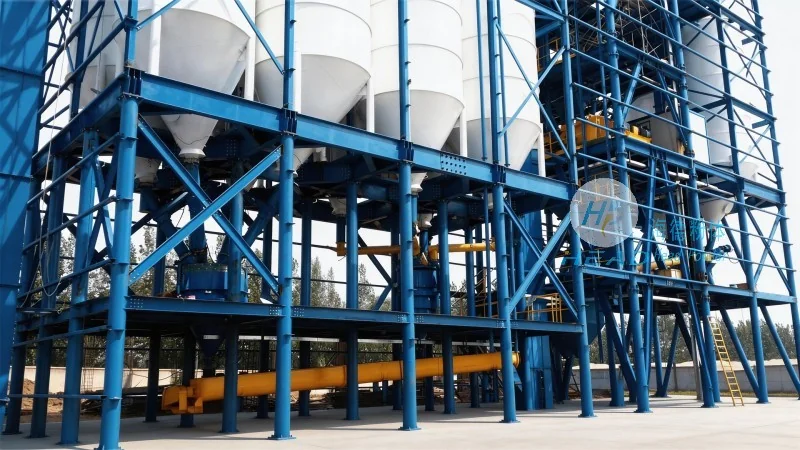
The core principle of slag material conveying lines revolves around mechanical transport mechanisms that can handle the abrasive and often hot nature of slag. Common technologies include belt conveyors, bucket elevators, and screw conveyors, each tailored to specific material characteristics and operational requirements. Belt conveyors, for instance, are widely used due to their high capacity and ability to transport materials over long distances with minimal maintenance. They consist of a continuous loop of belt supported by rollers, with a drive system at one end to move the belt and a tail pulley at the other to maintain tension. The design incorporates idlers, pulleys, and a tensioning mechanism to ensure smooth operation and prevent belt slippage or breakage.
Bucket elevators are another critical component, especially for vertical or high-rise transport. They use a series of buckets attached to a chain or belt that moves vertically, lifting slag from lower to upper levels. This method is ideal for applications where vertical space is limited or where the material needs to be elevated to a significant height. The elevator's housing, drive motor, and bucket design are all optimized to withstand the abrasive properties of slag, ensuring durability and reliable performance.
Screw conveyors, or auger conveyors, are used for horizontal or slight incline transport. They consist of a rotating screw inside a trough, which pushes material forward. This type of conveyor is particularly effective for handling fine or granular slag, as the screw's rotation creates a consistent flow without the need for additional components like idlers. However, screw conveyors may have limitations in terms of capacity and material size, making them suitable for specific applications where other systems are less practical.
Working Scene Characteristics of Slag Material Conveying Lines
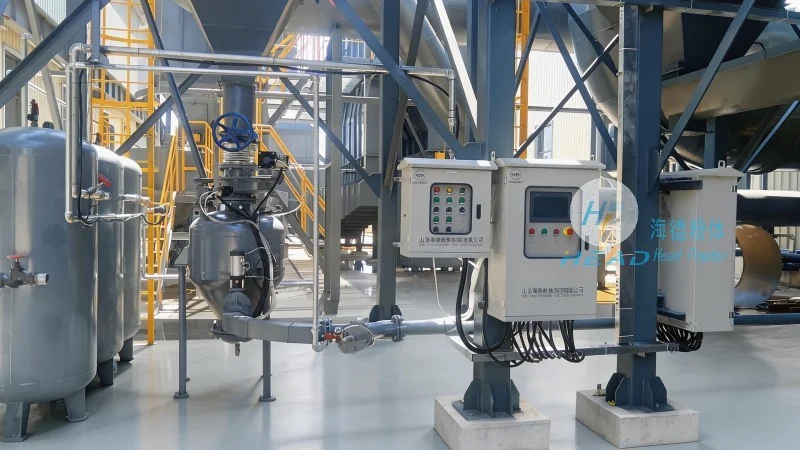
The working scene characteristics of slag material conveying lines vary significantly based on the industrial environment and the specific requirements of the application. In steel mills, for example, slag is generated during the smelting process and must be transported to storage or disposal areas. The conveying line in this scenario often operates under high temperatures and heavy loads, requiring robust materials and components that can withstand thermal stress and mechanical wear. The system may include multiple stages, such as a primary conveyor to move slag from the furnace to a storage hopper, followed by a secondary conveyor to transport it to a landfill or recycling facility.
In cement plants, slag is used as a raw material or as a supplementary cementitious material (SCM) in concrete production. The conveying line here must be capable of transporting both fresh and processed slag, often in combination with other materials like limestone or clay. The system may incorporate blending mechanisms to ensure consistent material composition, and the conveyor design may include features like adjustable speed controls to regulate the flow rate and prevent material buildup. The working environment in cement plants is typically dusty and requires dust control measures, which the conveying line must integrate to maintain air quality and comply with environmental regulations.
In construction and demolition waste management, slag material conveying lines are used to transport recycled concrete or other construction debris. The primary challenge in this scenario is the variability of the material, which may include large chunks, rebar, and other contaminants. The conveying system must be equipped with features like impact-resistant components and adjustable speed controls to handle the diverse material types. Additionally, the line may include screening or sorting equipment to separate reusable materials from waste, enhancing the efficiency of the recycling process. The working scene in this industry often involves outdoor operations, requiring weather-resistant components and protective enclosures to ensure continuous operation under various conditions.
Key Features and Advantages of Slag Material Conveying Lines by HeadPowder
Shandong HeadPowder Engineering Co., Ltd., a leading manufacturer in the field, specializes in designing and manufacturing customized slag material conveying lines tailored to the unique needs of each client. The company's expertise lies in integrating advanced engineering principles with robust materials to create systems that are both efficient and durable. HeadPowder's conveying lines are designed to handle the most challenging slag characteristics, including high temperatures, abrasive particles, and varying moisture levels, ensuring reliable performance in demanding industrial environments.
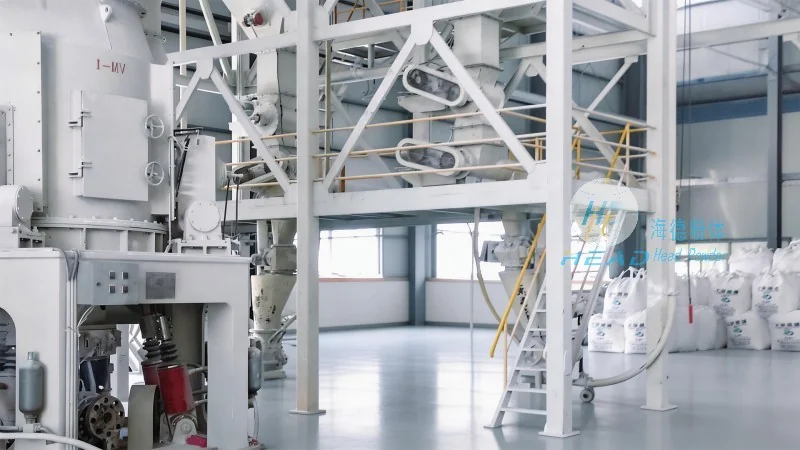
One of the key advantages of HeadPowder's systems is their modular design, which allows for easy installation, maintenance, and expansion. This flexibility is particularly beneficial for industries where operational requirements may change over time, such as steel mills expanding their production capacity or cement plants upgrading their recycling processes. The company also emphasizes energy efficiency, incorporating features like variable frequency drives (VFDs) to optimize motor speed and reduce energy consumption. This not only lowers operational costs but also aligns with sustainability goals, making the conveying lines environmentally friendly.
HeadPowder's commitment to quality is evident in their use of high-grade materials, such as stainless steel and heat-resistant alloys, for components exposed to harsh conditions. The company also employs rigorous testing protocols to ensure that each conveying line meets or exceeds industry standards for performance, safety, and durability. This focus on quality has made HeadPowder a trusted partner for many industrial clients, who rely on the company's expertise to deliver solutions that enhance their operational efficiency and reduce downtime.
Conclusion: The Importance of Efficient Slag Material Conveying Lines
In conclusion, slag material conveying lines are critical components of modern industrial operations, enabling the efficient and safe transport of slag from production sites to disposal or recycling facilities. The principles and working scene characteristics of these systems are tailored to the specific demands of each industry, requiring careful consideration of material properties, operational requirements, and environmental regulations. By leveraging advanced technology and robust engineering, manufacturers like Shandong HeadPowder Engineering Co., Ltd. are able to provide customized solutions that meet the unique needs of their clients, ensuring optimal performance and long-term reliability.