

Principles and Working Scene Characteristics of Pneumatic Conveying for Biomass Ash Powder
HeadPowder, a leading provider in the field of powder handling technology, specializes in the development and application of pneumatic conveying systems tailored for biomass ash powder. Based in Shandong, China, the company has established itself as a trusted partner for industries seeking efficient and reliable solutions for transporting fine powders. This article explores the fundamental principles behind pneumatic conveying of biomass ash powder and highlights the key characteristics of its working scenes, offering insights into how such systems optimize material handling processes.
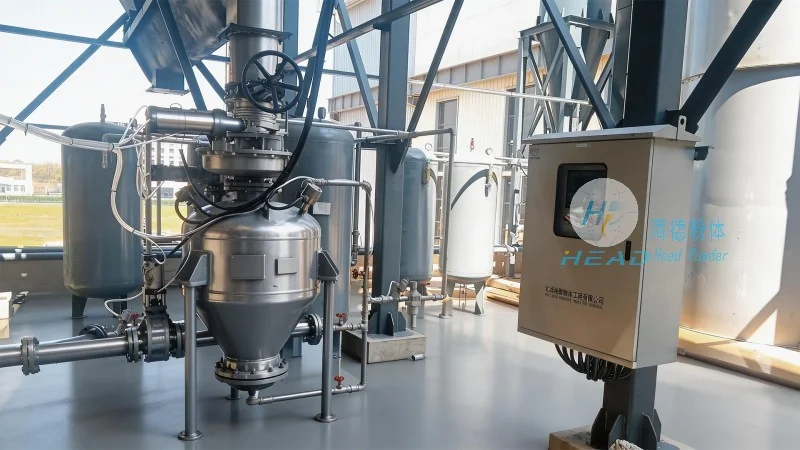
Pneumatic Conveying Principles for Biomass Ash Powder
The core principle of pneumatic conveying involves transporting solid particles, such as biomass ash, using a gas stream, typically air or a combination of air and other gases. This method relies on the interaction between the solid particles and the gas flow, creating a two-phase flow system where the particles are suspended and carried through the conveying line. The process can be categorized into two main types: dilute phase and dense phase conveying, each with distinct characteristics and applications. Dilute phase conveying uses high velocities to keep particles suspended, suitable for long-distance or high-capacity transport, while dense phase conveying employs lower velocities and higher gas pressures to move particles in a more compact state, reducing the risk of particle degradation and equipment wear. For biomass ash, which often contains fine particles and varying moisture content, the choice of conveying type depends on the specific material properties and the required transport efficiency.
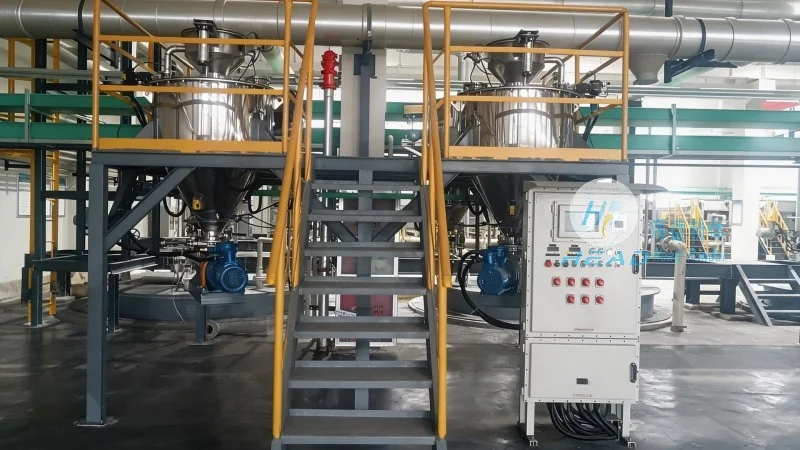
Working Scene Characteristics of Pneumatic Conveying Systems
The working scenes of pneumatic conveying systems for biomass ash powder are diverse and tailored to meet the unique demands of different industrial applications. These systems are commonly employed in scenarios where traditional mechanical conveying methods are impractical or inefficient. For instance, in biomass power plants or agricultural waste processing facilities, pneumatic conveyors are used to transport ash from combustion chambers to storage silos or treatment units. The flexibility of these systems allows for horizontal, vertical, or combined horizontal-vertical transport, adapting to the layout of the facility and the spatial constraints of the site. In addition, the ability to handle abrasive and potentially corrosive biomass ash particles is a critical factor, as the conveying equipment must be designed to withstand the wear and tear caused by these materials. The working scenes also include integration with other processing equipment, such as grinding mills or classifiers, where the ash is further processed before or after transport. This integration ensures a seamless flow of materials through the entire production line, enhancing overall operational efficiency.
Advantages and Considerations in Biomass Ash Pneumatic Conveying
Implementing pneumatic conveying for biomass ash offers several advantages that make it a preferred choice over other transport methods. One of the key benefits is the ability to handle fine and dusty materials without the need for additional equipment like hoppers or chutes, which can cause blockages or material loss. The enclosed system also minimizes dust emissions, contributing to better environmental compliance and workplace safety. Furthermore, pneumatic conveyors can be designed to operate at high speeds, reducing the overall time required for material transport and increasing the throughput capacity of the system. However, there are also considerations to keep in mind when deploying such systems. The initial investment and energy consumption are typically higher compared to mechanical conveying, and the system requires regular maintenance to ensure optimal performance. Additionally, the selection of the appropriate gas velocity and pressure is crucial to prevent particle segregation or equipment damage, which can impact the long-term reliability of the system.
Conclusion
HeadPowder Engineering Co., Ltd., with its headquarters in Shandong, China, continues to innovate in the field of pneumatic conveying technology, providing customized solutions for the efficient handling of biomass ash powder. By understanding the fundamental principles of pneumatic conveying and the specific characteristics of working scenes, industries can optimize their material transport processes, reduce operational costs, and enhance overall productivity. The integration of advanced materials and control systems in modern pneumatic conveying systems further enhances their performance, making them a viable and sustainable choice for the future of biomass ash management.