

Principles and Working Scene Characteristics of Phosphate Calcium Powder Pneumatic Conveying
Phosphate calcium powder is a critical material in various industrial applications, and its efficient handling is essential for maintaining production efficiency and safety. Pneumatic conveying, a method that uses air or gas to transport bulk materials like powders, offers a versatile solution for moving phosphate calcium powder from one location to another. This article explores the fundamental principles of phosphate calcium powder pneumatic conveying and highlights the key characteristics of its working scenes, providing insights into how this technology is applied in real-world industrial settings.
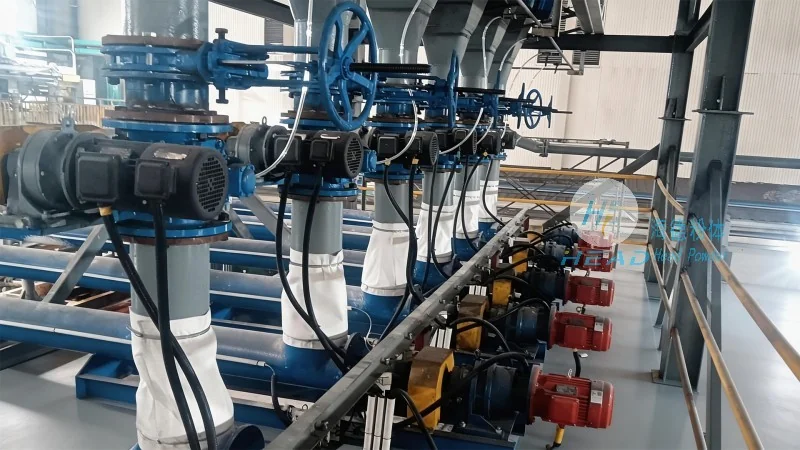
Company Introduction: HeadPowder
HeadPowder, formally known as Shandong HeadPowder Engineering Co., Ltd., is a leading provider of engineering solutions for powder handling and material transport. With its headquarters in Shandong, China, the company specializes in designing and implementing advanced pneumatic conveying systems tailored to the unique needs of industrial clients. HeadPowder's expertise lies in optimizing material flow, ensuring minimal product degradation, and enhancing overall operational efficiency for businesses dealing with phosphate calcium and other fine powders.
The Principle of Pneumatic Conveying for Phosphate Calcium Powder
Pneumatic conveying operates on the principle of using air or gas to create a flow that transports particulate materials through a pipeline. In the case of phosphate calcium powder, which is typically a fine, dry powder, the conveying process involves generating sufficient air velocity to overcome the gravitational and frictional forces acting on the particles. This is achieved through either pressure or vacuum systems. Pressure systems use compressed air to push the powder through the pipeline, while vacuum systems create a negative pressure to draw the material from the source. The choice between these systems depends on factors such as the distance of transport, the volume of material, and the characteristics of the powder, including its density, moisture content, and particle size distribution.
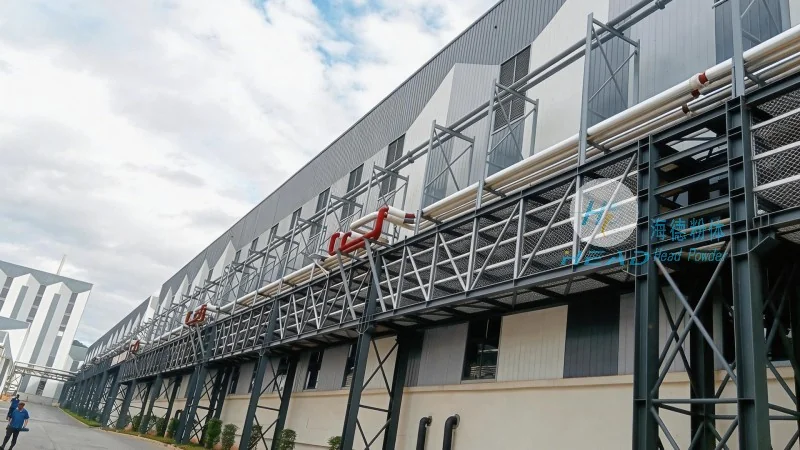
Key Characteristics of Working Scenes for Phosphate Calcium Powder Pneumatic Conveying
The working scenes where phosphate calcium powder pneumatic conveying is applied vary widely, each presenting unique challenges and requirements. In industrial manufacturing, for example, these systems are commonly used to transport phosphate calcium from storage silos to processing equipment, ensuring a continuous and controlled feed for production lines. The working scene may involve multiple stages, such as initial storage, intermediate conveying, and final delivery to reactors or mixers. In such cases, the system must be designed to handle varying flow rates and maintain consistent material quality to avoid process interruptions.
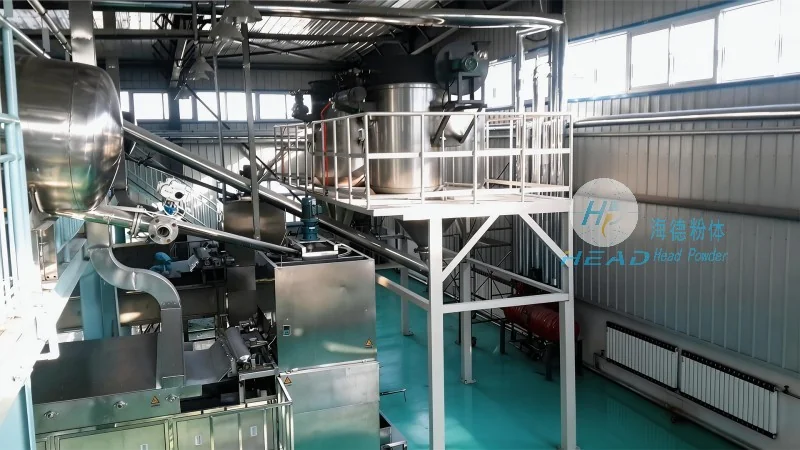
In the context of material handling and logistics, pneumatic conveying is also employed in warehouse environments to move phosphate calcium powder between storage areas and packaging or shipping stations. This application requires efficient, low-maintenance systems that can handle high volumes of material while minimizing the risk of dust accumulation or product contamination. The working scene may involve automated conveying lines integrated with other warehouse management systems to streamline operations and improve overall productivity.
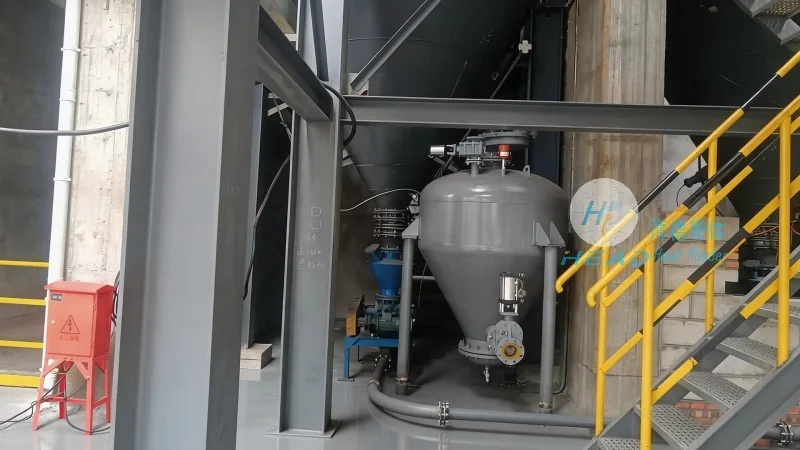
Technical Advantages and Considerations
Phosphate calcium powder pneumatic conveying offers several technical advantages over traditional methods like belt conveyors or bucket elevators. One of the primary benefits is the ability to transport materials in a closed system, which helps prevent dust emissions and maintain a clean working environment. This is particularly important for phosphate calcium powder, which can be a respiratory irritant if inhaled. Additionally, pneumatic conveying systems can handle materials with a wide range of particle sizes and shapes, making them suitable for diverse industrial applications. However, the design of such systems must consider the specific properties of phosphate calcium powder, including its tendency to agglomerate or clog pipelines, which may require specialized equipment like rotary valves or airlocks to ensure smooth operation.
Conclusion
Phosphate calcium powder pneumatic conveying is a sophisticated and effective method for handling fine powders in industrial settings. By understanding the fundamental principles of pneumatic transport and the characteristics of different working scenes, companies can optimize their material handling processes, improve efficiency, and enhance safety. As a leading provider in the field, HeadPowder continues to innovate and deliver tailored solutions that meet the evolving needs of industries relying on phosphate calcium powder. With its expertise and commitment to quality, HeadPowder remains a trusted partner for businesses seeking reliable and efficient pneumatic conveying systems.