

Principle and Working Scene Characteristics of Pneumatic Conveying for Trinary Positive Electrode Ma
Trinary positive electrode materials are a critical component in modern lithium-ion batteries, playing a pivotal role in determining the performance and efficiency of electric vehicles and energy storage systems. The efficient handling and transportation of these fine powders are essential for maintaining product quality and operational productivity. Pneumatic conveying has emerged as a highly effective method for transporting trinary positive electrode material powders, offering advantages such as dust-free operation, low maintenance, and the ability to handle sensitive materials without degradation. This article explores the fundamental principles of pneumatic conveying for trinary positive electrode material powders and highlights the key characteristics of its working scenes, with a focus on the solutions provided by Shandong HeadPowder Engineering Co., Ltd., a leading provider in the field.
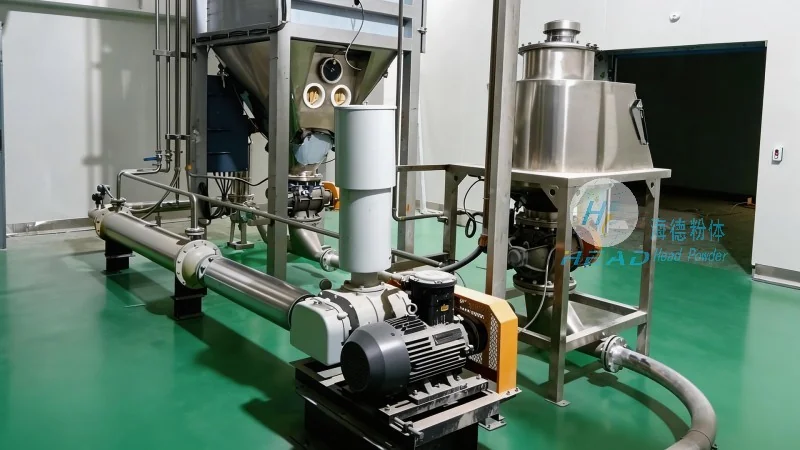
The Principle of Pneumatic Conveying for Trinary Positive Electrode Material Powders
Pneumatic conveying works by transporting solid particles through a pipeline using a gas stream, typically air or a mixture of air and other gases. The process can be categorized into two main types: positive pressure (or pressure) conveying and negative pressure (or vacuum) conveying. Positive pressure conveying involves blowing air or gas into the pipeline at a pressure higher than the ambient air pressure, while negative pressure conveying uses a vacuum to draw material into the pipeline. For trinary positive electrode material powders, which are often fine and abrasive, the choice of conveying method depends on factors such as material properties, particle size, and the required conveying distance.
In positive pressure conveying, a blower or compressor generates the necessary pressure to push the material through the pipeline. The material is fed into the conveying line using a hopper or feeder, and the gas flow carries the particles along the pipeline. This method is suitable for short to medium conveying distances and is commonly used in industrial settings where high material flow rates are required. Negative pressure conveying, on the other hand, uses a vacuum pump to create a low-pressure environment, drawing the material from the source into the pipeline. This approach is ideal for applications where the material needs to be transported over longer distances or where dust containment is a priority. The selection of the appropriate conveying method ensures optimal performance and minimizes material degradation, which is crucial for maintaining the quality of trinary positive electrode materials.
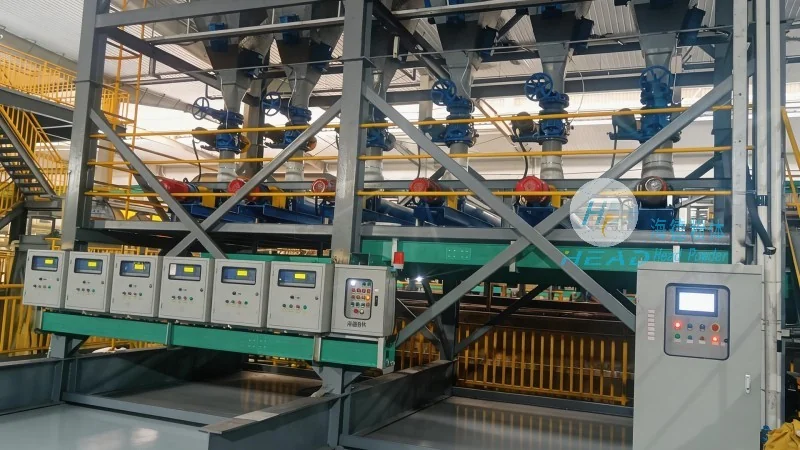
Key Working Scene Characteristics of Pneumatic Conveying Systems
The working scene characteristics of pneumatic conveying systems for trinary positive electrode material powders vary based on the specific industrial application and operational requirements. These characteristics include factors such as material handling capacity, conveying distance, system complexity, and environmental considerations. In manufacturing facilities, for instance, the system may need to handle large volumes of material at high speeds to support continuous production lines. The design of the conveying system must account for the particle size distribution and flow properties of the trinary positive electrode material, ensuring that the particles are transported without agglomeration or segregation. This is particularly important for materials that are prone to sticking or clumping, as these issues can lead to blockages and reduced system efficiency.
Another critical aspect of the working scene is the need for dust control and environmental safety. Trinary positive electrode materials are often fine powders that can generate significant dust during handling, which poses health and safety risks. Pneumatic conveying systems are designed with sealed components and filtration systems to minimize dust emissions and maintain a clean working environment. This is essential for compliance with occupational health and safety regulations and for protecting the quality of the material from contamination. The working scene also includes considerations for energy efficiency and operational costs. Advanced pneumatic conveying systems are engineered to optimize air usage and reduce energy consumption, making them a cost-effective solution for long-term material handling needs.
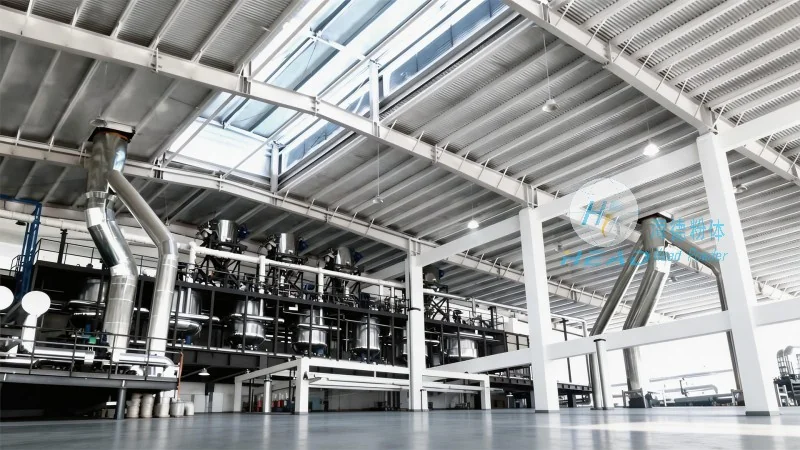
Furthermore, the working scene may involve integration with other processing equipment, such as mixing, drying, or packaging systems. The pneumatic conveying system must be compatible with these processes, ensuring smooth material transfer and maintaining product integrity. For example, in battery cell manufacturing, the trinary positive electrode material may need to be conveyed from a storage silo to a mixing machine, where it is combined with other components. The conveying system must be able to handle the material at the required flow rate and pressure to support the downstream processing steps. This integration requires careful system design and commissioning to ensure seamless operation and minimal downtime.
HeadPowder's Solutions for Pneumatic Conveying of Trinary Positive Electrode Material Powders
Shandong HeadPowder Engineering Co., Ltd. specializes in the design, manufacturing, and installation of advanced pneumatic conveying systems tailored to the unique needs of trinary positive electrode material powders. With years of experience in the battery materials industry, HeadPowder understands the critical requirements for handling these sensitive materials and has developed innovative solutions to address common challenges. The company's systems are engineered to provide high efficiency, reliability, and safety, ensuring that trinary positive electrode material powders are transported with minimal risk of degradation or contamination.
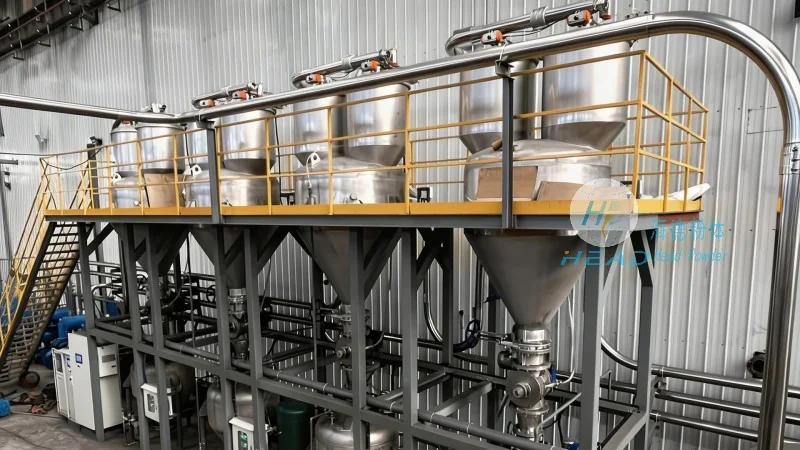
HeadPowder's pneumatic conveying solutions include a range of components, such as high-quality blowers, efficient hoppers, and specialized conveying lines designed to handle fine powders. The company uses advanced materials and manufacturing techniques to ensure that its equipment can withstand the abrasive nature of trinary positive electrode materials, reducing maintenance costs and extending the system's lifespan. Additionally, HeadPowder offers customized system designs to meet the specific requirements of each client, including different conveying methods, material flow rates, and environmental conditions.
The company's commitment to quality and customer satisfaction is reflected in its comprehensive after-sales service and technical support. HeadPowder provides ongoing maintenance, troubleshooting, and system optimization services to ensure that its pneumatic conveying systems operate at peak performance. This support helps clients maximize the return on their investment and maintain the quality of their trinary positive electrode materials over the long term.
By leveraging HeadPowder's expertise and advanced technology, manufacturers of trinary positive electrode materials can enhance their operational efficiency, improve product quality, and reduce costs. The company's solutions are designed to meet the evolving demands of the battery industry, providing reliable and sustainable material handling solutions for the future.