

Principle and Working Scene Characteristics of Monocrystalline Silicon Powder Pneumatic Conveying Eq
HeadPowder, a leading provider in the field of material handling solutions, specializes in the design, manufacturing, and implementation of advanced pneumatic conveying systems tailored for monocrystalline silicon powder. This article delves into the fundamental principles behind such equipment and highlights the key characteristics of its operational environments, providing a comprehensive overview for industry professionals and potential clients.
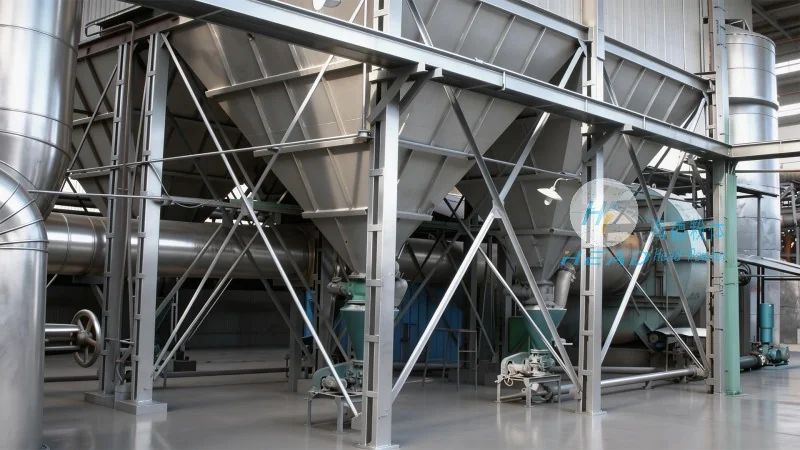
Introduction to Monocrystalline Silicon Powder Pneumatic Conveying Systems
Monocrystalline silicon powder is a critical raw material in the semiconductor and solar energy industries, demanding precise and efficient handling to maintain product quality and operational efficiency. Pneumatic conveying equipment offers a non-contact, dust-free, and highly flexible method for transporting these fine powders, making it an indispensable solution for modern production lines. The systems are engineered to handle the unique properties of monocrystalline silicon, including its fine particle size, low bulk density, and sensitivity to moisture and contamination.
The Core Principle of Pneumatic Conveying
The fundamental principle of pneumatic conveying for monocrystalline silicon powder involves the use of compressed air or gas to transport the material through a pipeline. This process can be categorized into two main types: dilute-phase and dense-phase conveying. Dilute-phase systems rely on high-velocity air to suspend the powder particles, allowing for long-distance transport with minimal pressure drop. Dense-phase systems, on the other hand, use lower air velocities and higher pressure to move the material in a more compact form, reducing the risk of particle degradation and ensuring a more controlled flow.
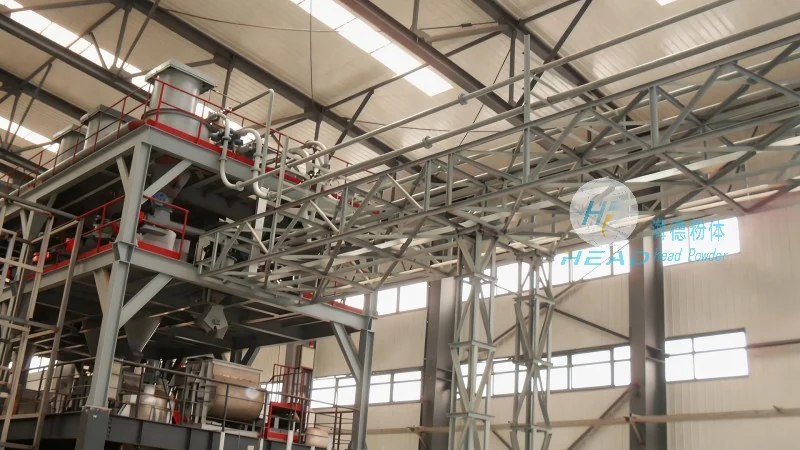
Key Components and Their Functions
Monocrystalline silicon powder pneumatic conveying systems typically consist of several critical components, each playing a vital role in the overall operation. These include the material feed hopper, which stores and meters the powder; the air compressor or blower, which generates the necessary pressure and airflow; the conveying pipeline, which transports the material from the source to the destination; the control valves and regulators, which manage the air flow and pressure; and the dust collection and filtration system, which ensures environmental compliance and product purity.
Working Scene Characteristics and Applications
The operational environments for monocrystalline silicon powder pneumatic conveying equipment are characterized by high precision, cleanliness, and reliability. These systems are commonly employed in semiconductor manufacturing facilities, solar panel production lines, and research laboratories where the integrity of the silicon powder is paramount. The equipment is designed to operate in controlled environments, often with integrated dust suppression and filtration to prevent contamination and ensure a safe working atmosphere.
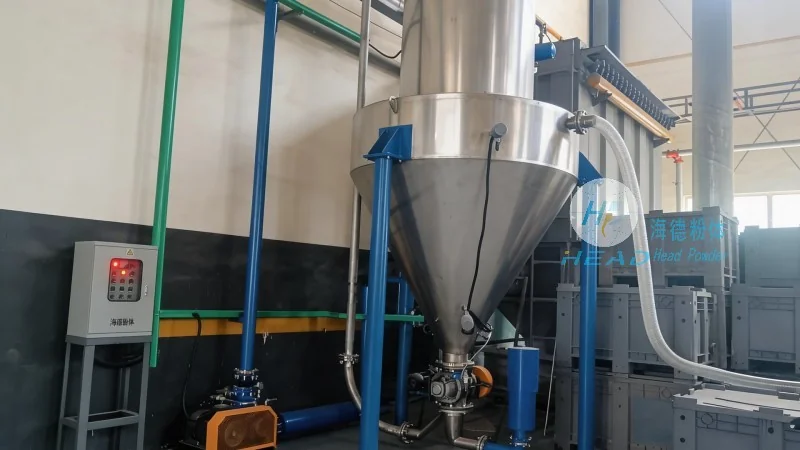
Advantages of Using Pneumatic Conveying for Monocrystalline Silicon
Implementing pneumatic conveying systems for monocrystalline silicon powder offers numerous advantages over traditional mechanical conveying methods. These include reduced product degradation due to minimal contact with equipment surfaces, improved safety through non-contact handling, and enhanced flexibility in system layout and integration. Additionally, pneumatic conveying systems can be easily scaled to accommodate varying production volumes, making them suitable for both small-scale research applications and large-scale industrial production.
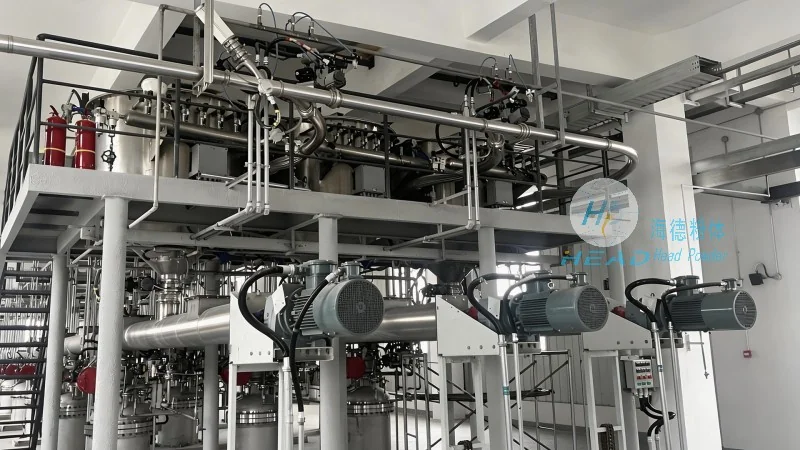
Operational Considerations and Best Practices
When operating monocrystalline silicon powder pneumatic conveying equipment, several factors must be considered to ensure optimal performance and longevity. Proper maintenance of the air compressor and filtration system is crucial to prevent dust accumulation and maintain air quality. Regular cleaning of the conveying pipeline and material feed hopper is also essential to avoid clogging and maintain consistent flow rates. Additionally, monitoring the system's pressure and airflow parameters helps in identifying potential issues early and preventing downtime.
Conclusion
Monocrystalline silicon powder pneumatic conveying equipment, as provided by Shandong HeadPowder Engineering Co., Ltd., represents a sophisticated solution for the efficient and reliable handling of this critical material. By understanding the core principles and operational characteristics of these systems, industries can enhance their production processes, maintain product quality, and ensure compliance with environmental and safety standards. With its headquarters in Shandong, China, HeadPowder continues to innovate and deliver tailored material handling solutions to meet the evolving needs of the semiconductor and solar energy sectors.