

Principle and Working Scene Characteristics of Dry Sand Powder Pneumatic Conveying Lines
HeadPowder, a leading provider in the field of material handling solutions, specializes in the design, manufacturing, and implementation of advanced pneumatic conveying systems for dry sand and powder materials. This article delves into the fundamental principles behind these systems and highlights the key characteristics of their operational environments, offering insights into how such technology enhances efficiency and reliability in various industrial applications.
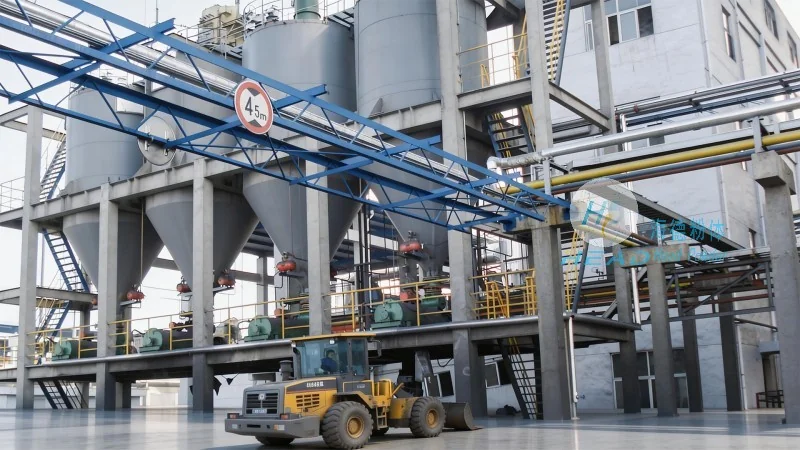
Understanding the Core Principle of Dry Sand Powder Pneumatic Conveying
The dry sand powder pneumatic conveying line operates on the principle of transporting bulk dry materials through a pipeline using compressed air or vacuum. This method eliminates the need for mechanical components like buckets or belts, which are common in traditional bulk material handling. Instead, the system relies on the kinetic energy of the air stream to move the powder, making it an ideal solution for materials that are prone to caking, agglomeration, or contamination from external sources. The core mechanism involves creating a flow of air within the pipeline that is sufficient to lift and transport the particles, ensuring a continuous and controlled movement from the source to the destination.
Key components of the system include the material feed hopper, the air compressor or vacuum pump, the conveying pipeline, and the discharge equipment. The feed hopper ensures a consistent supply of material, while the air compressor generates the necessary pressure to drive the flow. The pipeline is typically made of durable materials like stainless steel or plastic, chosen for their resistance to corrosion and wear from abrasive particles. The discharge equipment, such as a rotary valve or a venturi, controls the release of material at the end of the line, preventing backflow and ensuring smooth operation.
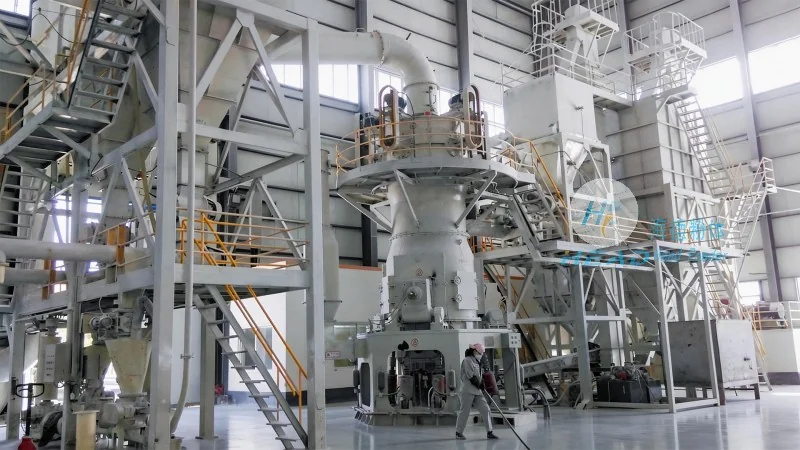
Working Scene Characteristics and Application Environments
The operational characteristics of dry sand powder pneumatic conveying systems are closely tied to the specific environments in which they are deployed. These systems are particularly suited for industries dealing with fine or coarse dry powders, including sand, cement, flour, and various industrial powders. The working scene characteristics include high efficiency in material transfer, minimal product degradation, and reduced labor costs compared to manual handling methods.
In industrial settings, the system's ability to handle large volumes of material in a continuous manner makes it ideal for production lines that require a steady supply of raw materials. For example, in the construction industry, dry sand powder pneumatic conveying lines are used to transport sand from storage silos to mixing plants, ensuring a consistent feed rate for concrete production. Similarly, in the chemical industry, such systems are employed to transfer powders like calcium carbonate or silica, maintaining product purity and preventing contamination.
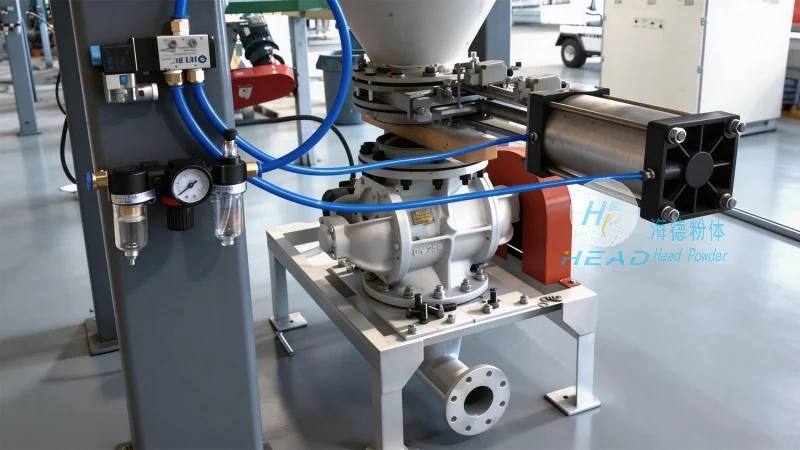
The working environment also influences the design of the conveying system. Factors such as the material's density, particle size distribution, and moisture content are critical in determining the appropriate air velocity and pressure required for effective transport. Advanced systems often incorporate adjustable controls to optimize performance under varying conditions, ensuring reliable operation even with fluctuating material properties.
Advantages and Practical Considerations in Real-World Applications
HeadPowder's dry sand powder pneumatic conveying lines offer several advantages that make them a preferred choice for many industries. These include reduced maintenance costs due to the absence of moving parts, improved safety by eliminating the need for manual handling of bulk materials, and enhanced product quality through minimized exposure to external contaminants. The systems are also highly adaptable, capable of being integrated into existing production lines with minimal disruption.
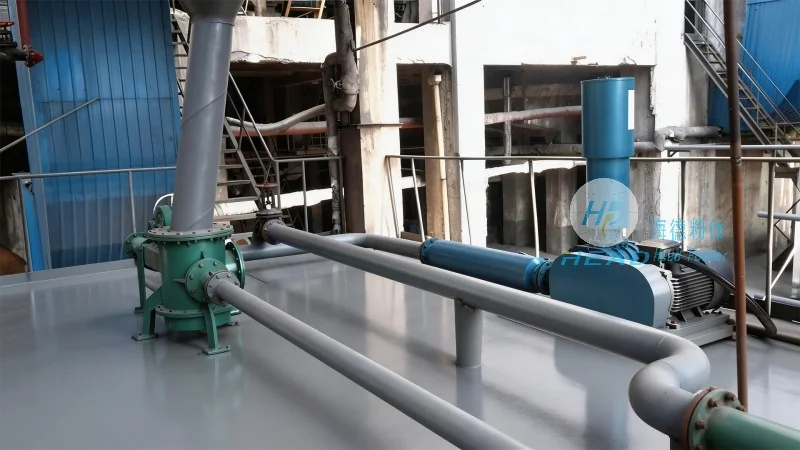
Practical considerations for implementing such systems include the selection of appropriate pipeline diameter and length, as well as the proper sizing of the air compressor to meet the system's demand. The location of the feed and discharge points is also crucial, as it affects the overall efficiency and energy consumption of the operation. HeadPowder, with its expertise in material handling, provides comprehensive solutions that address these considerations, ensuring that clients achieve optimal performance and cost-effectiveness.
Conclusion and Company Overview
As a company based in Shandong, China, HeadPowder Engineering Co., Ltd. has established itself as a trusted provider of pneumatic conveying solutions for dry sand and powder materials. By leveraging advanced technology and a deep understanding of industrial needs, the company delivers systems that meet the highest standards of efficiency, reliability, and safety. The principles and characteristics discussed in this article reflect the company's commitment to innovation and excellence in material handling, making it a go-to partner for businesses seeking to enhance their operational capabilities.