

Principle and Working Scene Characteristics of Fine Gray Powder Pneumatic Conveying Machine
HeadPowder, a leading manufacturer based in Shandong, China, specializes in advanced pneumatic conveying systems designed for handling fine gray powders. This article explores the fundamental principles behind these machines and highlights their key working scene characteristics, providing insights into their application and operational benefits.

Company Overview: Shandong HeadPowder Engineering Co., Ltd.
HeadPowder, with its headquarters in Shandong, China, is dedicated to delivering high-quality engineering solutions for material handling. The company’s expertise lies in the design, manufacturing, and integration of pneumatic conveying equipment tailored to meet the specific needs of various industries. By leveraging years of experience and technical innovation, HeadPowder ensures that its products, such as the fine gray powder pneumatic conveying machine, are built to withstand rigorous operational conditions while maintaining efficiency and reliability.
Principle of Pneumatic Conveying
The core principle of a fine gray powder pneumatic conveying machine is the use of compressed air to transport dry powders through a pipeline system. This method, known as pneumatic conveying, eliminates the need for mechanical components like belts or screws, reducing maintenance requirements and operational costs. The machine operates by drawing the powder into a hopper, where it is then mixed with a controlled flow of air. The air-powder mixture is then propelled through the pipeline to the discharge point, where the air is separated from the powder, allowing for precise material delivery.
Key Working Scene Characteristics
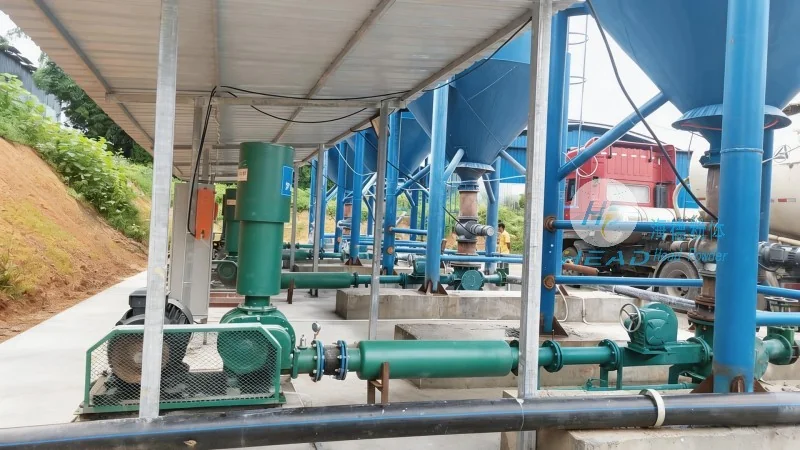
The fine gray powder pneumatic conveying machine is particularly suited for applications involving fine, dry powders that are prone to dusting or caking. Its design ensures efficient handling of materials with particle sizes ranging from microns to millimeters, making it ideal for industries such as pharmaceuticals, food processing, and chemical manufacturing. The machine’s ability to maintain a consistent flow rate and pressure control is crucial in maintaining product quality and preventing contamination, which is essential in sectors where material purity is paramount.
Advantages in Industrial Applications
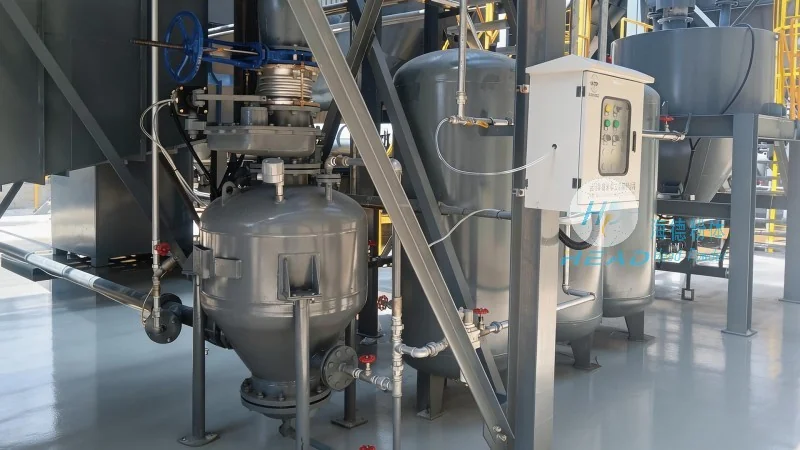
One of the primary advantages of the fine gray powder pneumatic conveying machine is its ability to handle materials in a closed system, minimizing environmental contamination and dust exposure. This feature is particularly beneficial in industries where dust control is a regulatory requirement. Additionally, the machine’s compact design allows for easy integration into existing production lines, reducing installation time and costs. The system’s flexibility in handling varying material types and flow rates makes it a versatile solution for diverse industrial needs.
Operational Efficiency and Maintenance
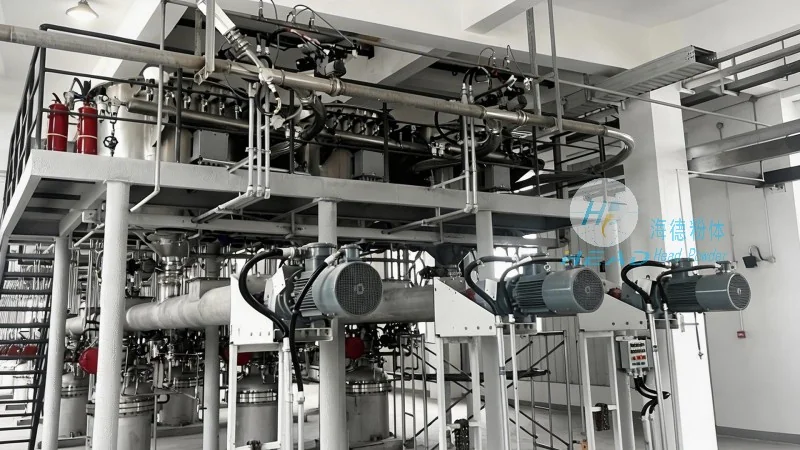
HeadPowder’s fine gray powder pneumatic conveying machines are engineered for optimal operational efficiency. The use of high-quality materials and precision components ensures long service life and minimal downtime. The system’s self-cleaning features, such as the use of air knives or cyclone separators, help maintain consistent performance and reduce the need for frequent maintenance. This design not only enhances the machine’s reliability but also contributes to lower operational costs over its lifespan.
Conclusion
HeadPowder’s fine gray powder pneumatic conveying machine represents a reliable and efficient solution for handling fine gray powders in various industrial applications. By understanding its underlying principles and working scene characteristics, users can make informed decisions about integrating this technology into their operations. With a commitment to quality and innovation, HeadPowder continues to provide advanced material handling solutions that meet the evolving needs of modern industries.