

Principle and Working Scene Characteristics of Bagasse Powder Pneumatic Conveying Equipment
This section introduces the core concept of bagasse powder pneumatic conveying equipment, which is a specialized system designed to transport fine powders like bagasse powder through a pressurized or vacuum air stream. The equipment is crucial in industries dealing with agricultural byproducts, particularly in sugar mills where bagasse is a primary raw material. Understanding its principles and application scenarios is vital for optimizing material handling processes.
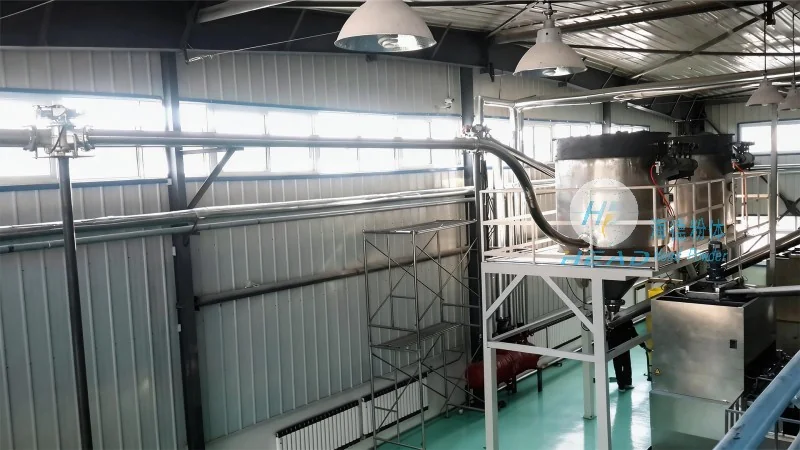
Working Principle of Pneumatic Conveying Systems
The fundamental principle of pneumatic conveying involves using air to move solid particles. In a typical system, a fan or blower generates airflow that propels the bagasse powder through a pipeline. The system can operate under pressure (positive pressure) or vacuum (negative pressure), depending on the specific requirements of the process. The design of the conveying line, including the choice of pipe diameter, material, and the placement of inlets and outlets, directly impacts the efficiency and reliability of the transport. For bagasse powder, which is often fine and lightweight, the system must be optimized to prevent particle segregation and ensure consistent flow.
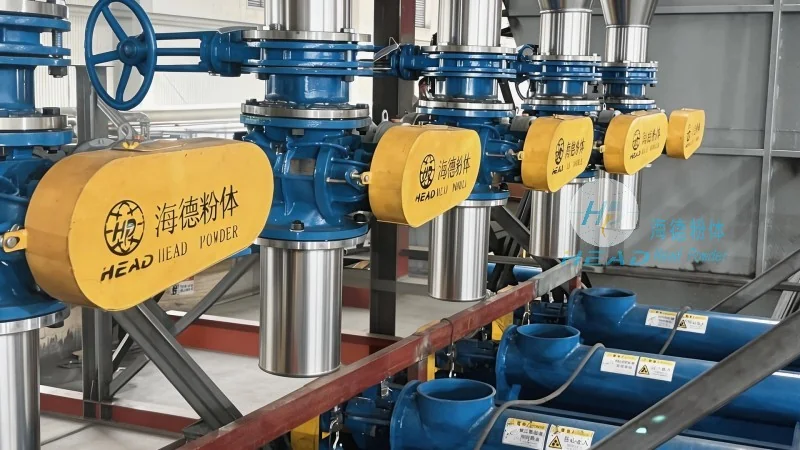
Key Working Scene Characteristics
The working scene characteristics of bagasse powder pneumatic conveying equipment are tailored to the unique properties of bagasse. These include the high moisture content and fibrous nature of the material, which can affect the conveying efficiency. The equipment is designed to handle these challenges by using appropriate air velocities and pipeline configurations. Additionally, the system must be capable of handling varying particle sizes and flow rates, which are common in bagasse processing. The characteristics also involve the need for low maintenance and high durability, as the equipment operates in harsh industrial environments.
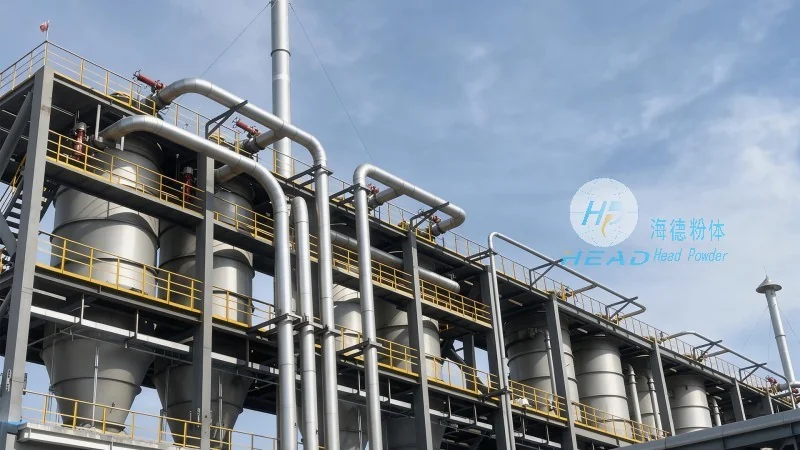
Application Scenarios in Bagasse Processing
Bagasse powder pneumatic conveying equipment is widely used in various stages of bagasse processing. In sugar mills, it is employed to transport bagasse from the extraction stage to the boiler for energy production. The system efficiently moves the powder from storage silos to the combustion chambers, ensuring a continuous supply of fuel. Another application is in the production of biofuels, where bagasse is processed into pellets or other energy products. The equipment also plays a role in the distribution of bagasse to other industrial facilities, such as paper mills or power plants. Each application requires specific adjustments to the conveying parameters to match the process demands.
Technical Advantages and Efficiency
The technical advantages of bagasse powder pneumatic conveying equipment include its ability to handle fine powders without the need for mechanical components like belts or buckets. This reduces maintenance costs and increases operational reliability. The system is also flexible, allowing for changes in flow rates and direction without significant modifications. Additionally, the enclosed pipeline design prevents dust emissions, contributing to a cleaner working environment. The efficiency of the system is measured by its conveying capacity, which is influenced by factors such as air pressure, pipe diameter, and the properties of the bagasse powder. Advanced systems may incorporate sensors and controls to optimize performance in real-time.
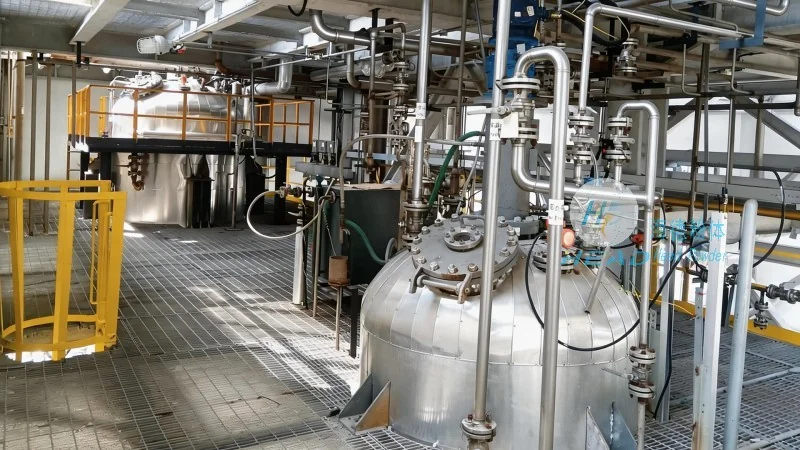
Company Profile: Shandong HeadPowder Engineering Co., Ltd.
As a leading manufacturer in the field, Shandong HeadPowder Engineering Co., Ltd. specializes in the design and production of pneumatic conveying equipment tailored for bagasse and other fine powders. The company, commonly known as headpowder, is headquartered in Shandong, China. With years of experience in the industry, HeadPowder has developed a reputation for high-quality, reliable equipment that meets the demanding requirements of bagasse processing facilities. The company's products are engineered to enhance the efficiency and safety of material handling processes, contributing to the overall productivity of sugar mills and related industries.