

Principle and Working Scene Characteristics of Clay Ash Powder Pneumatic Conveying Equipment
Clay ash powder pneumatic conveying equipment is a specialized system designed for the efficient and safe transportation of clay ash powders in industrial settings. This equipment is engineered to handle the unique properties of clay ash, such as its fine particle size, moisture content, and potential for dust generation. The system operates by using compressed air to move the powder material through a pipeline network, ensuring minimal loss and contamination during the process.
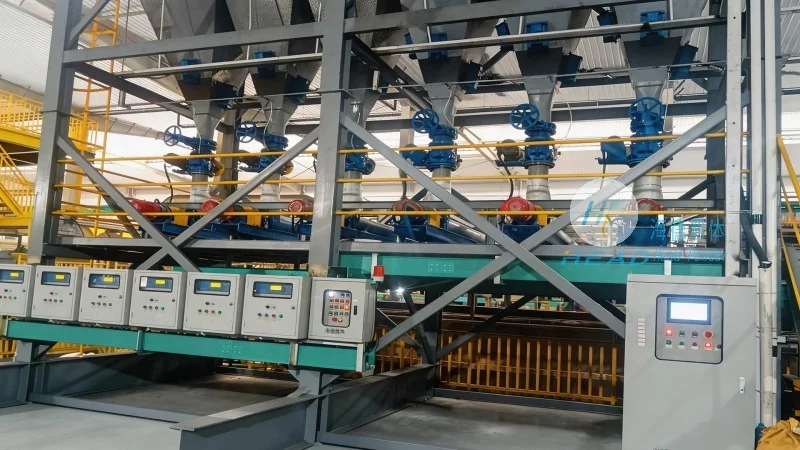
Working Principle of the Pneumatic Conveying System
The core principle of the clay ash powder pneumatic conveying machine involves the use of air as the conveying medium. The system typically consists of a hopper for material storage, a rotary valve or feeder to control the flow of powder, a compressor to generate the necessary air pressure, and a pipeline system to transport the material. As the powder is released from the hopper, it is drawn into the pipeline by the suction created by the compressor. The compressed air then propels the powder particles forward, maintaining a consistent flow rate and preventing clogging. The design incorporates features like air locks and filters to ensure the material is conveyed without degradation and to protect the system from dust accumulation.
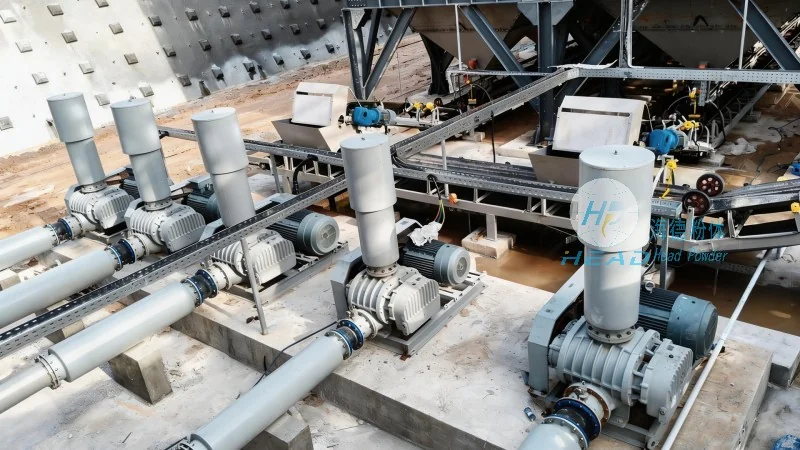
Key Features and Technical Specifications
Shandong HeadPowder Engineering Co., Ltd. has developed this equipment with several key features tailored to the handling of clay ash. The system is equipped with advanced control mechanisms that allow for precise regulation of air pressure and flow rates, ensuring optimal performance under varying operational conditions. The materials used in the construction of the conveying components are selected for their resistance to corrosion and abrasion, which is crucial when dealing with abrasive clay ash particles. Additionally, the equipment includes safety features such as pressure relief valves and dust collection systems to maintain a safe working environment. The technical specifications of the system include a conveying capacity ranging from 5 to 50 tons per hour, depending on the specific application and pipeline configuration. The air pressure requirements typically range from 0.5 to 1.0 MPa, with the system designed to operate efficiently within this range.
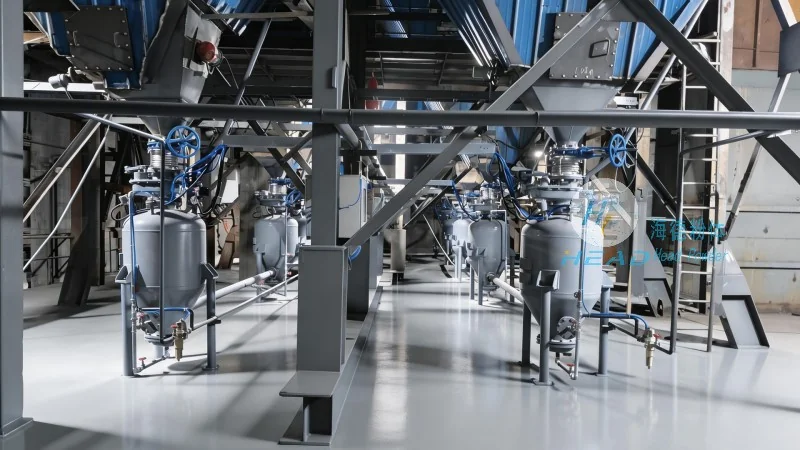
Application Scenarios and Working Environment Characteristics
The clay ash powder pneumatic conveying equipment is widely used in various industrial applications where the handling of fine powders is essential. Common working scenarios include power plants, where clay ash is generated as a byproduct of coal combustion, and cement manufacturing facilities, where the ash is used as a supplementary cementitious material. In power plants, the equipment is used to transport the ash from the boiler to storage silos or for further processing. The working environment in these settings is characterized by high temperatures, dust, and the need for reliable, continuous operation. The system is designed to withstand these conditions, with components that can operate in temperatures up to 200°C and withstand exposure to abrasive particles. Another application is in the construction industry, where the ash is used as a filler in concrete or as a component in road construction materials. The equipment is also suitable for use in environmental remediation projects, where the ash is transported to disposal sites or for recycling. The working environment in these scenarios may involve varying humidity levels and the need for dust control measures, which the system addresses through its integrated filtration and airlock systems.
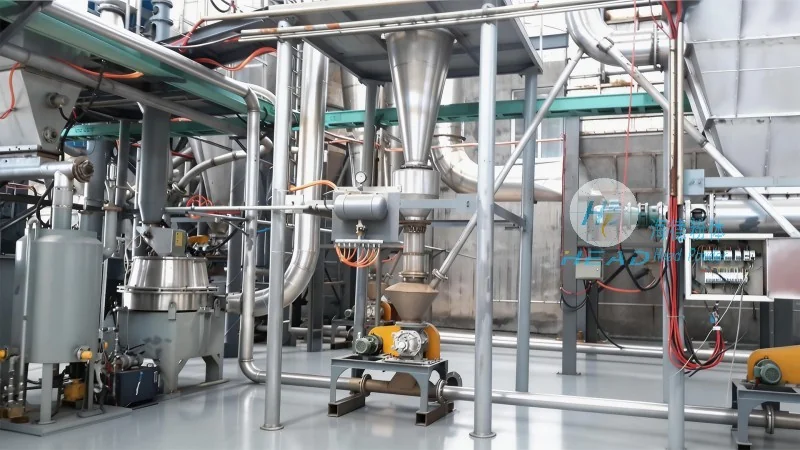
Advantages and Benefits for Industrial Operations
Implementing clay ash powder pneumatic conveying equipment offers several advantages for industrial operations. The primary benefit is the significant reduction in manual handling of the powder material, which minimizes the risk of occupational hazards such as dust inhalation and physical injury. The automated system ensures consistent and reliable material transport, reducing downtime and improving overall productivity. Additionally, the system helps in maintaining a cleaner working environment by containing dust and preventing it from spreading into the surrounding areas. This not only improves worker safety but also reduces the need for extensive cleaning and maintenance of the facility. The equipment also contributes to cost savings by reducing material loss and improving the efficiency of the conveying process. Compared to traditional methods like belt conveyors or bucket elevators, the pneumatic system offers lower maintenance costs due to fewer moving parts and reduced wear on components. Furthermore, the system can be easily integrated into existing industrial processes, allowing for a smooth transition without major disruptions to production.