

Principle and Working Scene Characteristics of Sodium Chlorate Powder Pneumatic Conveying Machine
HeadPowder, a leading engineering company based in Shandong, China, specializes in the design and manufacturing of advanced pneumatic conveying equipment tailored for handling sodium chlorate powder. This article explores the fundamental principles behind these systems and highlights the key operational characteristics and application scenarios that define their effectiveness in industrial settings.
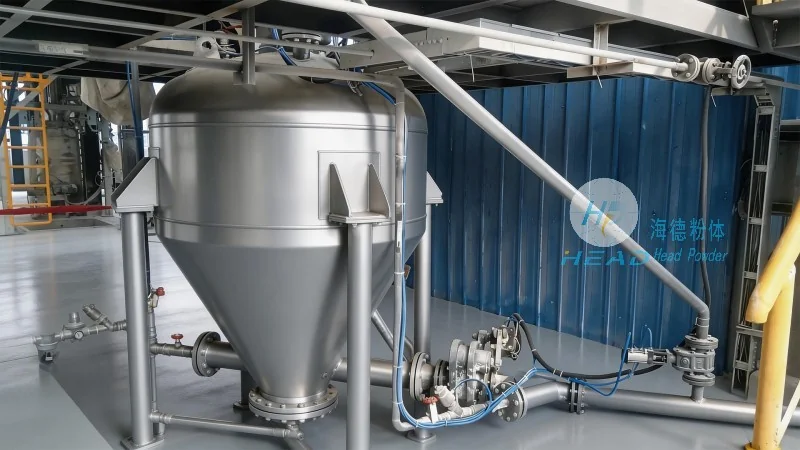
The Working Principle of Pneumatic Conveying for Sodium Chlorate
The core mechanism of a sodium chlorate powder pneumatic conveying machine involves the use of compressed air to transport dry powders through a pipeline system. Unlike traditional mechanical conveyors, this method relies on air pressure to move the material, which is particularly advantageous for handling fine powders like sodium chlorate that are prone to dust generation and require controlled dispersion. The system typically consists of a hopper, a rotary valve, a venturi or airlock, and a receiver, all working in tandem to ensure efficient and safe material transfer.
Compressed air is introduced into the conveying line, creating a low-pressure zone that draws the sodium chlorate powder from the hopper into the pipeline. The air velocity is carefully controlled to maintain a stable suspension of the powder, preventing clogging and ensuring consistent flow rates. This pneumatic approach minimizes the risk of material degradation and contamination, which is critical for sodium chlorate, a chemical commonly used in industrial processes such as bleaching, chemical synthesis, and as an oxidizer.
Key Characteristics of Working Scenes for This Equipment
The operational characteristics of sodium chlorate powder pneumatic conveying systems are shaped by several factors that influence their suitability for different industrial environments. Firstly, the system's ability to handle fine powders without generating excessive dust makes it ideal for applications where air quality and safety are paramount. The enclosed pipeline design reduces exposure to airborne particles, aligning with stringent environmental and occupational health regulations.
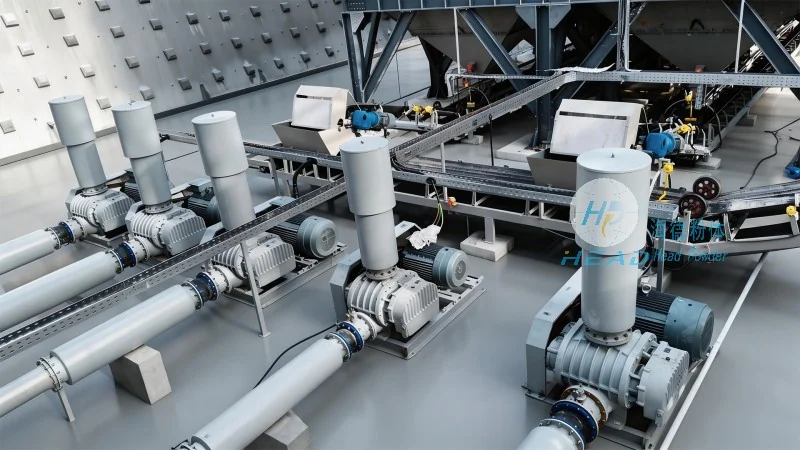
Secondly, the flexibility of pneumatic conveying allows for vertical, horizontal, or mixed (upward and downward) transport, enabling the equipment to be integrated into existing production lines with minimal modifications. This adaptability is crucial for facilities that require the movement of sodium chlorate between multiple processing stages, such as from storage to reaction vessels or from mixing units to packaging areas.
Thirdly, the system's efficiency in terms of energy consumption and material throughput is a significant advantage. By using compressed air to transport the powder, the equipment can achieve high transfer rates while maintaining low operational costs, making it a cost-effective solution for large-scale sodium chlorate handling operations. Additionally, the absence of moving parts in the conveying line (beyond the hopper and valve) reduces maintenance requirements, contributing to lower long-term operational expenses.
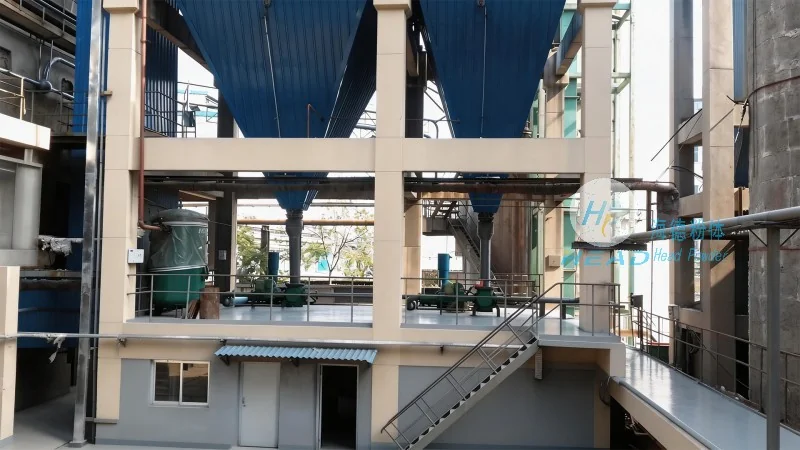
Application Scenarios and Industry Integration
Sodium chlorate powder pneumatic conveying machines are widely employed in various industrial sectors where sodium chlorate is a key raw material. In the chemical industry, these systems are commonly used in the production of bleaching agents, where precise control over the powder's flow is essential to avoid over-oxidation or product contamination. The food processing industry also benefits from this technology when handling sodium chlorate as a food additive, as the enclosed system ensures compliance with hygiene standards and prevents cross-contamination.
In the pharmaceutical sector, the need for sterile and dust-free environments makes pneumatic conveying an ideal choice for transporting sodium chlorate used in the synthesis of active pharmaceutical ingredients (APIs). The system's ability to maintain a controlled environment, combined with its low risk of material degradation, ensures that the final product meets stringent quality and safety requirements.
Furthermore, the equipment's suitability for hazardous material handling is a critical factor in its application. Sodium chlorate is an oxidizer, and improper handling can lead to safety risks. The enclosed pneumatic system minimizes the risk of accidental ignition or explosion by containing the material within a sealed pipeline, providing an additional layer of safety for operators and the surrounding environment.