

Principle and Working Scene Characteristics of Wood Fiber Powder Pneumatic Conveying Equipment
Wood fiber powder pneumatic conveying equipment is a critical component in the processing and handling of wood fiber materials, playing a vital role in various industrial applications. This equipment is designed to efficiently transport wood fiber powders through an air-driven system, ensuring reliable and efficient material movement. The following content will delve into the principles behind this technology and the specific characteristics of its working scenes, providing a comprehensive overview for potential users and industry professionals.
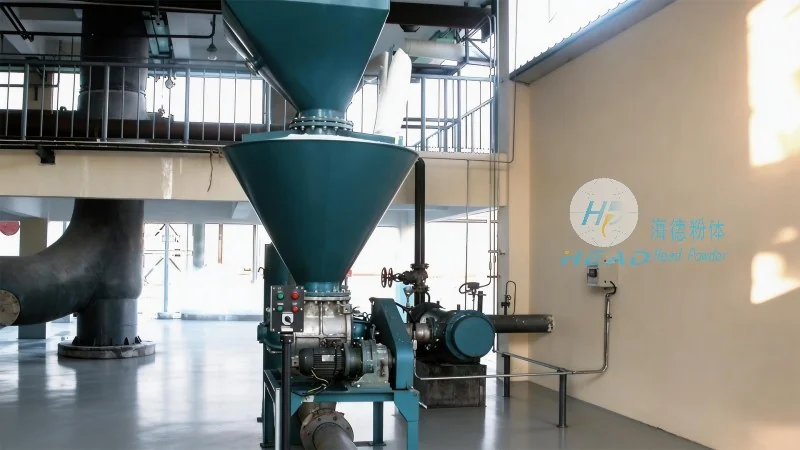
Introduction to Wood Fiber Powder Pneumatic Conveying Equipment
HeadPowder, a leading manufacturer based in Shandong, China, specializes in the development and production of advanced pneumatic conveying systems tailored for wood fiber applications. The company's expertise lies in creating equipment that addresses the unique challenges associated with handling wood fiber powders, such as their variable particle size, moisture content, and potential for dust generation. By leveraging years of experience in engineering and material handling, HeadPowder has developed solutions that enhance productivity, reduce operational costs, and improve overall safety in industrial settings.
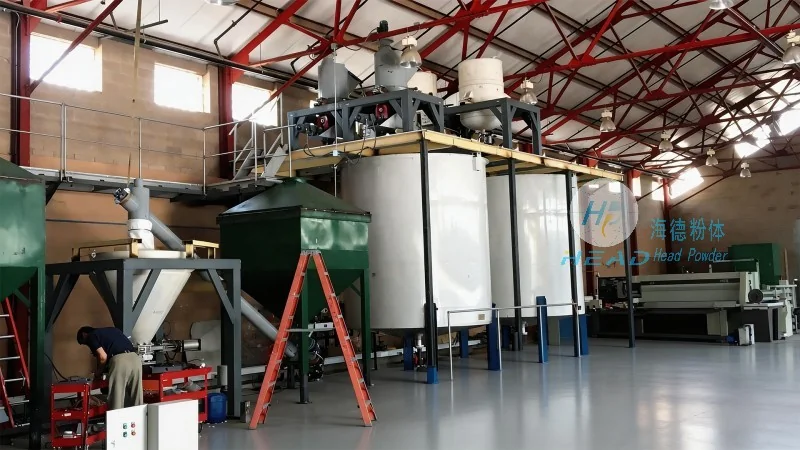
The Principle of Pneumatic Conveying for Wood Fiber Powders
The core principle of wood fiber powder pneumatic conveying involves the use of compressed air to transport dry or slightly moist wood fiber powders through a pipeline system. This method, known as pneumatic conveying, operates by creating a pressure differential between the inlet and outlet of the conveying line. In a typical positive pressure system, compressed air is introduced at the material inlet, where it mixes with the wood fiber powder to form a slurry-like mixture. This mixture is then propelled through the pipeline to the discharge point. Conversely, in a negative pressure (or vacuum) system, air is drawn from the discharge end, creating a vacuum that pulls the material through the line. The choice between positive and negative pressure depends on factors like the distance of material transport, the required flow rate, and the nature of the wood fiber powder being handled.
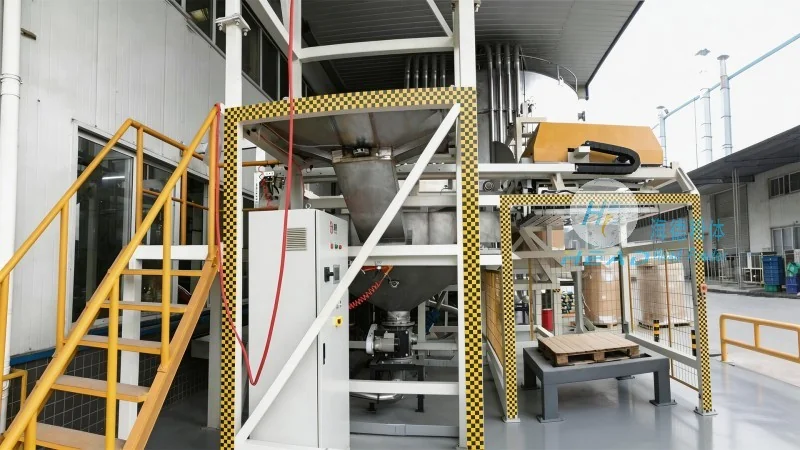
Key Working Scene Characteristics
The working scene characteristics of wood fiber powder pneumatic conveying equipment are shaped by the specific industrial applications and operational requirements. For instance, in the paper manufacturing industry, this equipment is used to transport wood pulp from storage silos to processing lines, ensuring a continuous and stable supply of raw materials. In the wood products industry, it facilitates the movement of wood fiber powders from grinding and drying processes to blending or packaging stages. The equipment's design often incorporates features such as flexible hoses, rigid pipelines, or a combination of both, depending on the layout of the production facility and the distance of material transport. Additionally, the system may include components like cyclones, filters, and dust collectors to manage dust and maintain air quality, which is crucial for maintaining a safe and healthy working environment.
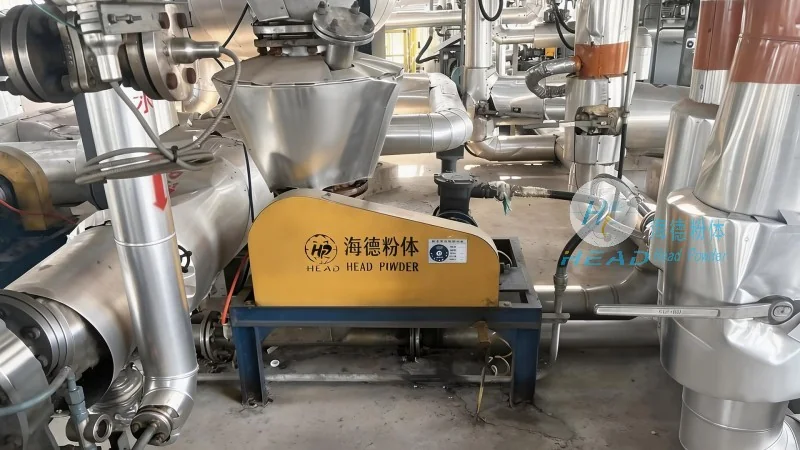
Advantages and Practical Applications
Wood fiber powder pneumatic conveying equipment offers several advantages over traditional mechanical conveying methods. These include higher efficiency in material transport, reduced labor costs due to automated operation, and lower maintenance requirements compared to systems involving moving parts like belts or buckets. The technology also minimizes material degradation and contamination, as the material is not subjected to friction or impact during transport. In terms of practical applications, this equipment is widely used in industries such as paper and pulp, wood-based panel manufacturing, and biomass energy production. For example, in a paper mill, the equipment can handle large volumes of wood pulp at high speeds, ensuring that the production line operates smoothly without interruptions. Similarly, in a wood panel factory, it can efficiently transport wood fiber powders from the grinding stage to the hot press, where they are compressed into panels. The adaptability of the system to different wood fiber types and processing conditions makes it a versatile solution for various industrial needs.