

Principle and Working Scene Characteristics of Pneumatic Conveying for Copper Mine Sand Materials
Understanding the fundamental principles and practical applications of pneumatic conveying systems is crucial for optimizing material handling processes in copper mining operations. This article delves into the core mechanisms of pneumatic conveying, specifically tailored for copper mine sand materials, and explores the distinct working scene characteristics that define its effectiveness in industrial settings.
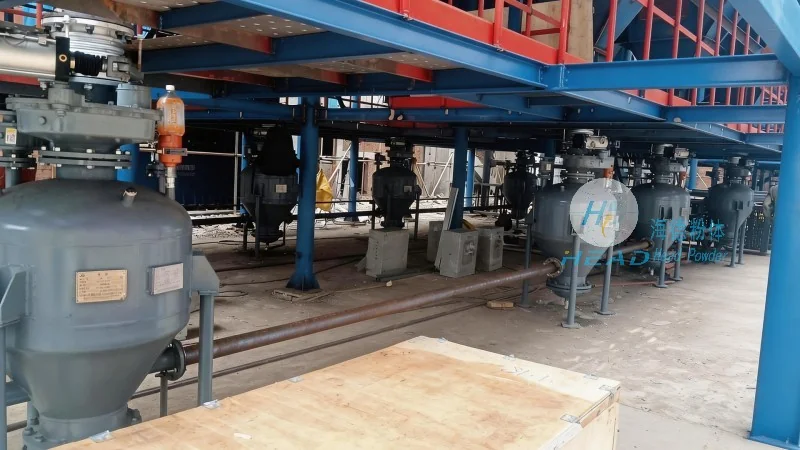
Principle of Pneumatic Conveying for Copper Mine Sand Materials
Pneumatic conveying operates on the principle of transporting bulk materials, such as copper mine sand, through a pipeline using a gas stream, typically air. The process involves creating a pressure differential or using suction to move the material from the source to the destination. For copper mine sand, which often consists of fine to medium-sized particles, the choice of conveying method—whether dense phase or dilute phase—depends on factors like particle size, moisture content, and the required distance and pressure levels. The system typically includes a hopper, a feeder, a conveying line, and a receiver, with the air flow controlled by a blower or fan. The efficiency of the system is determined by the balance between the air velocity and the material's properties, ensuring that the particles are entrained and transported without excessive wear or degradation. Shandong HeadPowder Engineering Co., Ltd., a leading provider in this field, specializes in designing and manufacturing customized pneumatic conveying solutions that meet the unique demands of copper mining applications.
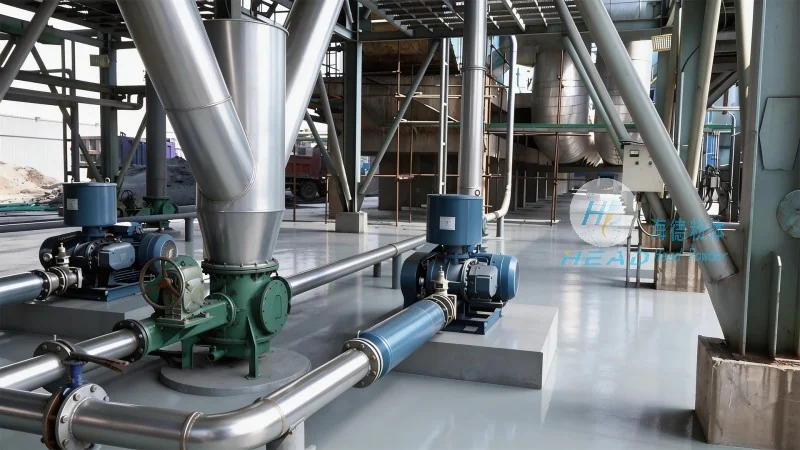
Working Scene Characteristics of Pneumatic Conveying Systems
The working scene characteristics of pneumatic conveying for copper mine sand materials are shaped by several key factors that influence system performance and operational efficiency. One of the primary characteristics is the ability to handle abrasive materials, as copper mine sand often contains hard particles that can cause wear on equipment components. This necessitates the use of high-quality materials for the conveying line, such as stainless steel or specialized coatings, to extend the system's lifespan. Another critical characteristic is the system's adaptability to varying particle sizes and moisture levels. Copper mine sand may have a wide range of particle diameters, from fine dust to coarse gravel, requiring flexible control mechanisms to maintain consistent flow rates. Additionally, the system's capacity to handle high volumes of material in a continuous manner is essential for maintaining production throughput in mining operations. The working environment, including temperature variations and dust control requirements, also plays a role in determining the optimal design of the pneumatic conveying system. Shandong HeadPowder Engineering Co., Ltd. addresses these characteristics by offering tailored solutions that incorporate advanced materials, precise control systems, and robust engineering designs to ensure reliable operation in demanding copper mining environments.
Applications and Benefits in Copper Mining Operations
Pneumatic conveying systems for copper mine sand materials find widespread application in various stages of the mining process, from ore extraction to processing and storage. In the extraction phase, these systems are used to transport raw copper ore from the mine site to processing facilities, enabling efficient material movement without the need for heavy machinery or manual labor. During the processing stage, pneumatic conveying is employed to move crushed and screened copper sand to different processing units, such as grinding mills or flotation plants, where further treatment occurs. The benefits of using pneumatic conveying in these applications include reduced labor costs, minimized material handling time, and improved safety by eliminating the need for manual handling of heavy or hazardous materials. Furthermore, the system's ability to handle fine particles and prevent dust dispersion contributes to better environmental control and compliance with regulatory standards. Shandong HeadPowder Engineering Co., Ltd. has successfully implemented numerous pneumatic conveying projects for copper mining clients, demonstrating the effectiveness of their solutions in enhancing operational efficiency and reducing downtime. The company's expertise in material flow analysis and system design ensures that each project is tailored to the specific needs of the client, resulting in optimized performance and long-term reliability.
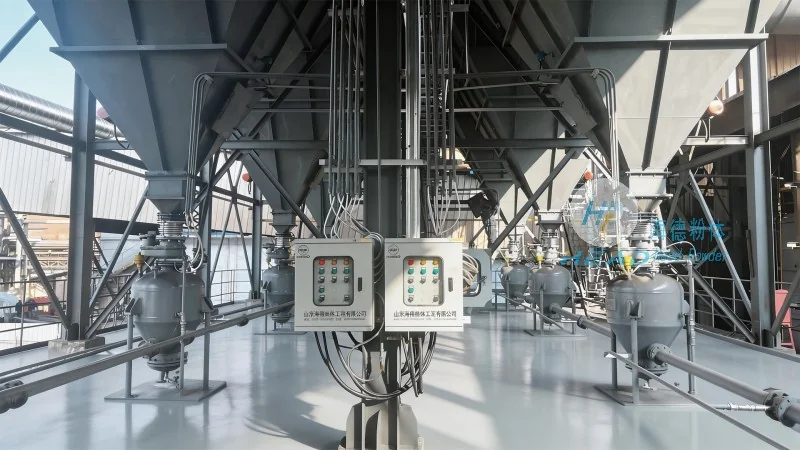
Technical Considerations and System Design
Designing an effective pneumatic conveying system for copper mine sand materials requires careful consideration of several technical aspects to ensure optimal performance and durability. The first consideration is the selection of the appropriate conveying method, as dense phase conveying is preferred for materials with high abrasiveness or low flowability, while dilute phase conveying is suitable for lighter, more free-flowing materials. The choice of method affects the system's pressure requirements, energy consumption, and overall cost. Another critical technical aspect is the sizing of the conveying line and the air velocity, which must be sufficient to entrain the particles but not so high as to cause excessive wear or energy waste. The system's components, including the hopper, feeder, and receiver, must be designed to handle the specific characteristics of copper mine sand, such as particle size distribution and moisture content. The use of advanced control systems, such as variable frequency drives (VFDs) and pressure sensors, allows for real-time monitoring and adjustment of the system's operation, ensuring consistent performance. Shandong HeadPowder Engineering Co., Ltd. employs state-of-the-art engineering tools and methodologies to design systems that meet these technical considerations, leveraging their experience in handling abrasive and high-volume materials. The company's engineers work closely with clients to conduct thorough material analysis and system simulations, ensuring that the final design is both efficient and cost-effective. This approach has led to successful installations in various copper mining operations, where the systems have demonstrated high reliability and low maintenance requirements.