

Principle and Working Scene Characteristics of Talc Powder Material Pneumatic Conveying Systems
HeadPowder, a leading provider of industrial material handling solutions, specializes in pneumatic conveying systems designed specifically for talc powder. This article explores the fundamental principles behind these systems and highlights key working scene characteristics that make them ideal for talc powder applications.
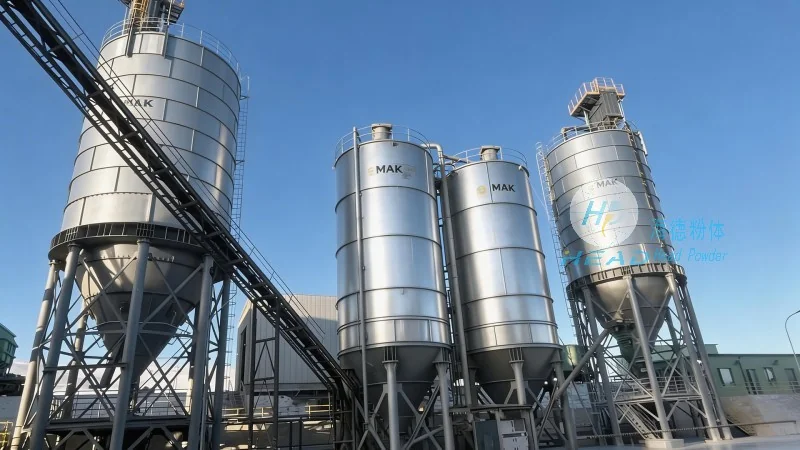
Understanding Talc Powder and Its Handling Challenges
Talc powder is a soft, white mineral commonly used in various industries, including cosmetics, ceramics, and pharmaceuticals. Its fine particle size and low bulk density present unique challenges when it comes to material handling. Traditional methods like belt conveyors or bucket elevators may not be suitable due to talc's tendency to create dust, clog equipment, or degrade in quality. Pneumatic conveying offers a more efficient and hygienic solution by transporting the powder through a closed system using air pressure.
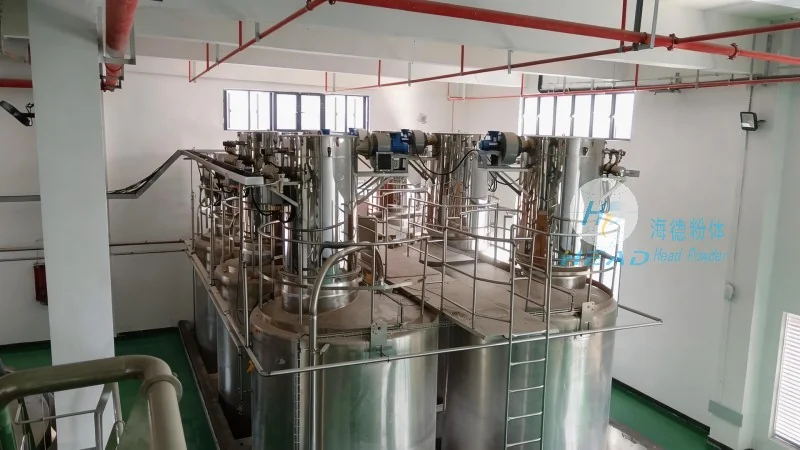
The Core Principle of Pneumatic Conveying
Pneumatic conveying systems operate on the principle of using air to move bulk materials through a pipeline. In the case of talc powder, the system typically involves a hopper where the powder is fed into a pipeline. A fan or blower generates the necessary air pressure, which then propels the talc particles forward. The system can be either positive pressure (where air is forced into the pipeline) or negative pressure (where air is drawn out). For talc powder, positive pressure systems are often preferred as they minimize dust emissions and provide better control over the material flow.

Key Working Scene Characteristics
The effectiveness of a talc powder pneumatic conveying system is heavily influenced by several working scene characteristics. These include the material's flowability, moisture content, and particle size distribution. Talc powder's low friction angle and cohesive properties mean that the system must be designed to prevent blockages and ensure consistent flow. Additionally, the system's layout and the distance over which the powder is conveyed are critical factors. HeadPowder's engineers consider these variables to design systems that meet the specific needs of each application.
Applications and Industry Use Cases
Talc powder pneumatic conveying systems are widely used in industries where precision and cleanliness are paramount. For example, in the cosmetics industry, the system ensures that talc powder is transported without contamination, maintaining the product's quality standards. In the ceramics sector, the system helps in efficiently moving talc to production lines, reducing downtime and improving overall productivity. The versatility of these systems makes them suitable for various processing stages, from raw material storage to final product packaging.
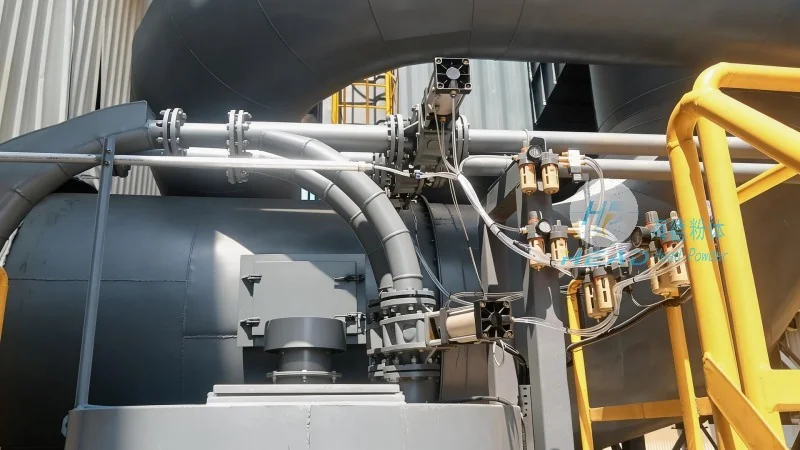
Advantages of HeadPowder's Pneumatic Conveying Solutions
HeadPowder Engineering Co., Ltd., based in Shandong, China, offers comprehensive pneumatic conveying solutions tailored to talc powder handling. Our systems are designed to address the unique challenges of talc, such as dust control and material degradation. By leveraging advanced engineering and materials, we ensure that our systems are durable, efficient, and cost-effective. Clients benefit from reduced maintenance costs, improved safety, and enhanced product quality. Our team of experts works closely with clients to understand their specific requirements and provides customized solutions that meet their operational needs.