

Principle and Working Scene Characteristics of a Pneumatic Conveying System for Activated Carbon Pow
Shandong HeadPowder Engineering Co., Ltd. specializes in providing advanced solutions for the efficient and reliable transportation of activated carbon powder materials. Based in Shandong, China, the company leverages its expertise in pneumatic conveying technology to meet the diverse needs of industrial applications. This article explores the fundamental principles behind such systems and highlights key characteristics of their operational environments.
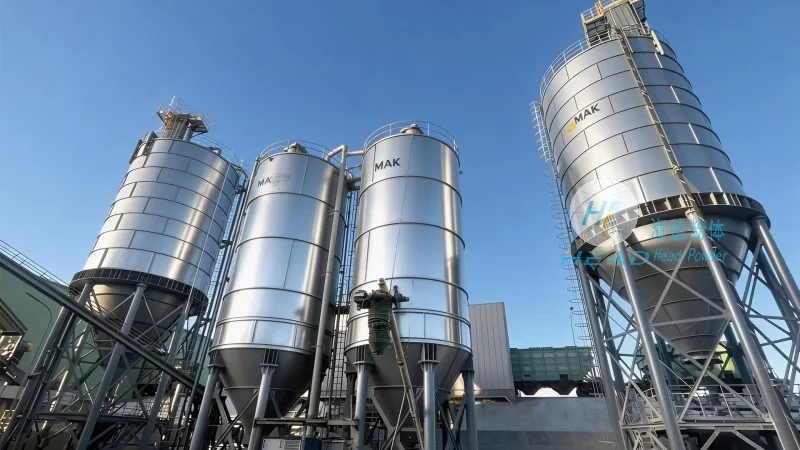
Introduction to Pneumatic Conveying Systems for Activated Carbon Powder
A pneumatic conveying system is a method of transporting bulk materials, such as activated carbon powder, through a pipeline using a stream of air or other gas. This technology offers a flexible and efficient alternative to traditional mechanical conveying methods, particularly for materials that are dusty, abrasive, or require controlled dispersion. The system typically consists of a material feed hopper, a conveyor line (often with multiple sections), and a discharge unit, all powered by a blower or compressor that generates the necessary air pressure.
Technical Principles of Pneumatic Conveying
The core principle of pneumatic conveying is the creation of a gas-solid two-phase flow within the pipeline. When air is introduced into the system, it lifts and transports the activated carbon powder particles, maintaining a stable suspension. The system can operate in either suction (or vacuum) mode, where air is drawn through the pipeline to pull material from a source, or in pressure (or positive) mode, where air is forced through the pipeline to push material to a destination. The choice between these modes depends on factors like the distance to be covered, the material's characteristics, and the system's layout. For activated carbon powder, which is often fine and light, a pressure system is commonly preferred due to its ability to handle longer distances and maintain consistent flow rates.
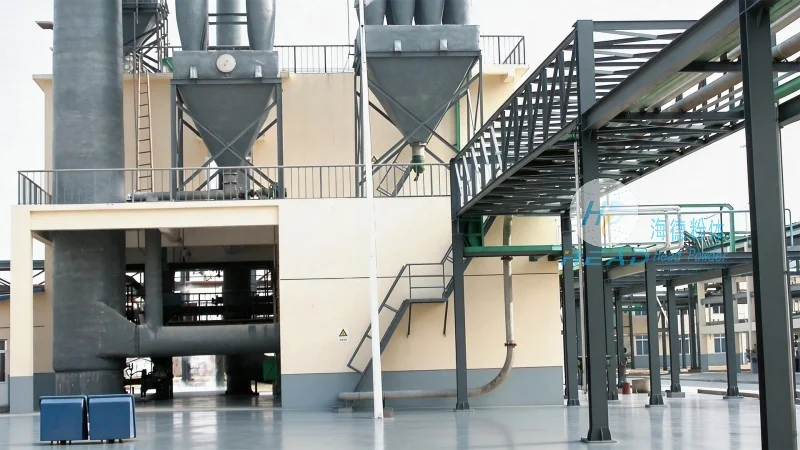
Working Scene Characteristics
The operational environment of a pneumatic conveying system for activated carbon powder is characterized by several key factors that influence its design and performance. First, the material's properties, such as its particle size distribution, density, and moisture content, directly impact the system's efficiency. Activated carbon powder typically has a fine particle size, which can lead to issues like caking or blockage if not properly handled. Therefore, the system must incorporate features like vibration feeders or air knives to prevent material buildup and ensure smooth flow. Second, the system's layout and integration with other industrial processes are critical. In many applications, the conveying system is part of a larger production line, requiring seamless coordination with other equipment like reactors, filters, or storage tanks. This integration demands precise control over the material's flow rate and pressure, often achieved through variable frequency drives (VFDs) and pressure sensors. Third, the system's durability and maintenance requirements are important considerations. Since activated carbon powder can be abrasive and corrosive, the pipeline and components must be constructed from materials resistant to wear and chemical attack, such as stainless steel or specialized plastics. Regular maintenance, including cleaning and inspection of the pipeline and blower, is essential to ensure long-term reliability.
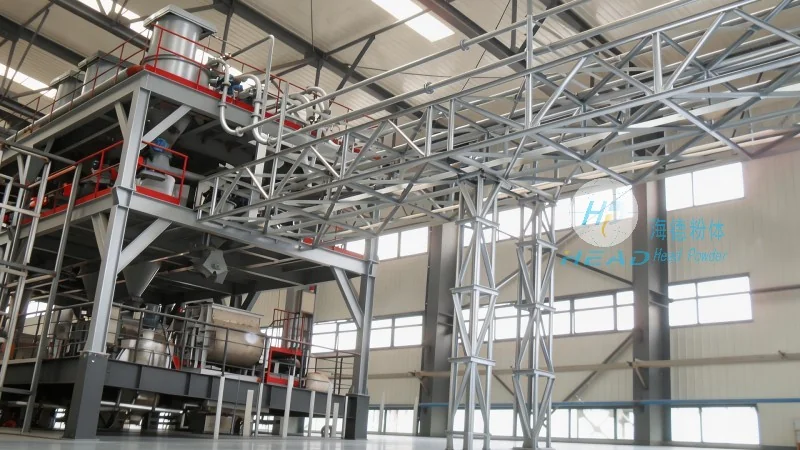
Application Scenarios and Operational Benefits
Pneumatic conveying systems for activated carbon powder are widely used in various industrial sectors, including environmental protection, chemical processing, and pharmaceutical manufacturing. In environmental applications, such as wastewater treatment or air purification, the system efficiently transports activated carbon to and from filtration units, ensuring optimal contact time for pollutant removal. In chemical processing, the system facilitates the transfer of activated carbon between reactors and storage facilities, supporting processes like adsorption and regeneration. The operational benefits of these systems include improved safety, as the material is contained within the pipeline, reducing dust exposure and fire hazards. Additionally, the system offers high flexibility, allowing for changes in material flow rates or destinations without major modifications. The ability to handle fine powders without clogging also enhances process efficiency, minimizing downtime and maintenance costs. Overall, the pneumatic conveying system provides a reliable and efficient solution for the transportation of activated carbon powder, aligning with the operational needs of modern industrial environments.
Conclusion
Shandong HeadPowder Engineering Co., Ltd. demonstrates expertise in designing and implementing pneumatic conveying systems tailored to the specific requirements of activated carbon powder transportation. By understanding the technical principles and operational characteristics of these systems, industries can achieve efficient material handling, enhanced safety, and improved process performance. The company's solutions, based in Shandong, China, reflect a commitment to quality and innovation, supporting the diverse needs of clients in various sectors.