

Principles and Working Scene Characteristics of Wheat Bran Material Pneumatic Conveying Equipment
Wheat bran, a byproduct of wheat milling, is widely utilized in the food and feed industries. Efficient and reliable material handling is essential for processing wheat bran, and pneumatic conveying systems have become a preferred solution for transporting this bulk material. This article examines the principles behind pneumatic conveying equipment designed for wheat bran, along with the key characteristics of its operational environments.
Principles of Wheat Bran Pneumatic Conveying Equipment
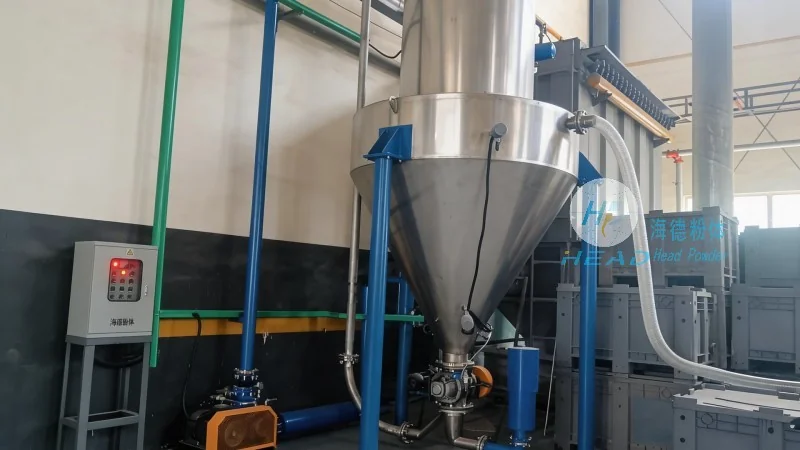
The fundamental principle of pneumatic conveying is the use of air to transport solid materials through a pipeline. For wheat bran, which is a fine to medium-sized powder, the system typically operates under positive pressure (pressure conveying) or negative pressure (vacuum conveying). Positive pressure systems employ a blower to force air and material through the pipeline, while negative pressure systems utilize a vacuum pump to draw material into the pipeline. The selection between these systems depends on factors such as material properties, conveying distance, and system layout.
The typical components of a wheat bran pneumatic conveying system include a feed hopper, a rotary valve or star feeder for controlled material discharge, a blower or vacuum pump, a pipeline network, and a separator or filter to separate the material from the air at the end of the conveying line. The feed hopper ensures a consistent material flow, while the rotary valve prevents air from escaping back into the hopper. The blower or pump provides the necessary air pressure or vacuum to move the material. The pipeline network transports the material from the feed point to the discharge point, and the separator removes the wheat bran from the air, often using cyclone separators or bag filters.
Working Scene Characteristics of Wheat Bran Pneumatic Conveying Equipment
The working environment for wheat bran pneumatic conveying equipment is primarily found in industrial settings such as flour mills, feed manufacturing plants, and food processing facilities. These environments demand high efficiency, low maintenance, and the ability to handle large volumes of material without clogging or degradation. The equipment is designed to operate continuously, often 24/7, to meet the production demands of these industries.
In flour mills, the pneumatic conveying system is used to transport wheat bran from the milling area to storage silos or processing lines. The system must handle the fine particles of wheat bran, which can be prone to dust accumulation and clogging if not properly designed. The equipment is typically installed in enclosed or semi-enclosed areas to control dust and ensure worker safety.
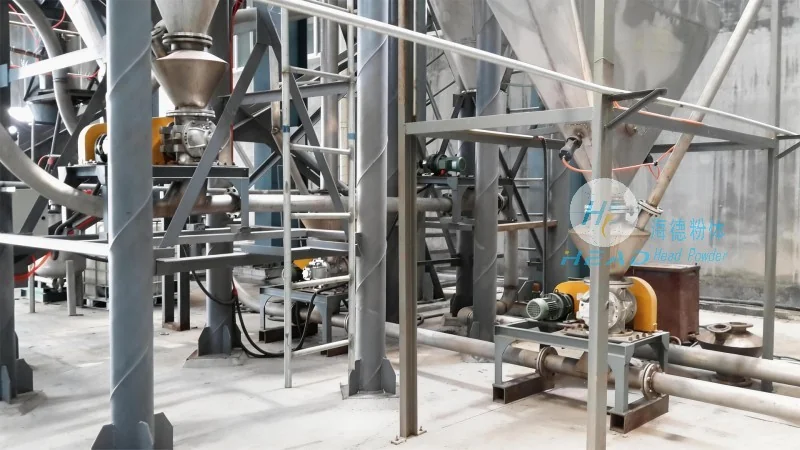
In feed manufacturing plants, the system is used to convey wheat bran as an ingredient in animal feed. The conveying process must maintain the material's quality, preventing clumping or degradation that could affect the final feed product. The system is often integrated with other processing equipment, such as mixers and extruders, to form a seamless production line.
Another key characteristic is the system's ability to handle varying material conditions. Wheat bran can have different moisture contents and particle sizes depending on the milling process, and the pneumatic conveying equipment must be adaptable to these changes. The use of adjustable blower speeds and variable feed rates allows for optimal performance under different operating conditions.
Efficiency and Environmental Considerations
Efficiency is a critical factor in the working scene of wheat bran pneumatic conveying equipment. The system must minimize energy consumption while maximizing material throughput. Modern systems use high-efficiency blowers and optimized pipeline designs to achieve this balance. Additionally, the equipment is designed to minimize dust emissions, which is essential for maintaining a clean and safe working environment.
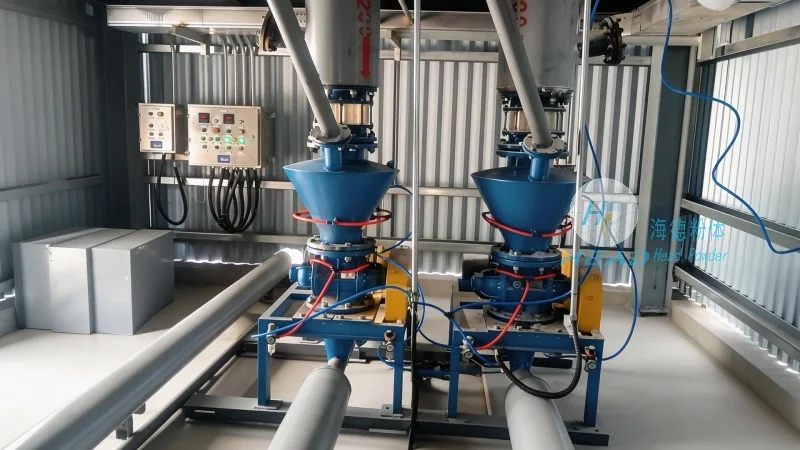
The environmental impact of the system is also a consideration. Proper filtration and dust collection systems are integrated into the design to prevent air pollution and comply with environmental regulations. The use of closed-loop systems, where the air is recirculated after filtration, further reduces the environmental footprint.
HeadPowder: Expert in Wheat Bran Pneumatic Conveying Solutions
Shandong HeadPowder Engineering Co., Ltd., a leading manufacturer of pneumatic conveying equipment, specializes in providing customized solutions for wheat bran material handling. With years of experience in the industry, HeadPowder has developed advanced systems that meet the specific needs of flour mills, feed manufacturers, and other food processing industries. The company's equipment is designed with durability, efficiency, and low maintenance in mind, ensuring long-term performance and reliability.
HeadPowder's team of engineers works closely with clients to understand their production requirements and material characteristics, then designs a tailored pneumatic conveying system. The company's products include a range of components, from feed hoppers and rotary valves to blowers and separators, all manufactured to high standards. The equipment is installed and maintained by experienced technicians, ensuring that clients receive the best possible service and support.
Located in Shandong, China, HeadPowder leverages its local expertise and manufacturing capabilities to deliver high-quality, cost-effective solutions for wheat bran pneumatic conveying. The company's commitment to innovation and customer satisfaction has made it a trusted partner in the industry, helping businesses improve their material handling processes and increase productivity.