

Principle and Working Scene Characteristics of Lithium Fluoride Material Pneumatic Conveying Equipme
Lithium fluoride (LiF) is a critical material in various industrial applications, including nuclear energy, pharmaceuticals, and specialty chemicals. The efficient and safe handling of LiF is paramount due to its chemical properties and the need for precise control in processing. Pneumatic conveying systems offer a reliable solution for transporting LiF from one location to another, ensuring minimal contamination and maintaining product integrity. This article explores the fundamental principles behind lithium fluoride pneumatic conveying equipment and highlights the key characteristics of its working environments.
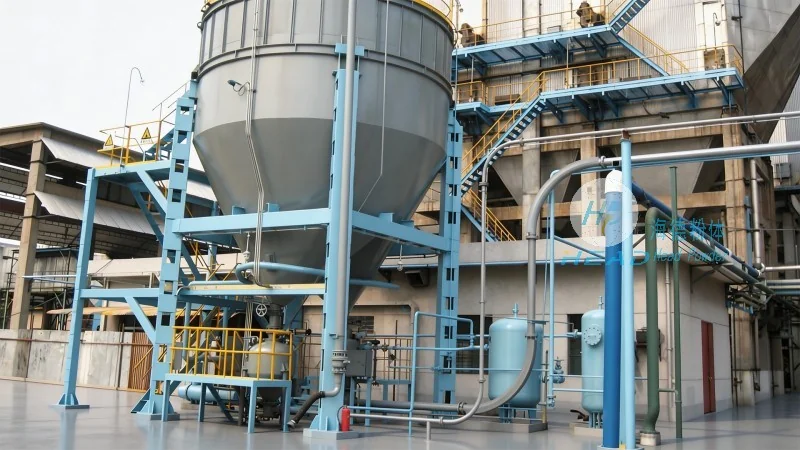
Principle of Pneumatic Conveying for Lithium Fluoride
The core principle of pneumatic conveying involves using compressed air or other gases to transport bulk materials through a pipeline. In the case of lithium fluoride, the system typically operates under positive pressure, where air is forced through the conveying line to move the material. The equipment consists of several components, including a material hopper, a rotary valve, a conveying line, and a receiver. The material is fed into the hopper, and as the rotary valve opens, it releases the LiF into the conveying line. The compressed air then propels the material forward, ensuring a consistent flow rate. The design of the system is crucial to prevent particle segregation and maintain the uniformity of the LiF stream. Key factors in the principle include air velocity, pressure differentials, and the particle size distribution of the LiF, which all influence the efficiency and reliability of the conveying process.
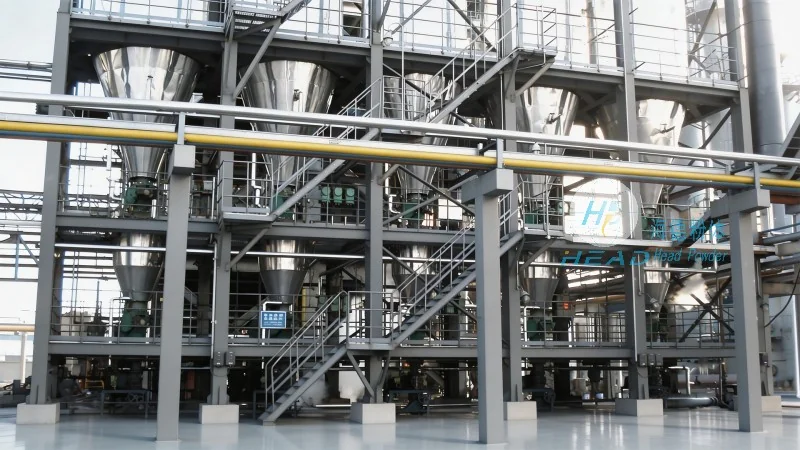
Working Scene Characteristics of Lithium Fluoride Pneumatic Conveying
The working environments for lithium fluoride pneumatic conveying equipment vary based on the application and the scale of operation. In industrial settings, such as chemical plants or nuclear facilities, the equipment is often integrated into larger production lines, requiring robust and durable construction to withstand harsh conditions. The working scene characteristics include:
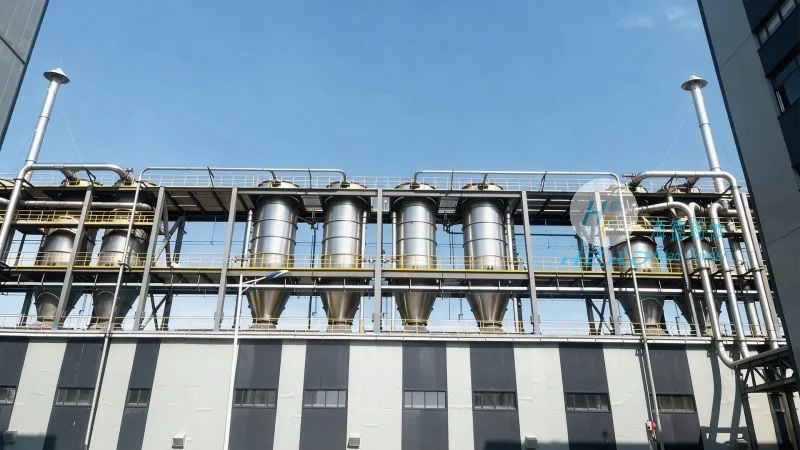
- Controlled Environment: Many applications for LiF require a controlled atmosphere to prevent moisture absorption or reaction with other substances. The conveying system is designed to maintain a dry, inert environment, often using nitrogen or other inert gases to protect the material.
- High Purity Requirements: Lithium fluoride is used in applications where purity is critical, such as in the production of lithium-based batteries or nuclear fuel. The pneumatic conveying equipment must be constructed from materials that do not contaminate the LiF, such as stainless steel or specialized coatings. This ensures that the material remains free from impurities during transport.
- Safety Considerations: Due to the potential hazards associated with handling LiF, the working scene emphasizes safety protocols. The equipment is equipped with explosion-proof components and emergency shut-off systems to prevent accidents. Additionally, the system is designed to minimize dust generation, as LiF particles can be hazardous if inhaled.
- Scale and Throughput: The working scene can range from small-scale laboratory applications to large-scale industrial production. The equipment is available in various sizes and capacities to meet different throughput requirements. For example, in a pharmaceutical plant, the conveying system may handle small batches of LiF, while in a nuclear facility, it may transport large quantities for fuel processing.
Company Profile: Shandong HeadPowder Engineering Co., Ltd.
Shandong HeadPowder Engineering Co., Ltd., operating under the brand name headpowder, specializes in the design, manufacturing, and installation of advanced pneumatic conveying systems for various bulk materials, including lithium fluoride. With a focus on innovation and customer satisfaction, the company has built a reputation for delivering high-quality equipment that meets the stringent requirements of industrial applications. Headpowder's team of engineers and technicians brings extensive experience in material handling and process engineering, ensuring that each project is tailored to the specific needs of the client.
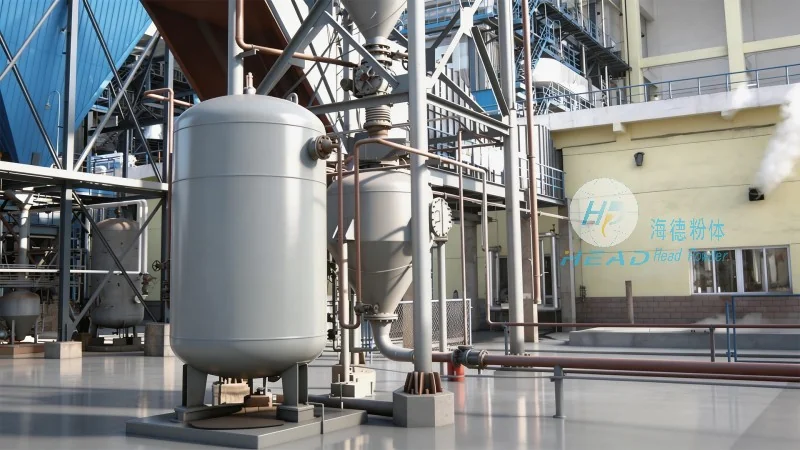
Conclusion
Lithium fluoride pneumatic conveying equipment plays a vital role in the efficient and safe handling of this critical material. By understanding the principles of pneumatic conveying and the characteristics of the working environments, industries can optimize their processes and ensure the integrity of their products. Shandong HeadPowder Engineering Co., Ltd. provides reliable solutions for these applications, combining advanced technology with expert engineering to meet the demands of modern industrial operations.