

Principle and Working Scene Characteristics of Wheat Flour Material Pneumatic Conveying Lines
Wheat flour is a vital raw material in the food and baking industries, and efficient material handling is crucial for maintaining production efficiency and product quality. The pneumatic conveying line for wheat flour, developed by Shandong HeadPowder Engineering Co., Ltd. (referred to as headpowder), is a specialized system designed to transport wheat flour and other similar powders with high precision and minimal loss. This article will explore the fundamental principles of this technology and the key characteristics of its working scenarios.
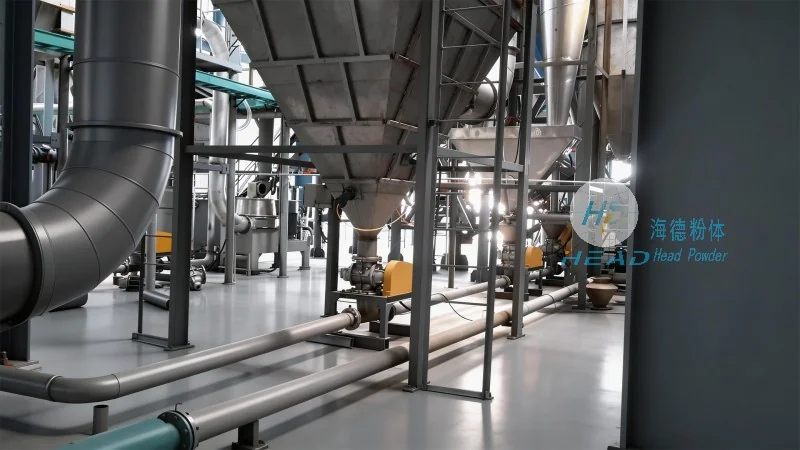
Company Background and Expertise
HeadPowder, a leading manufacturer in the field of powder processing equipment, is headquartered in Shandong, China. With years of experience in the industry, the company specializes in designing and manufacturing advanced pneumatic conveying systems tailored to the unique requirements of the flour and food processing sectors. Their expertise lies in addressing the challenges associated with handling fine powders like wheat flour, such as dust generation, material segregation, and the risk of clogging in traditional conveying methods.
Principle of Pneumatic Conveying for Wheat Flour
The core principle of the pneumatic conveying line for wheat flour is the use of air as the conveying medium to transport the material. This system operates by creating a pressure differential between the inlet and outlet of the conveying line. In a typical positive pressure system, compressed air is introduced at the material inlet, where the wheat flour is fed into the line. The air then carries the flour particles through the pipeline, ensuring a continuous and controlled flow. Conversely, a negative pressure system draws air out of the line, creating a vacuum that pulls the flour from the source to the destination. For wheat flour, positive pressure systems are often preferred due to their ability to handle high volumes and maintain consistent material flow, while minimizing the risk of dust dispersion and product contamination.
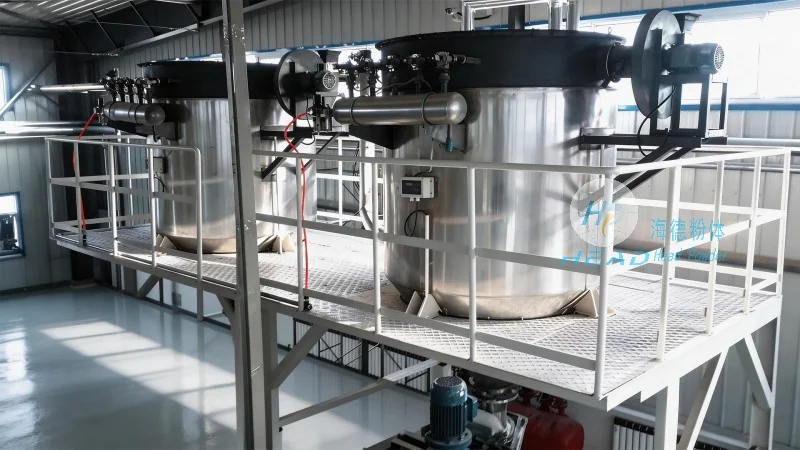
Key Components and Working Mechanism
The pneumatic conveying line for wheat flour consists of several critical components that work in tandem to ensure efficient operation. These include the hopper or feeder, which feeds the wheat flour into the system; the air compressor or vacuum pump, which provides the necessary pressure or vacuum; the conveying pipeline, typically made of stainless steel or other corrosion-resistant materials to prevent contamination and ensure durability; and the control system, which regulates the air flow and material feed rate. The feeder is designed to handle the bulk wheat flour, ensuring a uniform flow into the pipeline. The air compressor maintains a consistent pressure, while the control system monitors parameters like pressure, flow rate, and material level to optimize performance. The pipeline network connects the source (e.g., storage silos or production lines) to the destination (e.g., mixing rooms, packaging lines), allowing for flexible routing and integration with existing production facilities.
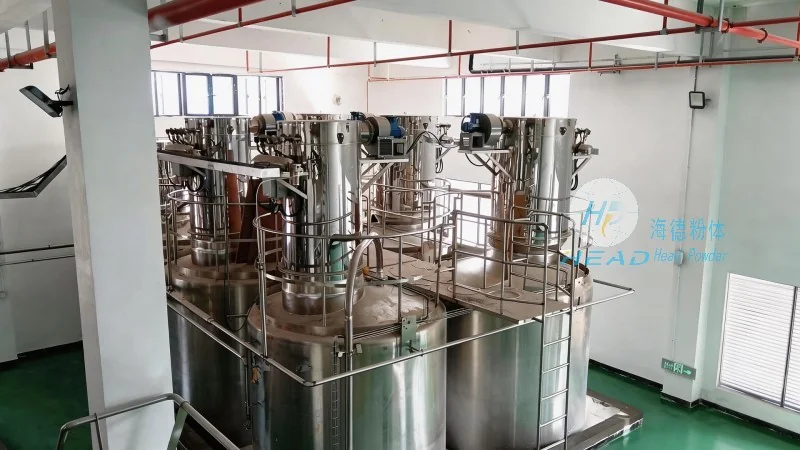
Advantages of Pneumatic Conveying for Wheat Flour
Compared to traditional mechanical conveying methods, the pneumatic conveying line for wheat flour offers several significant advantages. First, it eliminates the need for moving parts in the conveying line, reducing maintenance requirements and minimizing the risk of mechanical failure. Second, it provides a dust-free environment, which is crucial for maintaining product quality and compliance with food safety regulations. The enclosed system prevents flour particles from escaping into the air, reducing the risk of contamination and improving workplace safety. Third, the system can handle high volumes of material with minimal energy consumption, making it an energy-efficient solution for large-scale flour processing operations. Additionally, the flexibility of the pipeline network allows for easy integration with existing production lines, enabling seamless material transfer between different stages of the process. This adaptability is particularly valuable in dynamic production environments where changes in workflow or product lines are common.
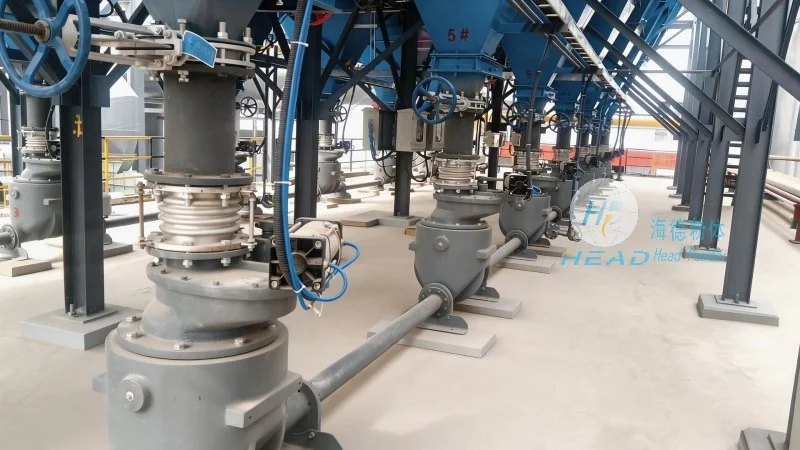
Working Scene Characteristics
The working scene characteristics of the pneumatic conveying line for wheat flour are tailored to the specific needs of the flour processing industry. In industrial settings, these systems are commonly used to transport wheat flour from storage silos to production lines, ensuring a continuous supply of raw material. The enclosed design of the system prevents dust and flour particles from spreading throughout the facility, maintaining a clean and safe working environment. In large-scale bakeries or food processing plants, the system may be integrated with other equipment, such as mixers, ovens, and packaging machines, to form a fully automated production line. The flexibility of the pipeline allows for routing the flour to multiple destinations, such as different mixing rooms or packaging stations, depending on the production schedule. The system also supports batch processing, where specific quantities of flour are conveyed to meet production demands. In addition, the system can handle other similar powders, such as other types of flour or fine ingredients, making it a versatile solution for diverse material handling needs in the food industry.
Application Examples and Real-World Implementation
HeadPowder's pneumatic conveying lines for wheat flour have been successfully implemented in various industrial applications. For example, in a large-scale flour mill, the system was installed to transport wheat flour from storage silos to the mixing and packaging areas. The positive pressure system ensured a consistent flow of flour, with minimal loss and no dust contamination. The system's control panel allowed operators to monitor and adjust the flow rate in real-time, optimizing production efficiency. In another application, the system was used in a bakery to transport wheat flour from the production line to the packaging area, where it was mixed with other ingredients to create various baked goods. The enclosed pipeline network prevented flour particles from escaping and ensured a clean working environment. The system's durability and low maintenance requirements made it a cost-effective solution for the bakery, which operates on a daily basis. These examples illustrate the effectiveness of the pneumatic conveying line in improving material handling efficiency and maintaining product quality in real-world industrial settings.