

Principle and Working Scene Characteristics of Quartz Powder Material Pneumatic Conveying Lines
Shandong HeadPowder Engineering Co., Ltd., a professional manufacturer based in Shandong, China, specializes in the design, production, and installation of pneumatic conveying systems tailored for various industrial applications. The company's expertise lies in delivering efficient and reliable solutions for transporting fine powders such as quartz powder, ensuring optimal performance in diverse operational environments.
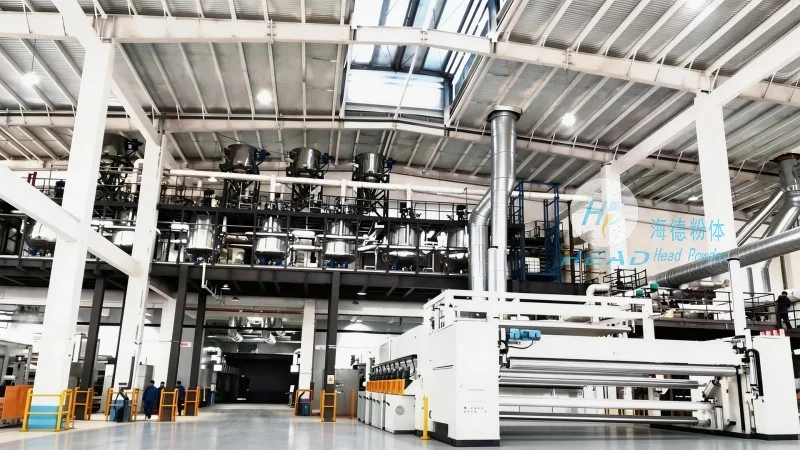
Understanding Pneumatic Conveying: The Core Principle
Pneumatic conveying systems utilize air or gas as the primary medium to transport bulk materials, including powders like quartz powder, through a network of pipes. This method operates on the principle of creating a pressure differential—either by generating positive pressure (blowing air into the system) or negative pressure (sucking air out)—to move the material. For quartz powder, which is typically fine and abrasive, the system design must account for factors like particle size, density, and flow characteristics to ensure smooth and consistent transport. The core components of a typical pneumatic conveying line include a feeding device, a conveying pipeline, a separation unit, and a discharge mechanism. Each component plays a critical role in maintaining the integrity of the quartz powder during transit, minimizing degradation or agglomeration.
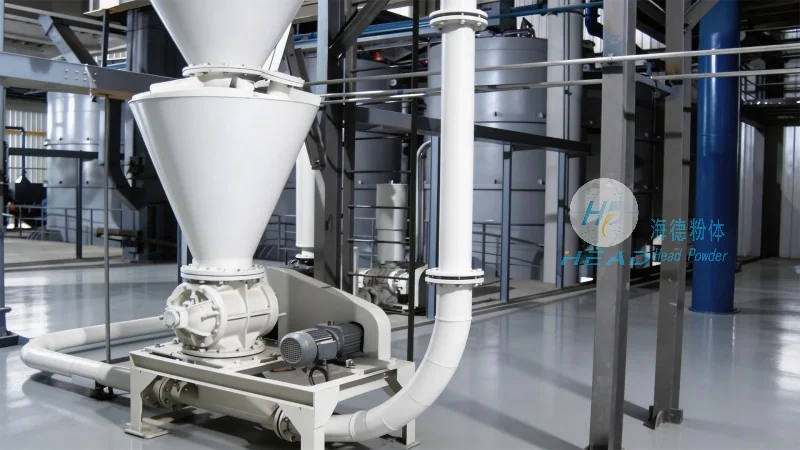
Key Working Scene Characteristics of Quartz Powder Pneumatic Conveying Lines
The working scene characteristics of quartz powder pneumatic conveying lines are defined by several critical attributes that enhance operational efficiency and adaptability. Firstly, the system offers high flexibility in terms of layout and integration with existing production lines. This allows for seamless integration from raw material storage to processing equipment, such as grinding mills or packaging machines, without the need for extensive infrastructure modifications. Secondly, the technology provides a dust-free and hygienic environment, which is particularly important for quartz powder applications where contamination control is paramount. By eliminating the need for manual handling or open-air transport, the system reduces the risk of particle loss and cross-contamination, aligning with stringent industrial hygiene standards. Thirdly, the energy efficiency of pneumatic conveying systems is a significant advantage, especially when compared to traditional methods like bucket elevators or belt conveyors. The use of optimized air flow and pressure control minimizes energy consumption while maintaining high throughput rates, contributing to cost savings and reduced operational expenses over time.

Real-World Applications and Operational Scenarios
In practical industrial settings, quartz powder pneumatic conveying lines are employed across a range of processes within the mineral processing and manufacturing sectors. A common scenario involves the transport of quartz powder from a bulk storage silo to a production line for further processing, such as grinding into finer grades or mixing with other additives. The system’s ability to handle high volumes of material at a consistent rate makes it ideal for continuous production environments, where downtime is minimized and productivity is maximized. Another typical application is in the packaging stage, where the conveyed quartz powder is transferred directly into packaging bags or containers. The precision and control offered by the pneumatic system ensure accurate filling, reducing waste and improving product quality. Additionally, the system’s adaptability allows for integration into automated production lines, where sensors and control systems monitor flow rates and pressure, enabling real-time adjustments to maintain optimal performance. This level of automation enhances operational reliability and reduces the need for manual intervention, further improving overall efficiency.
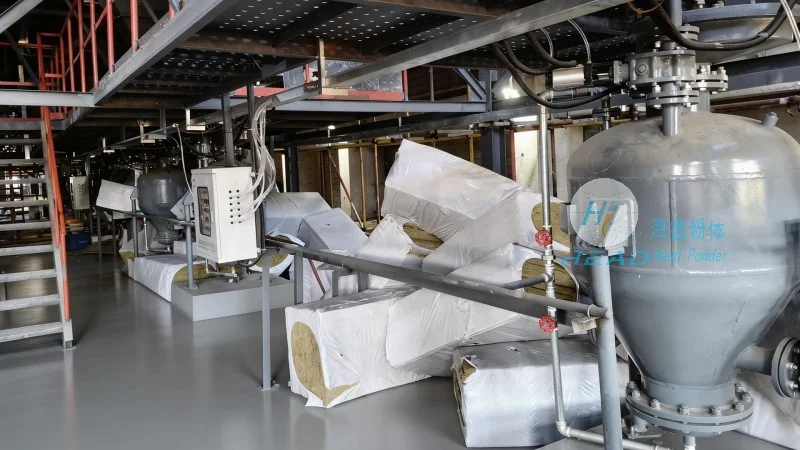
Advantages and Considerations for Quartz Powder Pneumatic Conveying
When evaluating the implementation of a quartz powder pneumatic conveying line, several advantages and considerations must be taken into account. The primary benefits include the ability to handle fine, abrasive materials without causing wear or damage to the system components, as the conveying process is gentler compared to mechanical methods. The system also offers scalability, allowing for adjustments in capacity based on production needs, from small-scale laboratory applications to large-scale industrial operations. However, challenges such as system maintenance and the need for regular cleaning of pipelines due to the abrasive nature of quartz powder must be addressed. Proper filtration and maintenance protocols are essential to prevent blockages and ensure long-term system reliability. Furthermore, the initial investment cost of pneumatic conveying systems can be higher than traditional alternatives, though the long-term operational savings and efficiency gains often justify the expenditure. Overall, the combination of efficiency, flexibility, and reliability makes quartz powder pneumatic conveying lines a preferred choice for industries requiring precise and consistent transport of fine powders.