

Principle and Working Scene Characteristics of a Potassium Carbonate Fertilizer Material Pneumatic C
For clients seeking efficient and reliable solutions for transporting potassium carbonate fertilizer materials, the pneumatic conveying line designed by Shandong HeadPowder Engineering Co., Ltd. offers a robust and versatile system. This article delves into the fundamental principles and key characteristics of such a system, providing insights into its operational effectiveness and suitability for various industrial applications.
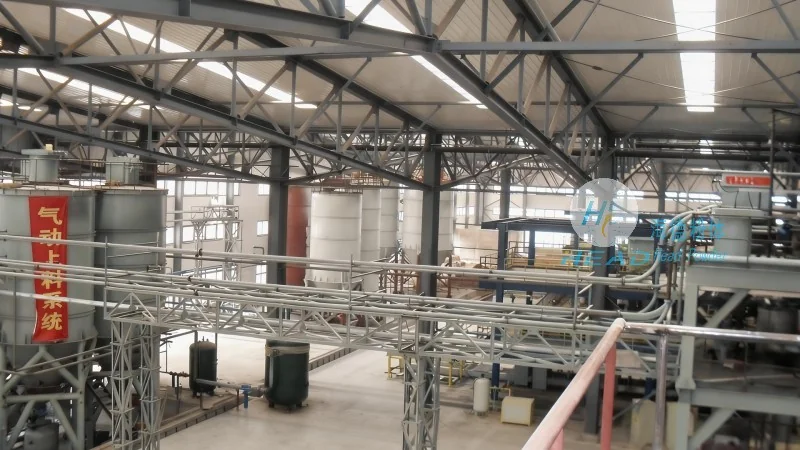
Introduction to Pneumatic Conveying Systems for Potassium Carbonate Fertilizer
Potassium carbonate, a critical component in modern agricultural fertilizers, requires specialized handling due to its granular or powdery nature. Traditional methods like belt conveyors or bucket elevators may struggle with material segregation, dust generation, and operational inefficiencies. Pneumatic conveying systems, however, address these challenges by utilizing air as the primary medium to transport materials through pipelines. This technology ensures a clean, dust-free, and continuous flow of potassium carbonate, making it ideal for high-volume production environments.
The Core Principle of Pneumatic Conveying
The fundamental principle of a pneumatic conveying line involves the use of compressed air to create a flow of material within a closed pipeline system. As air is introduced into the conveying line, it generates a pressure differential that propels the potassium carbonate particles forward. The system typically consists of a blower or compressor, a hopper for material storage, a feeder to control the flow rate, and a series of pipelines with appropriate fittings and valves. The design of the system is tailored to match the specific characteristics of the potassium carbonate fertilizer, including particle size, density, and moisture content, ensuring optimal performance.
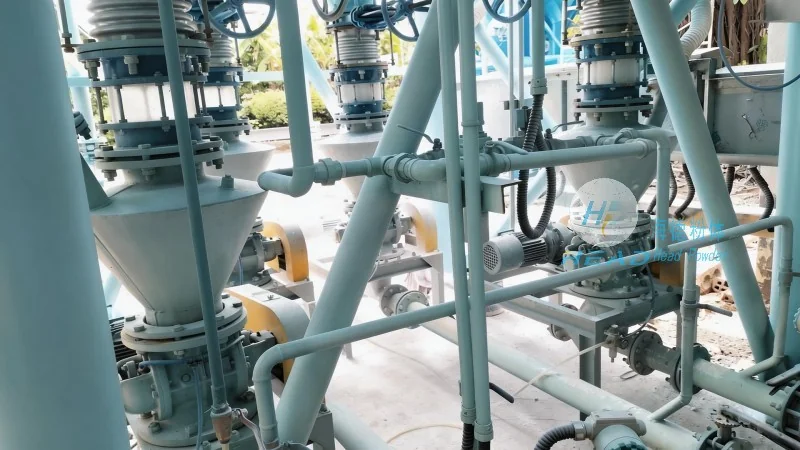
Key Components and Their Functions
Several critical components work in tandem to ensure the smooth operation of a pneumatic conveying line for potassium carbonate fertilizer. The blower or compressor serves as the power source, generating the necessary air pressure to move the material. The hopper, often equipped with a rotary valve or screw feeder, regulates the material discharge rate, preventing overloading and maintaining consistent flow. The pipelines, made from materials resistant to chemical corrosion (such as stainless steel or special plastics), are designed with bends and straight sections to accommodate the material's trajectory while minimizing pressure losses. Additionally, filters and cyclones are integrated to separate air from the conveyed material, ensuring the system remains clean and preventing dust accumulation in the environment.
Working Scene Characteristics and Application Benefits
The working scene characteristics of a pneumatic conveying line for potassium carbonate fertilizer are defined by its adaptability to diverse industrial settings. These systems are commonly employed in fertilizer production plants, where they facilitate the transfer of raw materials from storage silos to processing units, or from processing lines to packaging areas. The key advantages include reduced labor costs due to automated material handling, minimized material loss and contamination, and enhanced safety by eliminating manual handling of powders. Furthermore, the system's ability to operate in a closed loop reduces environmental impact by preventing dust emissions and improving overall air quality in the workplace.
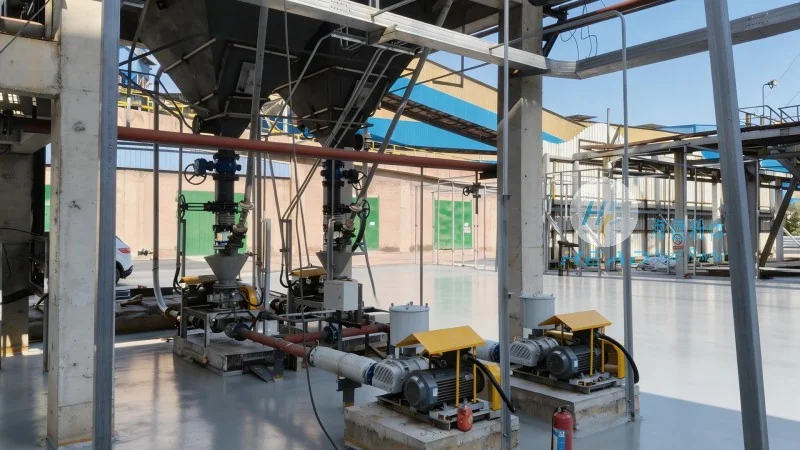
Operational Efficiency and Maintenance Considerations
Efficiency is a primary consideration when implementing a pneumatic conveying line for potassium carbonate fertilizer. The system's performance is directly influenced by factors such as air pressure, flow rate, and pipeline design. Proper maintenance, including regular cleaning of filters, inspection of pipelines for blockages, and monitoring of blower performance, is essential to maintain optimal operation. Shandong HeadPowder Engineering Co., Ltd. emphasizes the importance of regular maintenance to ensure the longevity and reliability of the system, minimizing downtime and maximizing productivity.
Conclusion
In conclusion, the pneumatic conveying line for potassium carbonate fertilizer, developed by Shandong HeadPowder Engineering Co., Ltd., represents a sophisticated solution for efficient material handling in the fertilizer industry. By leveraging the principles of pneumatic transport, this system offers advantages in terms of cleanliness, safety, and operational efficiency. With its adaptability to various production scales and industrial environments, it serves as a critical component in modern fertilizer manufacturing processes, ensuring consistent and reliable material transfer from source to destination.