

Principle and Application Characteristics of Glass Fiber Material Pneumatic Conveying Lines
Understanding the fundamental principles and practical applications of pneumatic conveying lines is crucial for industries dealing with glass fiber materials. These systems utilize air or gas to transport bulk materials like glass fibers through a pipeline network, offering a flexible and efficient method for material handling. The core concept revolves around creating a pressure differential to move the material, which can be either positive or negative pressure systems, depending on the specific requirements of the application.
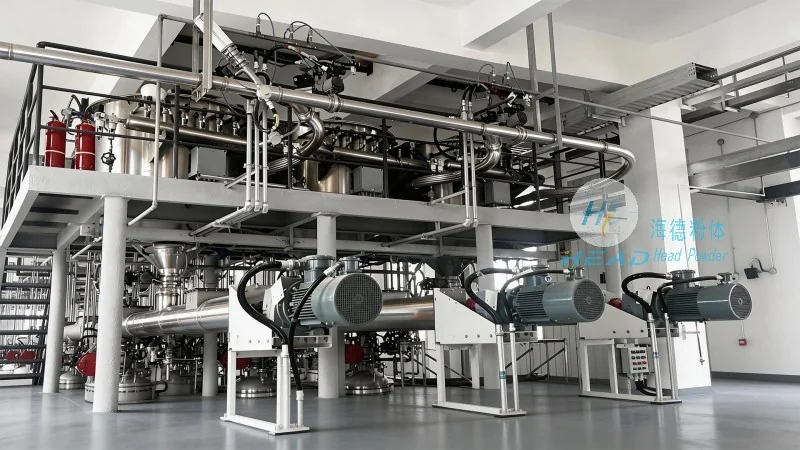
Working Principles of Glass Fiber Pneumatic Conveying Lines
The operation of a glass fiber pneumatic conveying line typically involves several key components and processes. At its heart, the system uses a blower or compressor to generate airflow, which then propels the glass fiber particles through the pipeline. The design of the conveying line, including the type of airlock, cyclone separator, and material feeders, is critical to ensure efficient and reliable transport. For glass fibers, which are often lightweight and abrasive, specialized equipment is employed to prevent clogging and maintain material integrity. The system's performance is influenced by factors such as the material's density, particle size, and moisture content, all of which are carefully considered during the design phase.
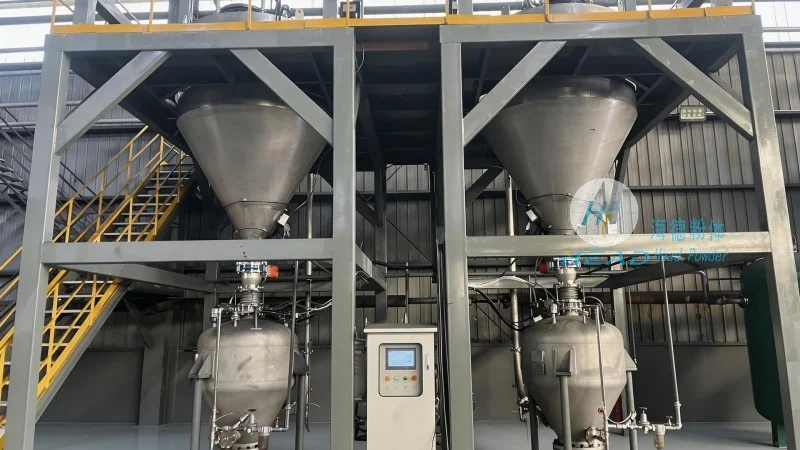
Key Components and Their Functions in Glass Fiber Pneumatic Conveying
Several essential components work in tandem to ensure the smooth operation of a glass fiber pneumatic conveying line. The material feeder, often a rotary valve or screw feeder, controls the flow rate of the glass fibers into the system, preventing overloading and maintaining consistent pressure. The airlock, typically a rotary or sliding valve, acts as a seal between the feeder and the pipeline, preventing air from escaping and material from backflowing. The conveying line itself, made from materials resistant to abrasion and corrosion, such as stainless steel or specialized plastics, ensures durability and longevity. The cyclone separator or filter system is crucial for separating the glass fibers from the air stream, allowing the material to be collected at the destination and the air to be recycled or vented. Each component is engineered to handle the unique properties of glass fibers, such as their low density and potential for static charge, which can affect flow and separation efficiency.
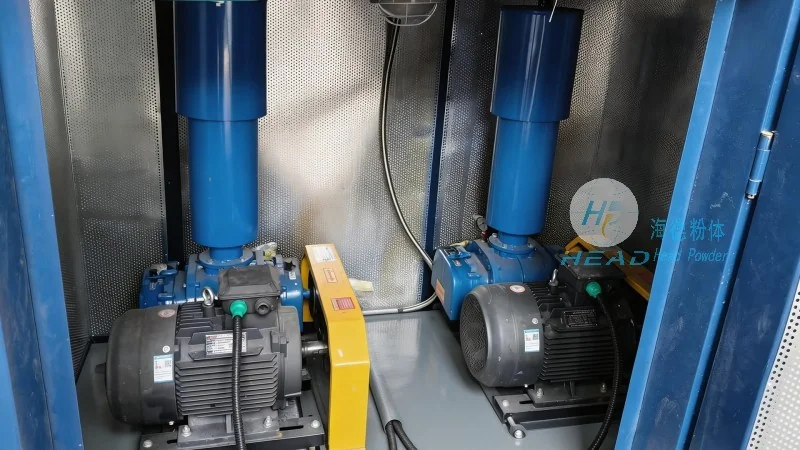
Application Characteristics and Use Cases
Glass fiber pneumatic conveying lines are widely used in various industrial settings due to their adaptability and efficiency. One common application is in the manufacturing of composite materials, where glass fibers are transported from storage silos to production lines for mixing with resins. Another key use case is in the textile industry, where glass fibers are conveyed to spinning machines for processing into fibers or yarns. The system's ability to handle fine powders and maintain material purity makes it ideal for applications in the aerospace and automotive sectors, where high-quality glass fibers are essential for manufacturing components. Additionally, in the construction industry, glass fiber materials are often used in insulation and reinforcement products, and pneumatic conveying lines facilitate their transport from storage to production sites. The versatility of these systems allows them to be integrated into existing production lines or used as standalone solutions for material handling needs.
Advantages of Using Pneumatic Conveying for Glass Fiber Materials
Implementing a pneumatic conveying line for glass fiber materials offers several advantages over traditional methods like belt conveyors or bucket elevators. One of the primary benefits is the ability to handle fine, abrasive materials without the need for mechanical contact, which reduces wear and tear on equipment and extends its lifespan. The system also provides a closed-loop operation, minimizing dust emissions and improving workplace safety. This is particularly important for glass fibers, which can generate airborne particles that may be hazardous if inhaled. Furthermore, pneumatic conveying allows for flexible routing, enabling the material to be transported to multiple destinations or integrated into different production stages without the need for complex reconfiguration. The system's compact design and low space requirements make it suitable for facilities with limited floor space, and its ability to handle varying material flow rates ensures efficient operation even during peak production periods.
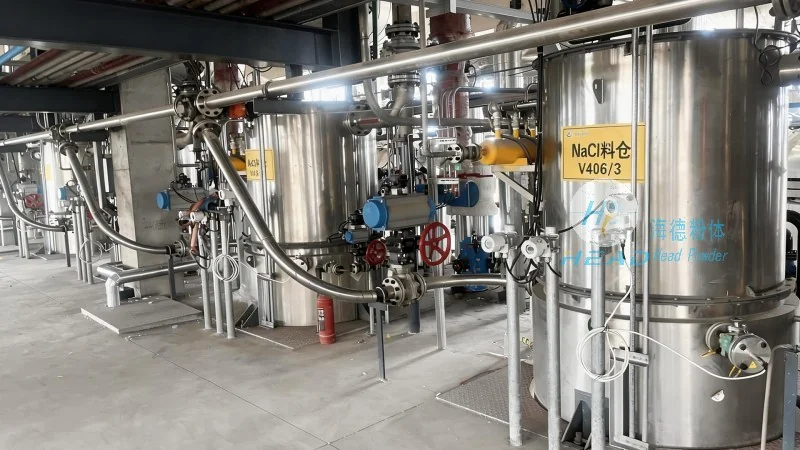
Considerations for Design and Installation
When designing and installing a glass fiber pneumatic conveying line, several factors must be carefully considered to ensure optimal performance and longevity. The first step is to assess the material's properties, including its density, particle size distribution, and moisture content, as these parameters directly impact the system's design. The choice of air velocity is critical; too low a velocity may cause material settling, while too high a velocity can lead to excessive wear on the pipeline and components. The system's layout, including the number and placement of bends, vertical and horizontal runs, and the location of the cyclone separator, must be optimized to minimize pressure drop and energy consumption. Material selection for the pipeline and components is also important, as glass fibers can be abrasive and may cause corrosion over time. Stainless steel or high-quality plastic materials are commonly used to withstand the wear and potential chemical interactions with the glass fibers. Additionally, the inclusion of a filter system or dust collection unit is essential to maintain air quality and comply with environmental regulations. Proper maintenance, including regular cleaning of the cyclone separator and inspection of the airlock and feeder, is necessary to prevent clogging and ensure consistent operation.