

Principle and Working Scene Characteristics of Pneumatic Conveying Equipment for High-Alumina Fly As
High-alumina fly ash is a byproduct of coal combustion in thermal power plants, characterized by its high alumina content and fine particle size. The efficient handling and transportation of this material are crucial for industrial processes, and pneumatic conveying systems have emerged as a reliable solution. This article explores the principles behind high-alumina fly ash pneumatic conveying equipment, along with its typical application scenarios, to provide a comprehensive understanding for industry professionals.
Introduction to High-Alumina Fly Ash and Pneumatic Conveying
High-alumina fly ash, often referred to as FA, is a fine powder resulting from the combustion of coal with a high aluminum oxide (Al₂O₃) content. It is commonly used in construction materials, such as cement and concrete, due to its pozzolanic properties. Traditional methods of transporting fly ash, like belt conveyors or trucks, may face challenges like dust emission, material degradation, and operational inefficiencies. Pneumatic conveying, which uses air to transport bulk materials through a pipeline system, offers a dust-free, low-maintenance, and flexible alternative. The equipment designed for high-alumina fly ash must be robust, capable of handling abrasive particles, and optimized for the material's specific characteristics.
HeadPowder Engineering: Expert in Pneumatic Conveying Solutions
Shandong HeadPowder Engineering Co., Ltd. specializes in the design, manufacturing, and installation of advanced pneumatic conveying systems tailored to the needs of high-alumina fly ash applications. With a focus on durability and efficiency, HeadPowder's solutions are engineered to meet the demanding requirements of industrial environments. The company's expertise lies in understanding the unique properties of high-alumina fly ash and translating them into effective conveying systems. By leveraging years of experience in the field, HeadPowder ensures that its equipment delivers reliable performance and long-term value to clients.
The Principle of Pneumatic Conveying for High-Alumina Fly Ash
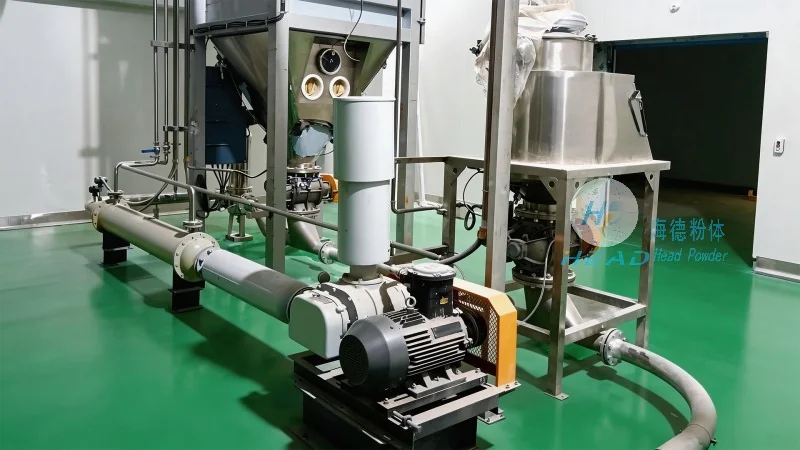
Pneumatic conveying operates on the principle of transporting bulk materials by suspending them in a stream of air within a pipeline. For high-alumina fly ash, this process involves several key components and mechanisms. The system typically includes a hopper for material storage, a blower or compressor to generate the air flow, a pipeline network to guide the material, and a discharge point for the conveyed material. The conveying mode can be classified as either dilute-phase or dense-phase, depending on the air-to-material ratio. Dilute-phase conveying uses higher air velocities to keep particles suspended, suitable for longer distances and larger volumes. Dense-phase conveying, on the other hand, uses lower air velocities and higher material concentrations, ideal for short distances and preventing material degradation. The selection of the conveying mode depends on the specific characteristics of the high-alumina fly ash, such as particle size, moisture content, and flowability.
Key Components of High-Alumina Fly Ash Pneumatic Conveying Equipment
The effectiveness of a pneumatic conveying system for high-alumina fly ash is determined by its well-designed components. Each part plays a critical role in ensuring smooth operation and material integrity. The hopper is designed to store the fly ash and provide a consistent feed to the system. It often includes a feeder, such as a rotary valve or screw feeder, to control the material flow rate. The blower or compressor generates the necessary air pressure and flow to move the material through the pipeline. The pipeline itself is constructed from materials resistant to abrasion and corrosion, such as stainless steel or special alloys, to withstand the high-alumina fly ash's abrasive nature. The system may also include filters and cyclones to separate the material from the air at the discharge point, ensuring clean air release and preventing material loss. Additionally, control systems are integrated to monitor and adjust the conveying parameters in real-time, optimizing performance and preventing system failures.
Working Scene Characteristics of High-Alumina Fly Ash Pneumatic Conveying
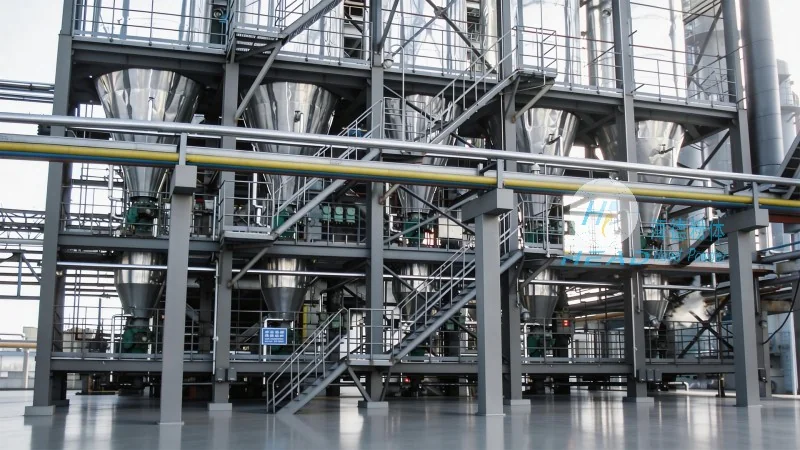
The application scenarios for high-alumina fly ash pneumatic conveying vary across different industries, each with its own unique requirements. Understanding these characteristics helps in selecting the appropriate system for specific needs. In thermal power plants, the equipment is used to transport fly ash from the boiler to storage silos or processing facilities. The system must handle large volumes of material and operate continuously, often under high ambient temperatures. In cement and concrete production plants, the conveying equipment delivers fly ash to mixing stations, where it is incorporated into the final product. The system must ensure consistent material flow and maintain the quality of the fly ash, as it directly impacts the properties of the end product. In industrial waste management facilities, the equipment may be used to transport fly ash for recycling or disposal, requiring compliance with environmental regulations. The working scene characteristics also include factors like space constraints, existing infrastructure, and operational safety, which influence the design and layout of the pneumatic conveying system.
Advantages of Using Pneumatic Conveying for High-Alumina Fly Ash
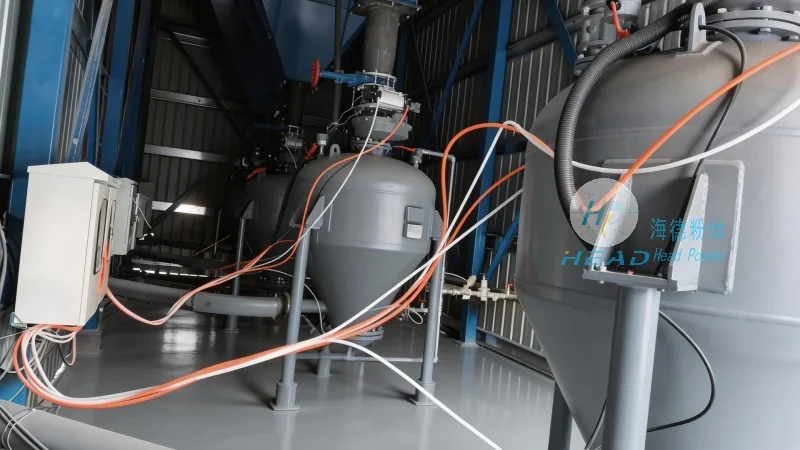
Compared to traditional conveying methods, pneumatic conveying offers several advantages for high-alumina fly ash. Firstly, it provides a dust-free environment, reducing health hazards and environmental pollution. The enclosed pipeline system prevents dust emissions, making it suitable for indoor or enclosed applications. Secondly, it offers high efficiency in material transportation, with the ability to move large volumes over long distances with minimal energy consumption. The system's flexibility allows for easy integration with existing facilities and adaptability to changing production needs. Thirdly, it reduces material degradation and loss, as the enclosed system minimizes exposure to external factors. The abrasive nature of high-alumina fly ash can cause wear on equipment, but modern designs incorporate wear-resistant materials and components to extend the system's lifespan. Finally, pneumatic conveying systems are low-maintenance, with fewer moving parts compared to mechanical conveyors, resulting in lower operational costs and downtime.
Conclusion: The Role of High-Alumina Fly Ash Pneumatic Conveying Equipment
High-alumina fly ash pneumatic conveying equipment plays a vital role in modern industrial processes, enabling efficient and safe handling of this valuable material. By understanding the principles and working scene characteristics of such systems, industries can make informed decisions about their material handling strategies. Shandong HeadPowder Engineering Co., Ltd. stands as a trusted partner in providing tailored pneumatic conveying solutions that meet the specific needs of high-alumina fly ash applications. With its expertise and commitment to quality, HeadPowder continues to advance the technology and support clients in optimizing their material transportation processes.