

Principle and Working Scene Characteristics of Pneumatic Conveying Equipment for Lightweight Cement
HeadPowder, a leading manufacturer in the field of material handling solutions, specializes in the design and production of pneumatic conveying equipment tailored for the transportation of lightweight cement materials. This article delves into the fundamental principles of such equipment, exploring how it operates and the specific scenarios where it excels in industrial applications.
Understanding the Core Principle of Pneumatic Conveying
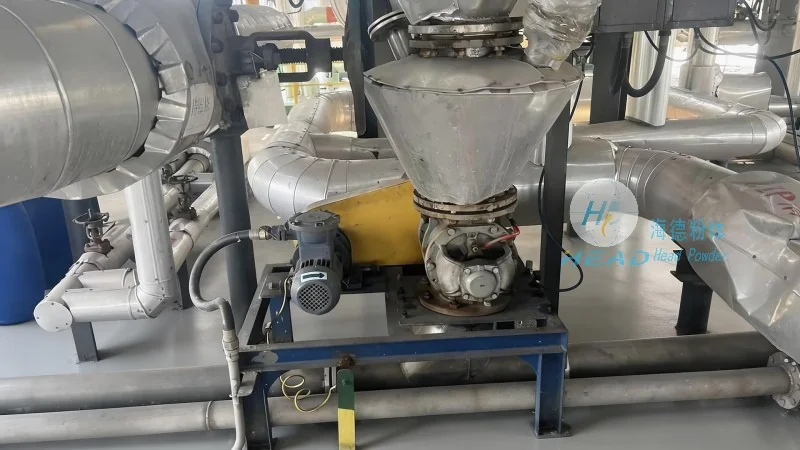
The pneumatic conveying system for lightweight cement materials operates on the principle of using compressed air to transport bulk materials through a pipeline. Unlike traditional mechanical conveying methods, this system eliminates the need for moving parts in the conveying line, reducing maintenance requirements and enhancing operational efficiency. The process involves generating a flow of air within the pipeline, which then entrains the lightweight cement particles and propels them from the source to the destination. This method is particularly effective for materials with low bulk density, as it can handle the material's light weight and fine particle characteristics without the risk of clogging or degradation.
Key Components and Their Functions
The pneumatic conveying equipment for lightweight cement materials typically consists of several critical components, each playing a vital role in the overall system. These include the material hopper, which serves as the storage and feeding unit; the air compressor, responsible for generating the necessary pressure to move the material; the conveying pipeline, which forms the path for material transport; and the discharge unit, where the material is released at the destination. Additionally, the system may incorporate features such as air filters and pressure regulators to ensure optimal performance and prevent contamination. Each component is engineered to work in harmony, ensuring a smooth and continuous flow of lightweight cement materials with minimal downtime.
Working Scene Characteristics and Applications
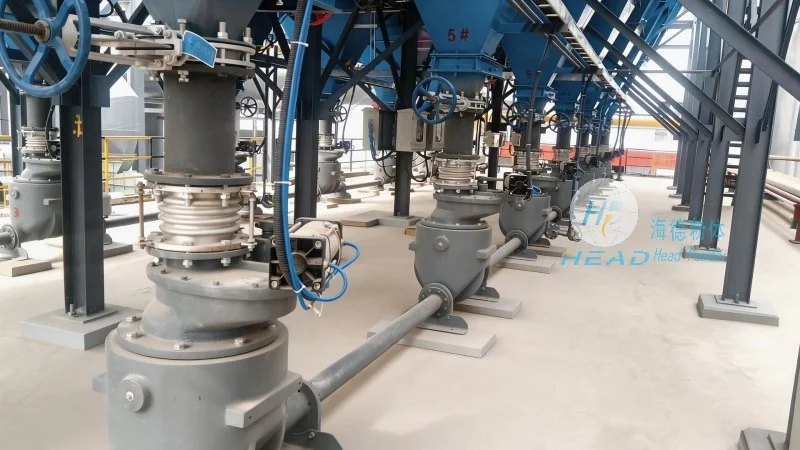
The pneumatic conveying equipment for lightweight cement materials is designed to meet the demands of various industrial scenarios. Its primary applications include the transportation of lightweight cement from storage silos to production lines, the transfer of materials between different processing stages, and the handling of fine powders in construction and manufacturing facilities. The system's ability to handle lightweight materials efficiently makes it ideal for applications where traditional conveying methods may struggle due to the material's low density and fine particle size. For instance, in the production of lightweight concrete or insulation materials, this equipment ensures a consistent and reliable supply of cement, contributing to the overall quality and productivity of the manufacturing process.
Advantages and Benefits in Industrial Settings
Implementing pneumatic conveying equipment for lightweight cement materials offers numerous advantages for industrial operations. One of the most significant benefits is the reduction in labor costs and maintenance expenses, as the system requires minimal human intervention and has fewer moving parts compared to mechanical conveyors. Additionally, the equipment provides a clean and dust-free conveying process, which is crucial in environments where material contamination or air quality is a concern. The system also offers flexibility in terms of layout and installation, allowing it to be integrated into existing production lines without major modifications. Furthermore, the energy efficiency of pneumatic conveying systems contributes to lower operational costs and a smaller environmental footprint, making it a sustainable choice for modern industrial applications.

Company Profile: Shandong HeadPowder Engineering Co., Ltd.
HeadPowder, officially known as Shandong HeadPowder Engineering Co., Ltd., is a reputable company based in Shandong, China. With a strong commitment to innovation and quality, the company has established itself as a leading provider of material handling solutions, including pneumatic conveying equipment for various industrial applications. HeadPowder's team of experienced engineers and technicians focuses on developing customized solutions that meet the specific needs of clients, ensuring that each product is tailored to the unique requirements of the application. The company adheres to strict quality control standards and uses advanced manufacturing techniques to produce reliable and durable equipment that delivers consistent performance in demanding industrial environments.
Conclusion and Future Outlook
In conclusion, the pneumatic conveying equipment for lightweight cement materials is a sophisticated and efficient solution for transporting lightweight bulk materials in industrial settings. By leveraging the principles of air movement and material entrainment, this system offers numerous benefits, including reduced maintenance, improved cleanliness, and enhanced operational flexibility. As industries continue to seek more efficient and sustainable material handling solutions, the demand for such equipment is expected to grow, driven by the need for higher productivity and lower operational costs. HeadPowder, with its expertise and commitment to quality, remains at the forefront of providing advanced material handling solutions that meet the evolving needs of the industry.