

Operating Process and Working Principle of Vacuum Suction Type Pneumatic Conveying
HeadPowder, a leading manufacturer in the field of pneumatic conveying systems, specializes in providing advanced solutions for material handling. Based in Shandong, China, the company has established itself as a trusted provider of high-quality equipment tailored to diverse industrial needs. This article delves into the operating process and working principle of vacuum suction type pneumatic conveying, a technology widely used for efficient and reliable material transport in various industries.

Vacuum suction type pneumatic conveying systems operate by creating a negative pressure environment within the conveying line. This is achieved through a vacuum pump or a fan that draws air and material particles into the system. The process begins with the material being fed into the hopper or inlet of the system. From there, the material is drawn into the conveying line by the vacuum created by the pump. The air and material mixture travels through the pipeline, often with the assistance of a venturi or other components to maintain flow and prevent blockages.
The working principle of this system relies on the fundamental principle of fluid dynamics and air movement. By reducing the pressure in the conveying line below atmospheric pressure, the system creates a suction force that pulls material particles along with the air stream. The material is then transported to the discharge point, where the air and material are separated. The air is typically released into the atmosphere, while the material is collected in a receiving hopper or container.
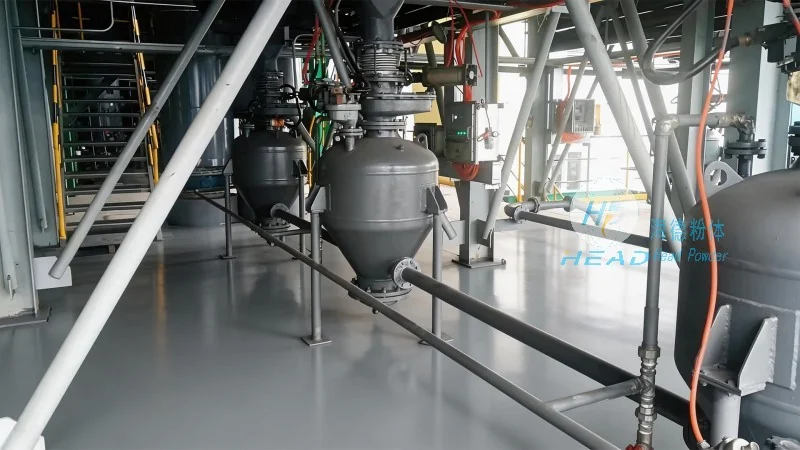
Key components of a vacuum suction type pneumatic conveying system include the vacuum pump, hopper, inlet valve, conveying line, venturi, and discharge unit. The vacuum pump is responsible for generating the necessary suction force, while the hopper holds the material to be conveyed. The inlet valve controls the flow of material into the system, and the conveying line transports the material and air mixture. The venturi, if present, helps to maintain the flow velocity and prevent material deposition in the line. The discharge unit separates the material from the air and directs the material to its final destination.
The operating process of the system involves several steps. First, the material is loaded into the hopper. Then, the vacuum pump is activated, creating a negative pressure in the conveying line. The material is drawn from the hopper into the inlet valve and then into the conveying line. The material travels through the line, with the air providing the necessary force to move it. At the discharge point, the air and material are separated, and the material is collected. The system can be controlled manually or automatically, depending on the specific requirements of the application.
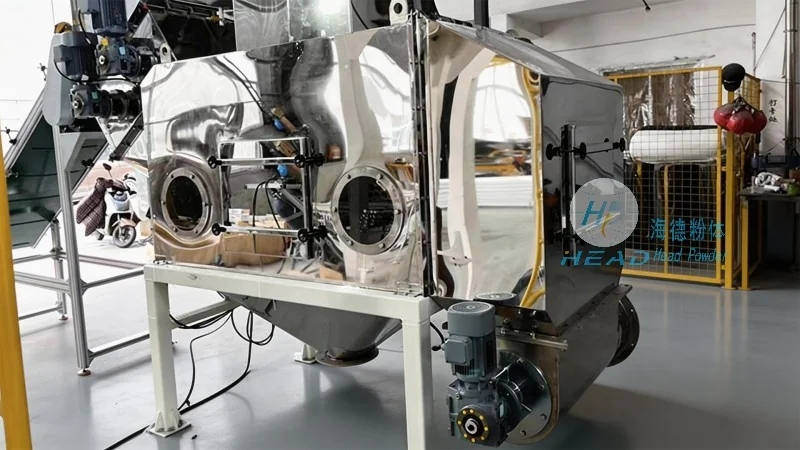
Advantages of vacuum suction type pneumatic conveying include its ability to handle a wide range of materials, from fine powders to bulk solids. It is also suitable for conveying materials over long distances and through complex layouts of pipelines. The system is relatively simple in design, with fewer moving parts compared to other types of pneumatic conveying systems. This reduces maintenance requirements and increases reliability. Additionally, the system can be integrated with other equipment, such as mixers or classifiers, to form a complete material handling system.
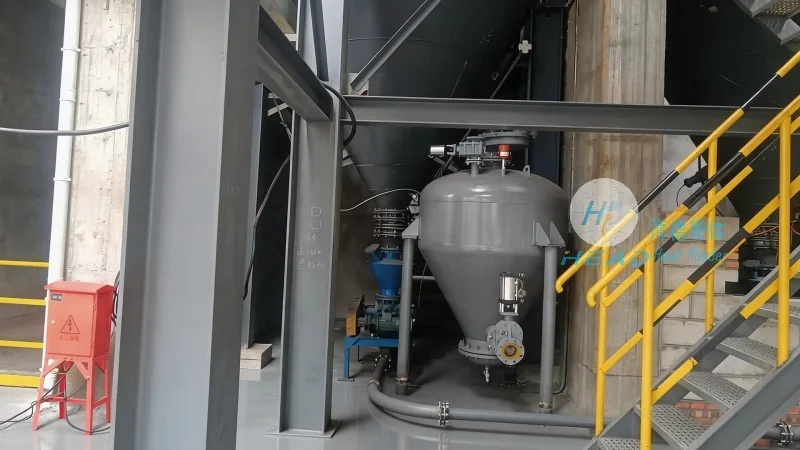
Applications of vacuum suction type pneumatic conveying include the food and pharmaceutical industries, where the system can handle sensitive materials without contamination. It is also used in the chemical and petrochemical industries for transporting powders and granules. The system is suitable for conveying materials in environments where dust control is critical, as the vacuum helps to contain dust and prevent it from escaping into the atmosphere.
In conclusion, vacuum suction type pneumatic conveying is an efficient and reliable method for material transport. The system operates by creating a negative pressure environment and using air to move material particles. With its ability to handle a wide range of materials and its simple design, it is a popular choice in many industries. HeadPowder, with its expertise in pneumatic conveying systems, provides high-quality equipment and solutions tailored to the specific needs of its clients.