

Operation Process and Working Principle of Cereal Pneumatic Conveying Systems
Cereal pneumatic conveying systems are advanced industrial solutions designed to efficiently transport bulk cereal products, such as oats, wheat, corn, and other grain-based materials, from one location to another within a processing facility or between different stages of production. These systems utilize air as the primary medium to move the material, offering advantages like reduced contamination risk, improved hygiene, and the ability to handle delicate or sensitive products without mechanical contact. The operation of these systems is based on the principle of creating a pressure differential that propels the material through a pipeline network, making them a preferred choice in the food processing industry for applications ranging from raw material handling to finished product distribution. HeadPowder, a leading manufacturer of such systems, specializes in providing customized solutions tailored to the specific needs of food processing facilities.
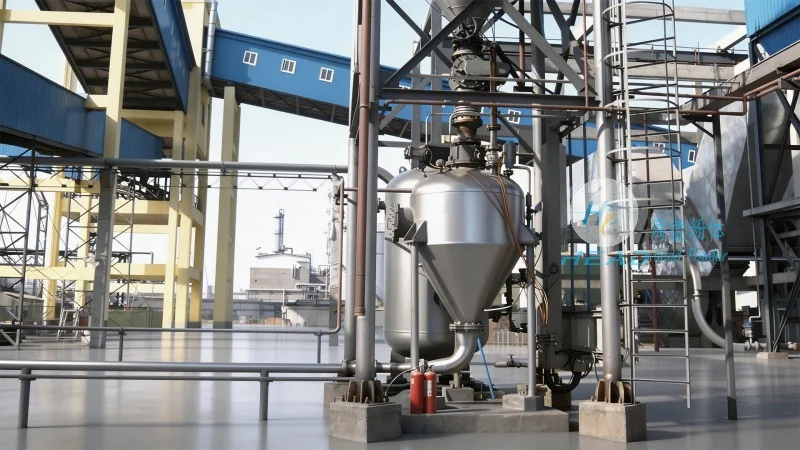
Key Components of a Cereal Pneumatic Conveying System
At the core of a cereal pneumatic conveying system are several critical components that work in tandem to ensure smooth and reliable operation. The primary components include a material hopper or feeder, which stores and feeds the cereal into the system; a conveyor line or pipeline system that transports the material; a blower or air compressor that generates the necessary air pressure; and a receiver or discharge hopper where the material is collected. Additionally, auxiliary components like filters, cyclones, and pressure relief valves are often integrated to maintain system efficiency and safety. Each component is engineered to handle the specific characteristics of cereal products, ensuring optimal performance and minimal product degradation. HeadPowder's systems incorporate high-quality materials and precision engineering to ensure durability and long-term reliability.
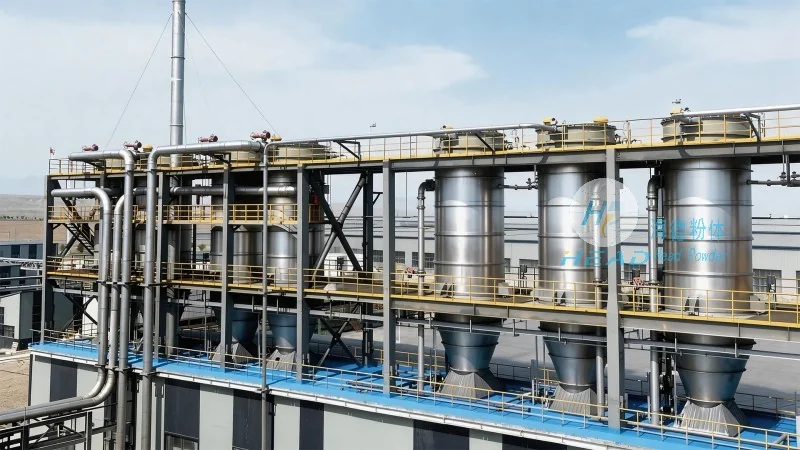
Operation Process of the Cereal Pneumatic Conveying System
The operation of a cereal pneumatic conveying system typically follows a sequential process that begins with material loading into the hopper. The feeder then regulates the flow of cereal into the conveyor line, while the blower generates a flow of air that creates a negative pressure within the pipeline. As the air moves through the system, it draws the cereal particles along with it, forming a slurry or dense phase flow that is propelled to the receiver. The system maintains a consistent air flow rate and pressure to ensure uniform material transport, with adjustments made as needed to accommodate variations in material density or flow rate. The receiver collects the conveyed cereal, which is then discharged for further processing or packaging. Throughout the process, the system monitors key parameters such as air pressure, flow rate, and material level to ensure stable operation and prevent issues like blockages or air leaks. HeadPowder's control systems provide real-time monitoring and automated adjustments to maintain optimal performance.
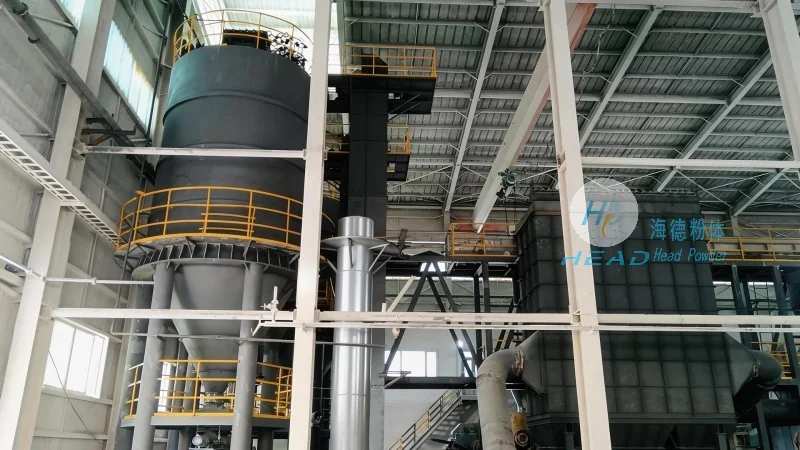
Working Principle of the Cereal Pneumatic Conveying System
The working principle of a cereal pneumatic conveying system is based on the fundamental physics of fluid dynamics and particle transport. The system operates by creating a pressure differential between the inlet and outlet of the conveyor line. The blower supplies compressed air into the inlet, while the outlet is connected to the receiver under a lower pressure (or atmospheric pressure). This pressure difference generates a flow of air that moves through the pipeline, carrying the cereal particles with it. The movement of air creates a drag force on the particles, which are then accelerated and transported along the pipeline. The system can operate in either dense phase or dilute phase modes, depending on the air-to-material ratio. In dense phase operation, the air flow is lower, resulting in a higher material concentration in the pipeline, which reduces particle impact and minimizes wear on the system components. In dilute phase operation, the air flow is higher, leading to a lower material concentration and faster transport, but with a higher risk of particle degradation or system wear. The choice of operation mode depends on the specific characteristics of the cereal product and the requirements of the application. HeadPowder's systems are designed to support both modes, allowing for flexibility in operation.
Advantages of Using Cereal Pneumatic Conveying Systems
Implementing a cereal pneumatic conveying system offers several significant advantages over traditional mechanical conveying methods. One of the primary benefits is the reduction in product contamination, as the system uses enclosed pipelines and minimal contact with the material, ensuring that the cereal remains clean and free from external contaminants. This is particularly important in food processing applications, where strict hygiene standards are mandatory. HeadPowder's systems are engineered with high-quality materials and advanced filtration systems to maintain product purity throughout the conveying process. Additionally, the system provides improved hygiene and sanitation, making it suitable for food processing applications where strict standards are required. The use of air as the conveying medium also reduces the risk of product breakage or damage, which is particularly important for delicate cereal products. Another advantage is the ability to handle a wide range of material sizes and shapes, from fine powders to larger granules, without the need for additional processing steps. The system also offers flexibility in terms of layout, as the conveyor lines can be configured in various configurations to suit the specific layout of a processing facility. HeadPowder's modular design allows for easy installation and maintenance, reducing downtime and operational costs.
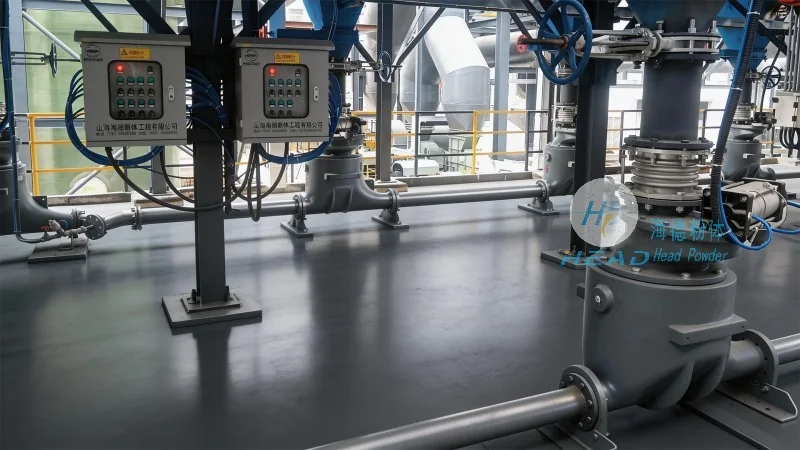
Applications of Cereal Pneumatic Conveying Systems
Cereal pneumatic conveying systems are widely used in various applications within the food processing industry. In raw material handling, these systems are used to transport cereal from storage silos or trucks to processing plants, ensuring a continuous and efficient supply of raw materials. During the processing stage, the system can be used to move cereal between different processing units, such as cleaning, drying, or milling operations. In the final stages of production, the system is employed to transport finished cereal products, such as breakfast cereals or flour, to packaging lines or storage facilities. The system is also used in the distribution of cereal products, where it can transport bulk quantities of product from a manufacturing facility to a distribution center or warehouse. Additionally, cereal pneumatic conveying systems are used in the production of other food products that involve cereal ingredients, such as baked goods or snack foods. The versatility of these systems makes them suitable for a wide range of applications, from small-scale operations to large-scale industrial facilities. HeadPowder's solutions have been successfully implemented in facilities across China, including Shandong, providing reliable and efficient material handling solutions for food processing industries.