

Operation Process and Working Principle of Yellow Sand Pneumatic Conveying System
Yellow sand pneumatic conveying systems are essential equipment in various industrial applications, particularly for the efficient transportation of bulk materials like yellow sand. Understanding the operation process and working principle of such systems is crucial for optimizing performance and ensuring reliable material handling. This article provides a detailed overview of the key components, operational steps, and underlying principles that govern the functionality of these systems, presented by Shandong HeadPowder Engineering Co., Ltd., a leading provider in the field.
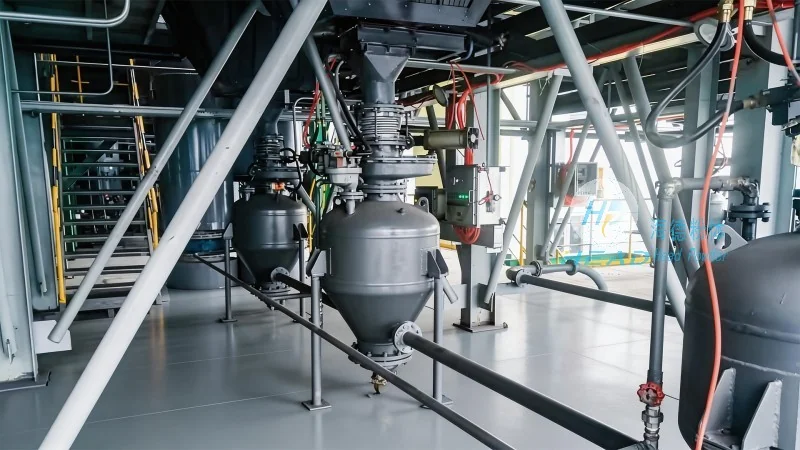
Key Components of a Yellow Sand Pneumatic Conveying System
A typical yellow sand pneumatic conveying system comprises several critical components that collaborate to achieve efficient material transport. The material hopper is the primary storage unit, where yellow sand is loaded and prepared for transport. It is designed with a hopper shape to facilitate the flow of sand into the feeder. The feeder, often a rotary valve or screw feeder, regulates the flow rate of the sand, ensuring a consistent and controlled feed into the conveying line. The air compressor is a vital component that generates the necessary compressed air to create the conveying medium. It operates at pressures typically ranging from 0.5 to 1.5 bar, depending on the system's requirements and the distance to be covered. The conveying line, usually made of stainless steel or PVC, transmits the sand under pressure. The line is equipped with bends and fittings to direct the flow, and its diameter is selected based on the material's particle size and the desired flow rate. The dust collector, or cyclone separator, captures any airborne particles, maintaining air quality and preventing dust accumulation in the system. It is typically located at the discharge end of the pipeline, where the air-sand mixture is separated by centrifugal force.

Working Principle of the Pneumatic Conveying Process
The working principle of a yellow sand pneumatic conveying system is based on the use of compressed air to transport the material. When the feeder introduces yellow sand into the conveying line, the air compressor supplies high-pressure air. This air creates a flow that entrains the sand particles, forming a slurry-like mixture. The air-sand mixture travels through the pipeline under pressure, moving from the hopper to the discharge point. The velocity of the air is carefully controlled to ensure that the sand particles are fully suspended and transported without causing excessive wear or blockages. The system may employ different conveying modes, such as dilute phase or dense phase, based on the material characteristics and the distance to be covered. Dilute phase conveying uses higher air velocities (typically 20-30 m/s) to transport the sand in a more dispersed state, which is suitable for short distances (up to 100 meters). Dense phase conveying, on the other hand, uses lower velocities (around 5-10 m/s) to move the material in a more concentrated form, which is beneficial for longer distances (up to several hundred meters) or for sensitive materials that require gentler handling. The choice of conveying mode depends on factors like particle size, density, and the need for minimal material degradation.
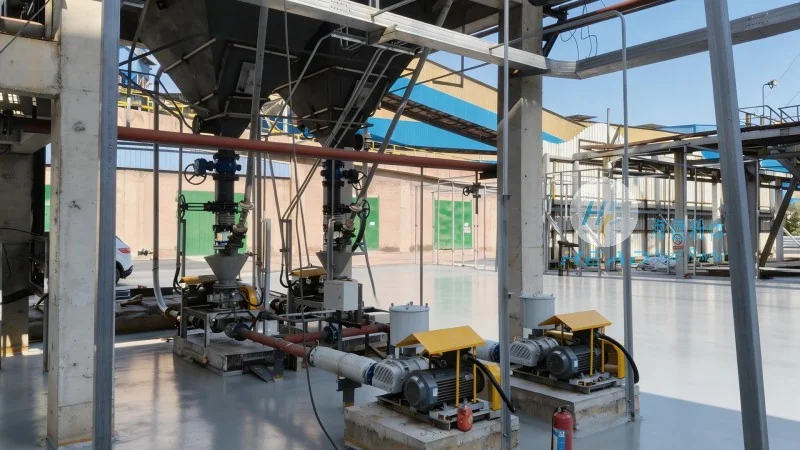
Operation Process: Step-by-Step Guide
The operation process of a yellow sand pneumatic conveying system involves several sequential steps to ensure smooth and efficient material handling. First, the system is prepared by loading the material hopper with yellow sand. The feeder is then activated to regulate the feed rate, ensuring a steady flow into the conveying line. The air compressor is started, and the pressure is adjusted to the required level for the specific conveying mode. As the compressed air flows through the pipeline, it picks up the sand particles from the hopper and transports them to the discharge point. The dust collector operates concurrently to capture any particles that may escape, maintaining air quality and preventing contamination. The system continues to run until the material hopper is emptied or the desired amount of sand has been transported. After the operation, the system is shut down by first stopping the air compressor, then the feeder, and finally the dust collector. Proper maintenance procedures, such as cleaning the hopper and pipeline, are performed to prevent clogging and ensure long-term reliability. Regular checks of the air compressor, feeder, and dust collector are also conducted to ensure optimal performance and identify any potential issues before they become major problems.