

Operation Process and Working Principle of a Mineral Sand Pneumatic Conveying System
For industrial applications involving the transport of mineral sands, a pneumatic conveying system offers an efficient and reliable solution. This article delves into the operation process and working principle of such a system, highlighting its key components, operational steps, and the engineering expertise behind its design and implementation.
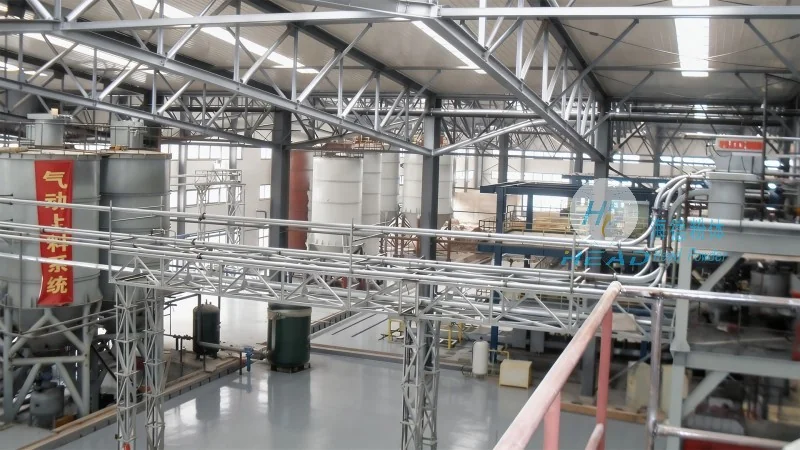
Introduction to Mineral Sand Pneumatic Conveying Systems
Mineral sand pneumatic conveying systems are widely used in industries like mining, chemical processing, and material handling to transport bulk materials over short to medium distances. These systems utilize compressed air or gas to move dry, free-flowing materials through a pipeline network. The technology is particularly advantageous for handling abrasive or dusty materials, as it eliminates the need for mechanical components like belts or buckets that can wear out quickly under harsh conditions.
Key Components of a Pneumatic Conveying System
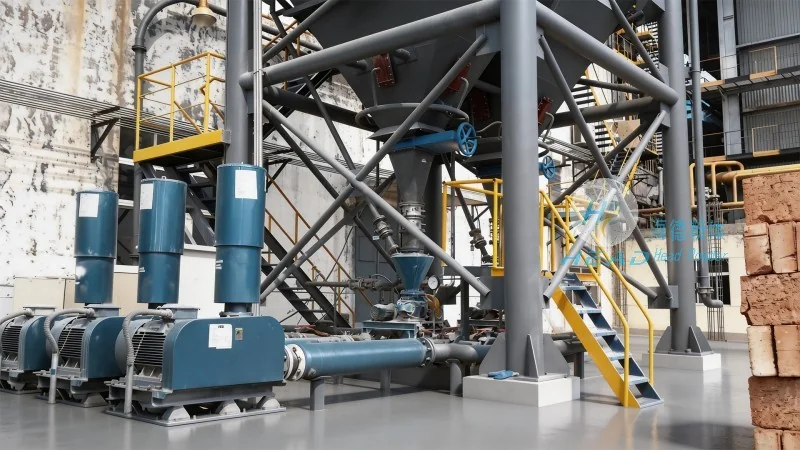
The core components of a mineral sand pneumatic conveying system include the material hopper, feeder, air compressor, pipeline network, and receiver. The material hopper stores the mineral sand and feeds it into the system at a controlled rate. The feeder, often a rotary valve or screw feeder, ensures a consistent flow of material into the pipeline. The air compressor generates the necessary pressure to move the material through the system. The pipeline network consists of straight sections, bends, and expansion joints to guide the material from the hopper to the receiver. The receiver collects the material at the end of the pipeline and discharges it into a storage or processing area.
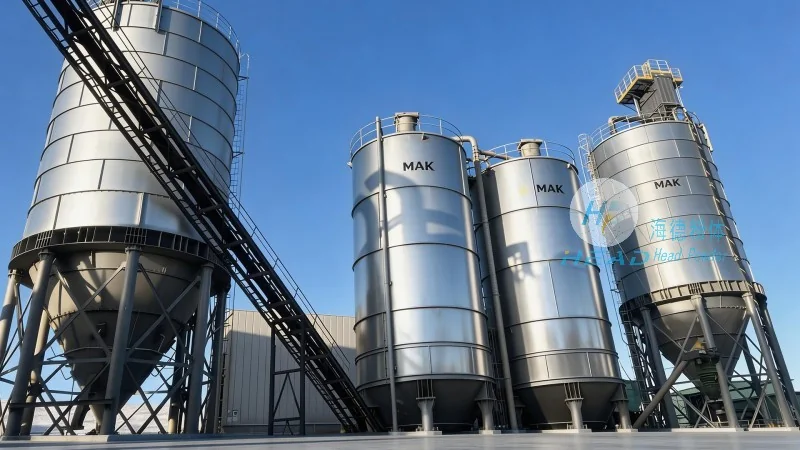
Operation Process of the System
The operation of a mineral sand pneumatic conveying system typically follows a sequence of steps. First, the material is loaded into the hopper. The feeder then starts to discharge the mineral sand into the pipeline. Simultaneously, the air compressor begins to supply compressed air, creating a pressure differential that propels the material forward. As the material travels through the pipeline, it is mixed with the air, forming a slurry-like flow. The system's control system monitors pressure, flow rate, and material level to maintain optimal operation. When the material reaches the receiver, the air flow is adjusted to allow the material to settle and be discharged.
Working Principle: Air-Driven Material Transport
The working principle of a pneumatic conveying system is based on the Bernoulli principle and the concept of fluidization. Compressed air is introduced into the pipeline at a high velocity, creating a low-pressure zone that draws the mineral sand particles into the air stream. The air flow carries the particles through the system, maintaining a stable flow rate. The system can operate in either positive or negative pressure modes. In positive pressure systems, the entire pipeline is pressurized above atmospheric pressure, which helps prevent dust leakage and ensures efficient material transport. In negative pressure systems, the pipeline is maintained at a slightly lower pressure than the surrounding environment, drawing material into the system from the hopper.
Advantages of Pneumatic Conveying for Mineral Sands
Using a pneumatic conveying system for mineral sand transport offers several advantages over traditional methods. It reduces material handling costs by eliminating the need for trucks or conveyor belts. The system is also more flexible, as it can be easily reconfigured to handle different material types or process requirements. Additionally, pneumatic conveying systems are less prone to blockages and can handle materials with varying particle sizes and moisture content. The technology also minimizes environmental impact by containing dust and preventing material spillage.
Engineering and Installation by Shandong HeadPowder Engineering Co., Ltd.
Shandong HeadPowder Engineering Co., Ltd., a leading provider of pneumatic conveying solutions, specializes in designing and manufacturing custom systems for mineral sand applications. The company's engineers work closely with clients to understand their specific material handling needs and develop tailored solutions. The company's systems are built with high-quality materials and components to ensure durability and long-term performance. HeadPowder's team of experts provides comprehensive support, including system design, installation, and maintenance services. By partnering with HeadPowder, industries can benefit from reliable, efficient, and cost-effective mineral sand transport solutions.