

Operation Process and Working Principle of Vacuum Material Handling Pneumatic Conveying System
For industrial applications requiring efficient and reliable material handling, the vacuum material handling pneumatic conveying system stands out as a versatile solution. This system is designed to transport bulk materials from a source to a destination using a vacuum-driven mechanism, offering advantages such as low energy consumption, minimal product contamination, and the ability to handle a wide range of materials including powders, granules, and small particles. The system is manufactured by Shandong HeadPowder Engineering Co., Ltd., a leading provider of material handling solutions in China, with a focus on delivering high-quality and reliable equipment for industrial applications.
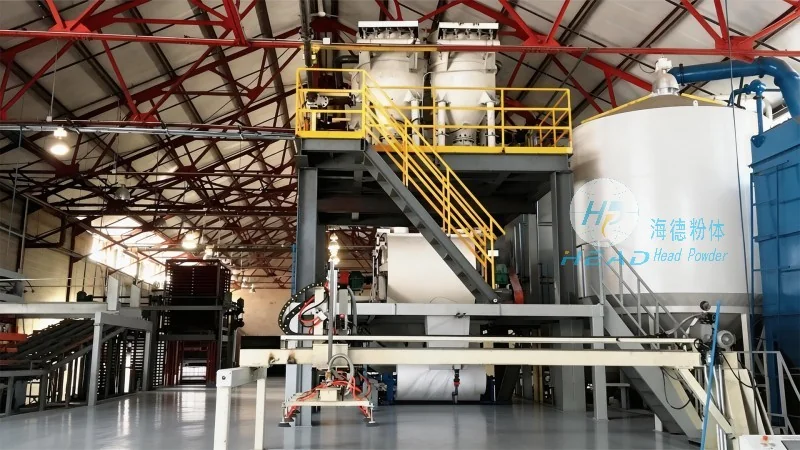
Working Principle of the Vacuum Material Handling Pneumatic Conveying System
The core of the vacuum material handling system lies in its vacuum generation and material transport mechanism. At the source, a vacuum pump creates a negative pressure environment. As the pump operates, it draws air and material particles from the material hopper or storage container into the conveying line. The material is then carried through the pipeline by the airflow generated by the vacuum pump. The system typically includes components such as a vacuum pump, material hopper, conveying pipeline, and a discharge unit at the destination. The vacuum pump continuously maintains the negative pressure, ensuring a steady flow of material from the source to the destination. The design allows for flexible pipeline routing, enabling the system to handle materials in various industrial settings, from manufacturing plants to processing facilities.
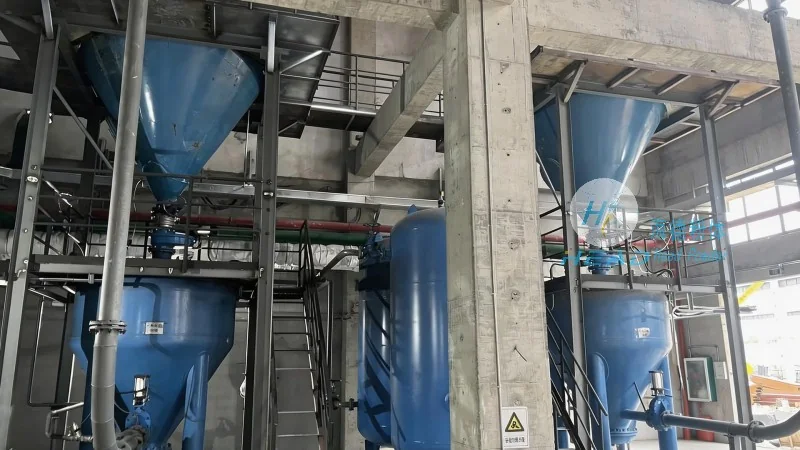
Operation Process of the Vacuum Material Handling Pneumatic Conveying System
The operation process of the vacuum material handling system involves several key steps. First, the material is loaded into the material hopper. The vacuum pump is then activated, creating a vacuum in the system. As the vacuum is established, the material is drawn from the hopper into the conveying pipeline. The material travels through the pipeline under the pressure difference created by the vacuum pump. At the destination, the material is discharged into a receiving container or processing unit. The system may include additional components such as filters to prevent material from clogging the pump or pipeline, and pressure relief valves to maintain system safety. The entire process is automated, with the vacuum pump and control system managing the flow of material based on demand. This ensures consistent and efficient material transport, minimizing downtime and maximizing productivity.
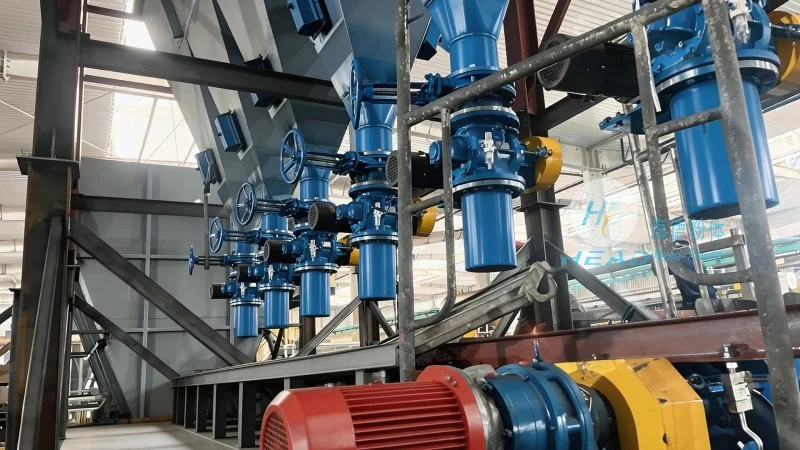
Key Components and Their Functions
Several critical components work together to ensure the efficient operation of the vacuum material handling pneumatic conveying system. The vacuum pump is the primary component, responsible for generating the necessary vacuum to draw material into the system. It can be either a rotary vane pump or a roots blower, depending on the system's requirements and the type of material being handled. The material hopper is where the bulk material is stored and loaded into the system. It is designed to feed material into the conveying line at a controlled rate, preventing overloading or clogging. The conveying pipeline is made of materials such as stainless steel or plastic, chosen for their durability and resistance to corrosion from the materials being transported. The pipeline is typically arranged in a loop or straight line, depending on the layout of the facility. The discharge unit at the destination is where the material is collected. It may include a filter or separator to remove any air or fine particles before the material is discharged. Additionally, the control system monitors the vacuum level, material flow rate, and system pressure, ensuring optimal operation and preventing issues such as blockages or over-vacuuming.
Advantages of Using a Vacuum Material Handling Pneumatic Conveying System
Implementing a vacuum material handling system offers several advantages over traditional material handling methods. One of the primary benefits is the ability to handle materials that are difficult to transport using positive pressure systems, such as fine powders that can be easily airborne or materials that are sensitive to moisture. The vacuum system minimizes product contamination, as the material is contained within the pipeline and does not come into contact with the external environment. Additionally, the system is energy-efficient, as it uses less power compared to positive pressure systems, which require higher pressure to move materials over longer distances. The vacuum system also allows for flexible pipeline routing, enabling the system to be installed in tight spaces or around obstacles, which is not possible with positive pressure systems. Furthermore, the system is relatively low-maintenance, as it has fewer moving parts compared to positive pressure systems, reducing the risk of breakdowns and increasing the system's lifespan.
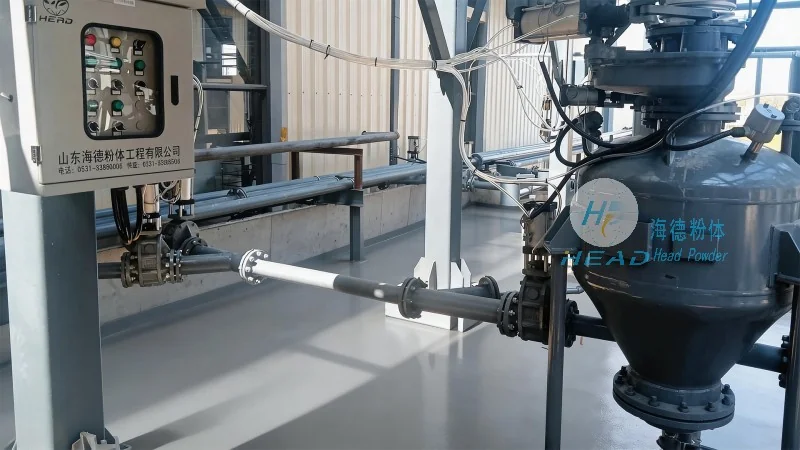
Applications in Industrial Settings
The vacuum material handling pneumatic conveying system is widely used in various industrial applications. In the food and pharmaceutical industries, the system is used to transport powders and granules that require strict hygiene and contamination control. The vacuum system ensures that the materials are handled in a clean environment, minimizing the risk of cross-contamination. In the chemical industry, the system is used to transport powders and granules that are sensitive to moisture or air, such as chemicals used in manufacturing processes. The vacuum system prevents the materials from reacting with the environment, ensuring their stability and safety. In the manufacturing industry, the system is used to transport raw materials to production lines or finished products to storage areas. The vacuum system provides a reliable and efficient way to move materials, reducing the need for manual handling and increasing productivity. Additionally, the system is used in the recycling industry to transport recycled materials from collection points to processing facilities. The vacuum system enables the efficient collection and transport of recyclable materials, contributing to a more sustainable industrial process.