

Operation Process and Working Principle of Light Calcium Carbonate Pneumatic Conveying
Light calcium carbonate, a widely used industrial material, often requires efficient and reliable transportation methods to move it from production sites to processing or packaging facilities. Pneumatic conveying systems have emerged as a preferred solution for handling such materials due to their ability to transport powders like light calcium carbonate with minimal dust, reduced risk of contamination, and enhanced operational flexibility. This article delves into the operation process and working principle of light calcium carbonate pneumatic conveying, highlighting the key aspects that make it an effective choice for industrial applications.
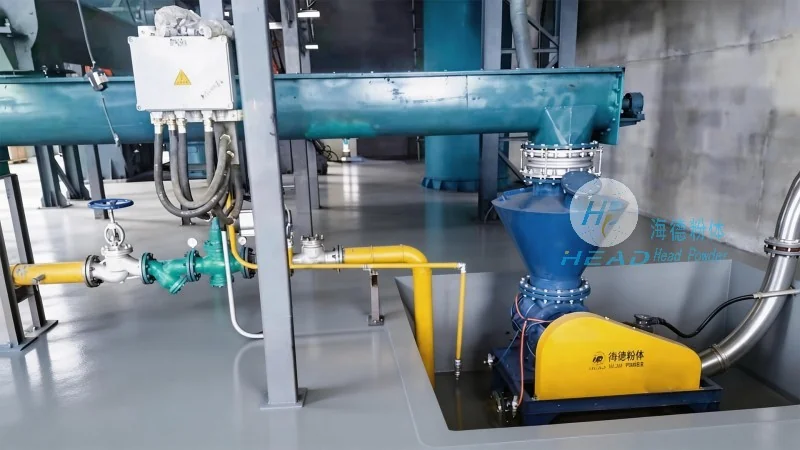
Company Overview: Shandong HeadPowder Engineering Co., Ltd.
Shandong HeadPowder Engineering Co., Ltd., commonly known as headpowder, is a leading manufacturer and supplier of advanced material handling solutions. With a strong focus on innovation and quality, the company specializes in designing and implementing pneumatic conveying systems tailored to the specific needs of various industries. Headpowder's expertise in light calcium carbonate processing and transportation has positioned it as a trusted partner for businesses seeking efficient and sustainable material handling solutions. The company's headquarters is located in Shandong, China, where it leverages local resources and industry expertise to deliver high-performance systems.
The Working Principle of Pneumatic Conveying Systems
Pneumatic conveying operates on the principle of using compressed air to transport solid materials through a pipeline. In the case of light calcium carbonate, the system typically involves a series of components that work in tandem to move the powder from the source to the destination. The core mechanism relies on the creation of a pressure differential within the pipeline, which propels the material forward. This method is particularly effective for light calcium carbonate because it is a fine powder that can be easily suspended in air, allowing for smooth and continuous movement without the need for mechanical components like belts or buckets.
Detailed Operation Process of Light Calcium Carbonate Conveying
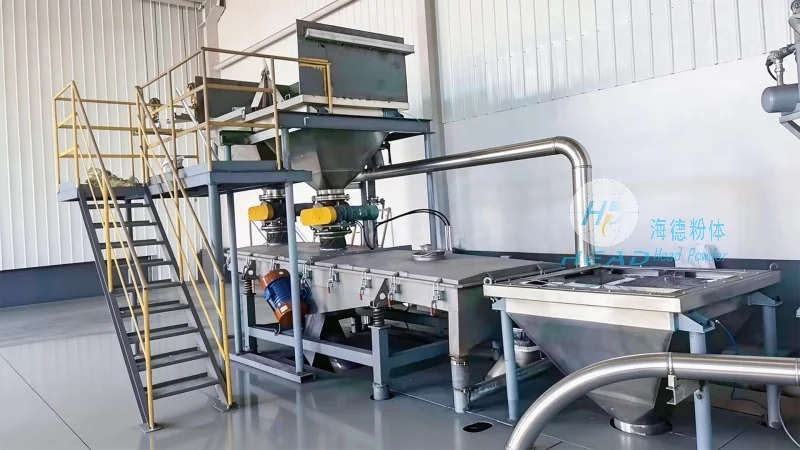
The operation process of light calcium carbonate pneumatic conveying involves several critical steps, each designed to ensure efficient and safe material transport. The process begins with the loading of light calcium carbonate into a hopper or feeder, where the material is stored before being introduced into the conveying system. From the hopper, the powder is fed into the pipeline using a rotary valve or a feeder that controls the flow rate. Compressed air, generated by a blower or a compressor, is introduced into the pipeline at a specific pressure, creating a flow that carries the light calcium carbonate particles. As the air moves through the pipeline, it entrains the powder, forming a slurry-like mixture that travels to the receiving end. At the destination, the air is separated from the material, often through a cyclone or a filter, allowing the light calcium carbonate to be collected in a storage bin or a processing unit. The air is then discharged back into the system or released into the atmosphere, completing the cycle.
Key Components and Their Roles in the System
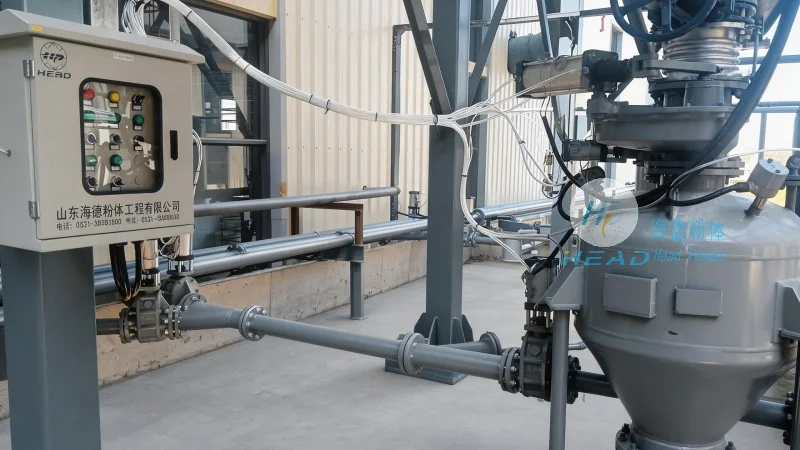
Several key components are integral to the successful operation of a light calcium carbonate pneumatic conveying system. The primary components include the hopper or feeder, which stores and regulates the material flow; the blower or compressor, which provides the necessary compressed air; the pipeline, which forms the transport path; the rotary valve or feeder, which controls the introduction of the material; and the separator or filter, which separates the air from the powder at the receiving end. Each component plays a crucial role in maintaining the efficiency and reliability of the system. For instance, the blower must generate sufficient pressure to overcome the resistance in the pipeline and lift the light calcium carbonate particles. The feeder must ensure a consistent flow rate to prevent blockages or uneven transport. The separator is essential for recovering the material and preventing air leakage, which could affect the system's performance.
Advantages of Using Pneumatic Conveying for Light Calcium Carbonate
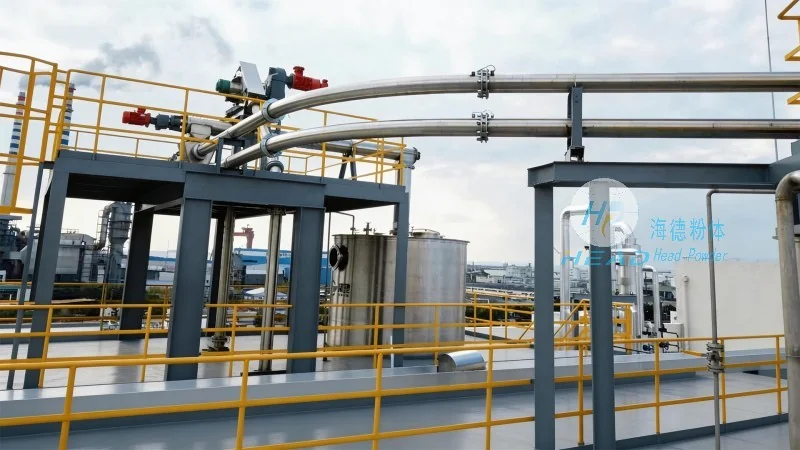
Pneumatic conveying offers several advantages over traditional material handling methods for light calcium carbonate. One of the most significant benefits is the reduction in dust and contamination, as the material is enclosed within the pipeline, minimizing exposure to the environment. This is particularly important for light calcium carbonate, which is often used in food, pharmaceutical, and cosmetic industries where purity is critical. Additionally, pneumatic conveying systems are more flexible and can be easily adapted to different production layouts, allowing for changes in the material flow or the addition of new processing units without major modifications. The system also reduces labor costs and operational time, as it eliminates the need for manual handling of the powder. Furthermore, the enclosed nature of the system enhances safety by preventing the release of dust particles into the workplace, thereby reducing the risk of respiratory issues or other health hazards.
Practical Applications and Industry Standards
Light calcium carbonate pneumatic conveying systems are widely used in various industries, including the chemical, food, and pharmaceutical sectors. In the chemical industry, these systems are used to transport light calcium carbonate for use in the production of coatings, plastics, and other materials. In the food industry, they are employed to move the powder for use in food additives, beverages, and nutritional supplements. The pharmaceutical industry also utilizes pneumatic conveying for the transport of light calcium carbonate in the manufacturing of tablets, capsules, and other medicinal products. Industry standards, such as those set by the American Society of Mechanical Engineers (ASME) and the International Organization for Standardization (ISO), provide guidelines for the design, installation, and operation of pneumatic conveying systems. These standards ensure that the systems are safe, efficient, and compliant with regulatory requirements, thereby protecting both the operators and the environment.