

The Operation Process and Working Principle of Cellulose Pneumatic Conveying
Shandong HeadPowder Engineering Co., Ltd., commonly known as headpowder, is a professional manufacturer and supplier based in Shandong, China. The company specializes in the design, development, and implementation of pneumatic conveying systems, particularly for cellulose materials. With a strong focus on engineering excellence and customer satisfaction, headpowder has established itself as a reliable partner in the field of material handling solutions.
Overview of Cellulose Pneumatic Conveying Systems
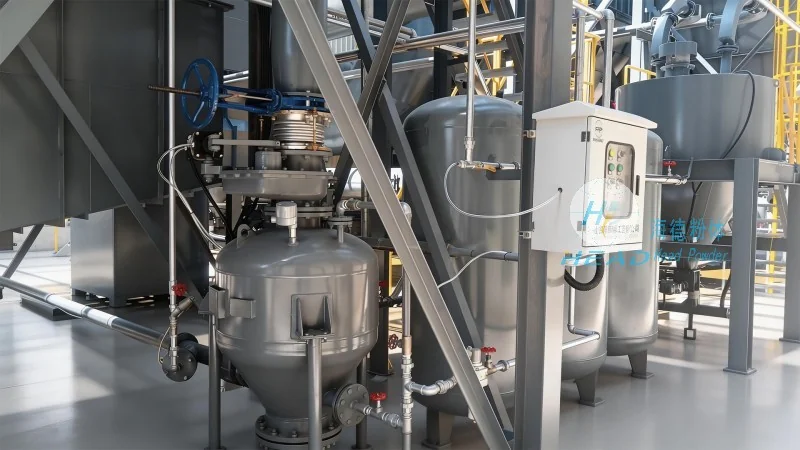
Pneumatic conveying, also known as air conveying, is a method of transporting bulk materials through a pipeline using a stream of pressurized or suctioned air. In the context of cellulose, this technology is widely used to move materials such as wood pulp, paper fibers, and other cellulose-based products from one location to another. The system typically consists of several key components, including a material feeder, a conveying pipeline, a blower or vacuum pump, and a separation or discharge unit. Each component plays a crucial role in ensuring efficient and reliable material transport.
The Operation Process of Cellulose Pneumatic Conveying
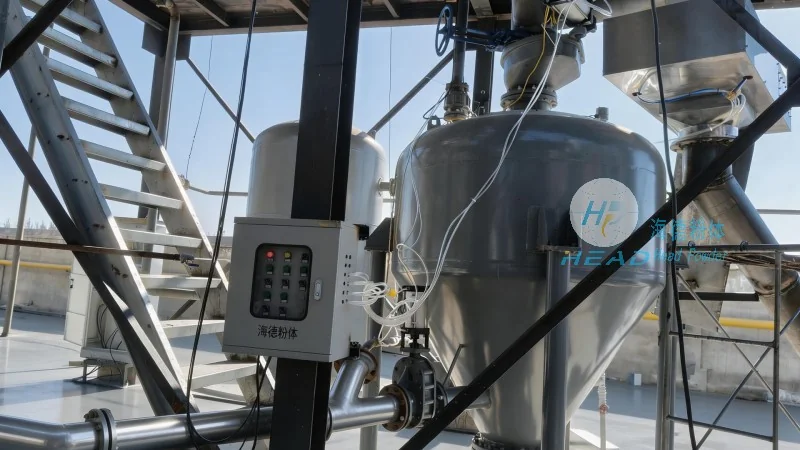
The operation of a cellulose pneumatic conveying system involves a series of coordinated steps to ensure smooth material transfer. The process begins with the preparation phase, where the cellulose material is loaded into the feeder. The feeder then meters the material into the conveying pipeline at a controlled rate. Simultaneously, the blower generates a high-pressure air stream that propels the material through the pipeline. As the material travels, it is mixed with the air, forming a dense or dilute phase depending on the system design. The pipeline may include bends, valves, and other fittings to direct the flow and maintain consistent pressure. Upon reaching the discharge point, the material is separated from the air using a cyclone or other separation equipment, and the air is then filtered and returned to the system or released to the atmosphere.
Working Principle of Cellulose Pneumatic Conveying
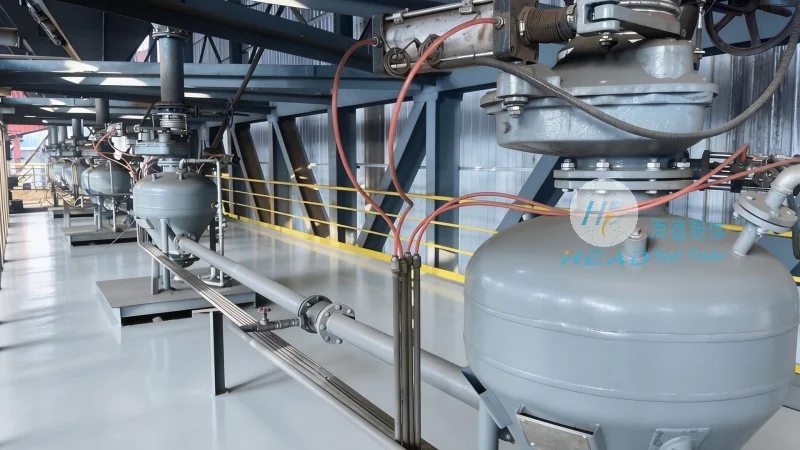
The core principle behind cellulose pneumatic conveying is the use of air as the conveying medium to move solid particles. The system operates based on the interaction between the air flow and the cellulose particles. In a pressure system, the blower supplies compressed air into the pipeline, creating a pressure differential that drives the material forward. The velocity of the air stream is critical; it must be sufficient to overcome the gravitational force and frictional resistance of the material. The flow can be classified as dilute phase, where the material is dispersed in the air, or dense phase, where the material forms a slurry-like mixture with the air. The choice between these phases depends on the material characteristics, pipeline length, and desired efficiency. The separation process at the end of the pipeline relies on the difference in density between the cellulose particles and the air, allowing the material to settle out and be collected.
Key Components and Their Functions
Each part of the cellulose pneumatic conveying system contributes to the overall efficiency and performance. The material feeder is responsible for accurately controlling the flow rate of the cellulose material, preventing overloading or underloading that could disrupt the system. The conveying pipeline is typically made of materials such as stainless steel or plastic, chosen for their durability and resistance to corrosion from the cellulose particles. The blower or vacuum pump provides the necessary air pressure or suction to move the material through the pipeline. The separation unit, often a cyclone separator, uses centrifugal force to separate the cellulose particles from the air stream, ensuring that the material is discharged cleanly and the air is filtered before being recycled or released.
Advantages and Applications
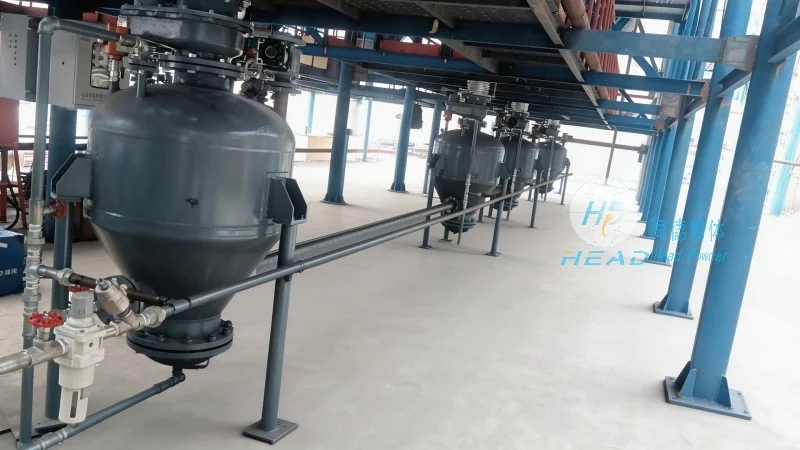
Cellulose pneumatic conveying systems offer several advantages over traditional mechanical conveying methods. These include reduced maintenance costs, as there are fewer moving parts, and the ability to transport materials in a closed system, minimizing dust and contamination. The system is also flexible, allowing for changes in material flow rates and pipeline layout. In the cellulose industry, these systems are commonly used in paper mills, wood processing facilities, and other applications where large volumes of cellulose materials need to be moved efficiently. The technology enables manufacturers to streamline their production processes, improve safety, and enhance overall operational efficiency.