

Operation Process and Working Principle of Quicklime Pneumatic Conveying System
Quicklime, also known as calcium oxide, is a vital industrial material utilized across multiple sectors such as steelmaking, paper production, and chemical manufacturing. The efficient and reliable transportation of quicklime from storage to processing units is paramount for maintaining production efficiency and minimizing operational costs. Pneumatic conveying systems have emerged as a preferred solution for handling quicklime due to their ability to transport bulk materials over extended distances with minimal dust generation and reduced maintenance requirements. This article provides a detailed overview of the operation process and working principle of a quicklime pneumatic conveying system, highlighting the key components, operational steps, and the technological advantages it offers.
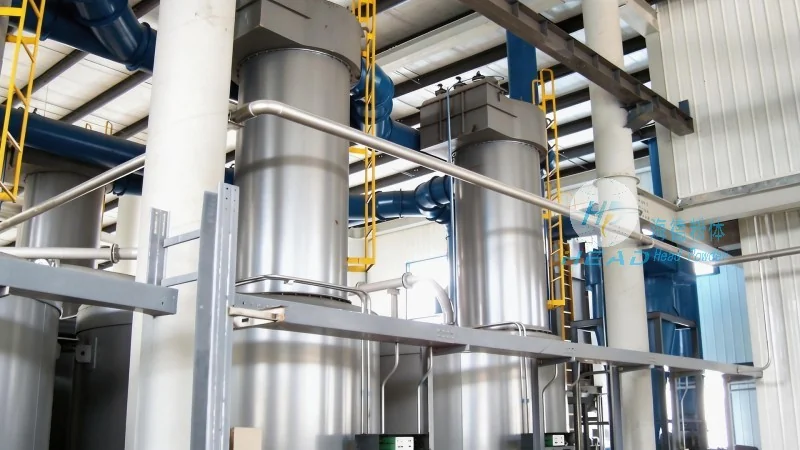
Key Components of the Quicklime Pneumatic Conveying System
The quicklime pneumatic conveying system typically comprises several core components that function in unison to ensure smooth material transport. These components include the hopper or storage silo, a rotary airlock valve, a positive displacement blower or air compressor, a conveying pipeline, and a receiver or discharge hopper. Each component plays a critical role in the overall system performance. The hopper is responsible for storing the quicklime, providing a uniform feed to the system. The rotary airlock valve acts as a gate, controlling the flow of quicklime into the conveying line and preventing backflow of air. The positive displacement blower generates the necessary air pressure to move the material through the pipeline. The conveying pipeline, usually constructed from stainless steel or other corrosion-resistant materials, transports the quicklime from the source to the destination. Finally, the receiver or discharge hopper collects the material at the end of the pipeline, completing the transport process. The company, Shandong HeadPowder Engineering Co., Ltd., specializes in designing and manufacturing such systems, ensuring high-quality and durable components that meet industrial standards.
Operation Process of the Quicklime Pneumatic Conveying System
The operation of the quicklime pneumatic conveying system follows a systematic sequence of steps to ensure efficient material transport. The process begins with the loading of quicklime into the storage hopper. The rotary airlock valve then opens, allowing a controlled amount of quicklime to enter the conveying pipeline. Simultaneously, the positive displacement blower starts operating, generating a high-pressure air stream that propels the material forward. The quicklime particles are suspended in the air stream and carried through the pipeline to the receiver hopper. The air and material mixture reaches the receiver, where a second rotary airlock valve or a filter system separates the quicklime from the air. The air is then discharged to the atmosphere or recirculated, while the quicklime is collected in the receiver hopper for further processing. The system operates continuously, with the blower maintaining a consistent air pressure to ensure a steady flow of material. The control system monitors various parameters such as pressure, flow rate, and material level, ensuring optimal performance and preventing any operational issues. This automated process minimizes human intervention, reduces labor costs, and enhances safety in the workplace.

Working Principle of the Quicklime Pneumatic Conveying System
The working principle of the quicklime pneumatic conveying system is based on the principles of fluid dynamics and particle suspension. The system utilizes compressed air to create a flow that can transport solid particles. The positive displacement blower provides a constant volume of air, which is then accelerated through the pipeline. The quicklime particles are entrained in the air stream due to the high velocity and pressure, forming a slurry-like mixture. The air pressure and velocity are carefully controlled to ensure that the particles remain suspended without settling or clogging the pipeline. The system operates under positive pressure, meaning the air pressure inside the pipeline is higher than the ambient pressure, which prevents dust leakage and maintains a clean working environment. The design of the conveying pipeline, including the diameter and length, is optimized to minimize pressure drop and energy consumption. The use of corrosion-resistant materials, such as stainless steel, ensures that the system can handle the aggressive nature of quicklime, which can cause corrosion in other materials. The company, headpowder, employs advanced engineering techniques to design systems that are energy-efficient and environmentally friendly, reducing the carbon footprint of industrial operations.
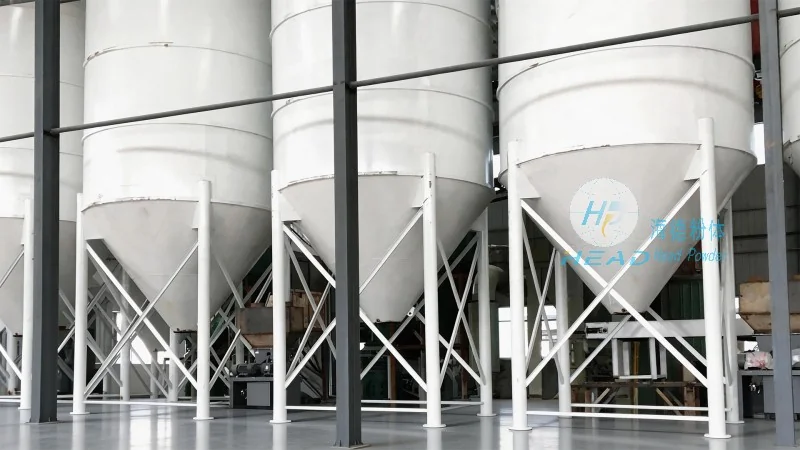
Advantages of Quicklime Pneumatic Conveying Systems
Quicklime pneumatic conveying systems offer several advantages over traditional conveying methods such as belt conveyors or bucket elevators. One of the primary advantages is the ability to transport materials over long distances with minimal maintenance. The system is compact and can be installed in confined spaces, making it suitable for industrial facilities with limited floor space. The operation is dust-free, which improves workplace safety and reduces the risk of respiratory issues for workers. The system also offers better material handling capabilities, as it can transport materials with high moisture content or sticky properties without clogging. Additionally, the system is highly flexible, allowing for changes in the conveying route or capacity without major modifications. The energy efficiency of the system is another significant advantage, as it uses less energy compared to other methods, resulting in lower operational costs. The company, Shandong HeadPowder Engineering Co., Ltd., has developed advanced control systems that optimize energy usage and improve system performance. These systems are designed to adapt to varying material conditions and operational requirements, ensuring consistent and reliable performance.
Applications and Industries
Quicklime pneumatic conveying systems are widely used in various industries due to their versatility and efficiency. In the steel industry, quicklime is used as a flux in the blast furnace, and the pneumatic conveying system ensures a steady supply of material to the furnace. In the paper industry, quicklime is used in the production of calcium carbonate, and the system transports it from storage to the processing units. The chemical industry also utilizes quicklime in the production of various chemicals, and the system provides a reliable means of material transport. Additionally, the system is used in the food and pharmaceutical industries for handling quicklime in production processes. The company, headpowder, has successfully implemented these systems in numerous industrial applications, providing customized solutions that meet the specific needs of each client. The systems are designed to handle different types of quicklime, including powdered and granular forms, ensuring versatility and adaptability.