

Operation Process and Working Principle of Lysine Pneumatic Conveying System
HeadPowder, a leading engineering company based in Shandong, China, specializes in the design, manufacturing, and installation of advanced pneumatic conveying systems for the lysine industry. This article provides a detailed overview of the operation process and working principles of such systems, highlighting their efficiency and reliability in handling lysine powder.
Components and Working Principle of the Lysine Pneumatic Conveying System
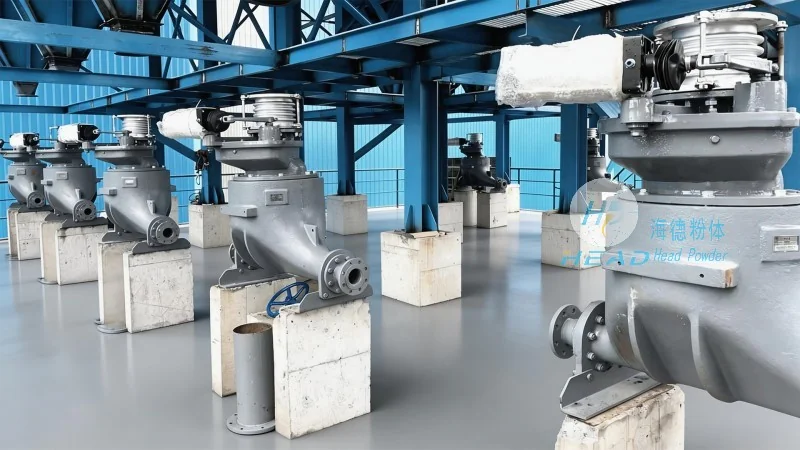
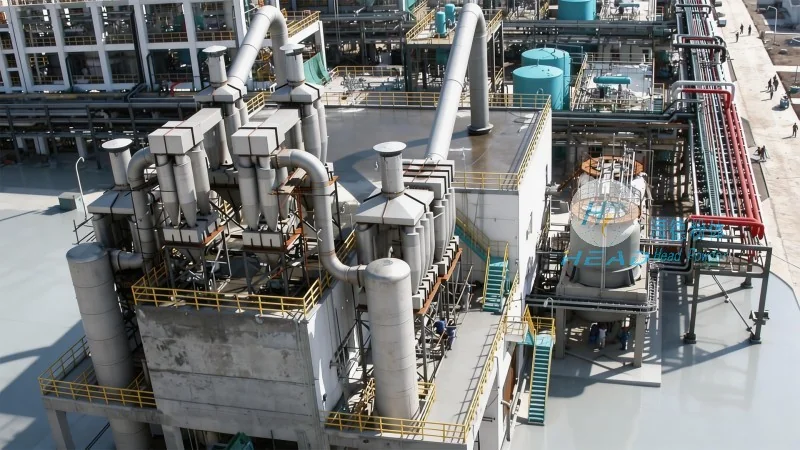
The lysine pneumatic conveying system typically consists of several key components, including a hopper, a rotary valve, a conveying line, a filter, and a dust collector. The working principle involves the use of compressed air to transport lysine powder from the source to the destination. The process begins with the lysine powder being fed into the hopper. A rotary valve then controls the flow of the powder into the conveying line. Compressed air is introduced into the line, creating a low-pressure zone that draws the powder particles along with the air stream. The mixture travels through the conveying line to the receiving hopper or storage tank. The air and powder are then separated at the end of the line, with the air being filtered and the powder collected in the designated container.
Operation Process of the Lysine Pneumatic Conveying System
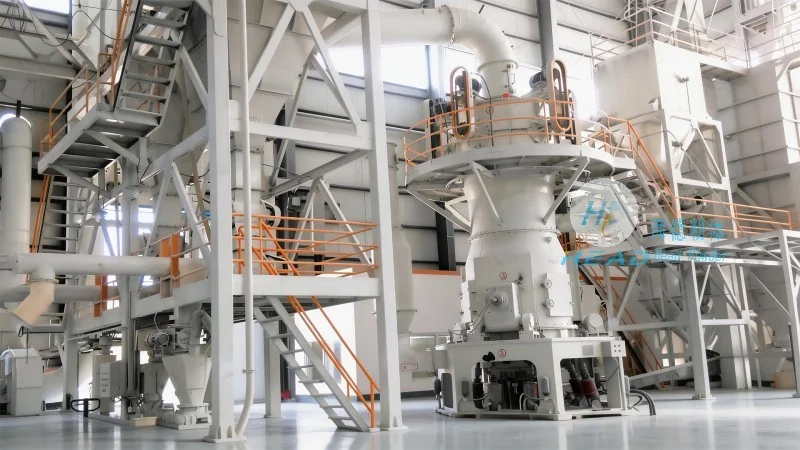
The operation of the lysine pneumatic conveying system follows a systematic sequence to ensure smooth and continuous material handling. First, the system is started by activating the compressed air supply and the rotary valve. The hopper is filled with lysine powder, and the rotary valve opens to allow the powder to enter the conveying line. The compressed air is then turned on, creating the necessary pressure differential to initiate the conveying process. As the powder is drawn into the air stream, it moves through the pipeline at a controlled velocity, preventing clogging and ensuring uniform transport. The system continues to operate until the hopper is emptied or the desired amount of lysine is transferred. At the end of the process, the air is filtered to remove any residual dust, and the collected powder is ready for further processing or packaging.
Efficiency and Reliability of the Lysine Pneumatic Conveying System
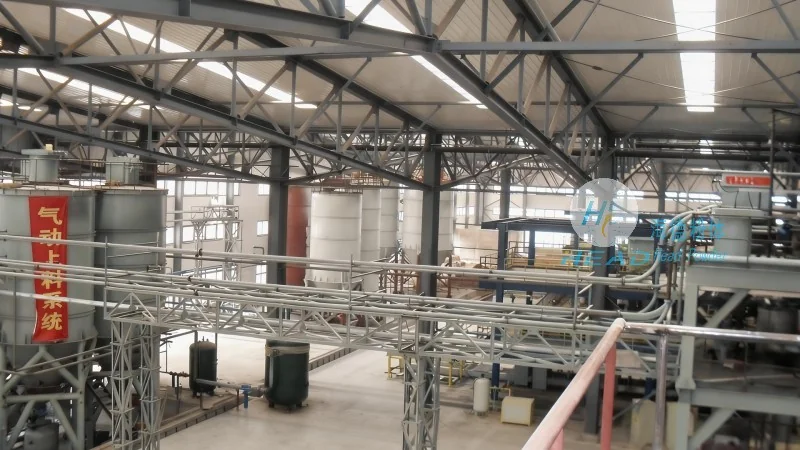
HeadPowder's lysine pneumatic conveying systems are engineered to deliver high efficiency and reliability in industrial applications. The use of compressed air allows for the rapid and continuous transport of lysine powder, reducing downtime and increasing production throughput. The system's design minimizes material loss and contamination, ensuring the quality of the lysine product. Additionally, the modular construction of the system enables easy maintenance and scalability, adapting to the changing needs of the lysine industry. By leveraging advanced engineering and quality materials, HeadPowder ensures that its pneumatic conveying systems meet the stringent requirements of modern lysine production facilities.