

Operation Process and Working Principle of Sugar Pneumatic Conveying Equipment
HeadPowder, a leading manufacturer based in Shandong, China, specializes in the design, production, and supply of advanced sugar pneumatic conveying equipment. This article delves into the operational process and underlying working principles of such systems, providing a comprehensive overview for industry professionals and potential clients.
Introduction to Sugar Pneumatic Conveying Systems
Sugar pneumatic conveying systems are essential in the sugar processing industry, enabling efficient and hygienic transportation of granular sugar from storage silos to processing units or packaging areas. Unlike traditional mechanical conveyors, these systems utilize air pressure to move bulk materials, offering advantages such as reduced contamination risk, lower maintenance requirements, and improved energy efficiency. The equipment is engineered to handle various sugar types, including raw sugar, refined sugar, and sugar syrups, ensuring consistent performance across different production stages.
Key Components of Sugar Pneumatic Conveying Equipment
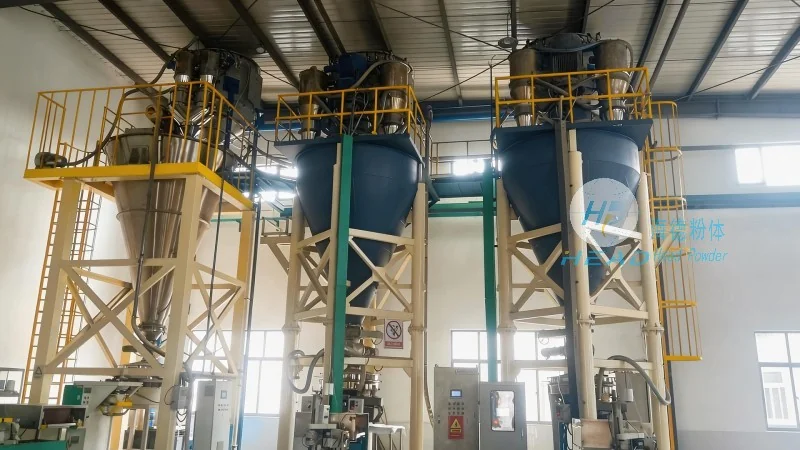
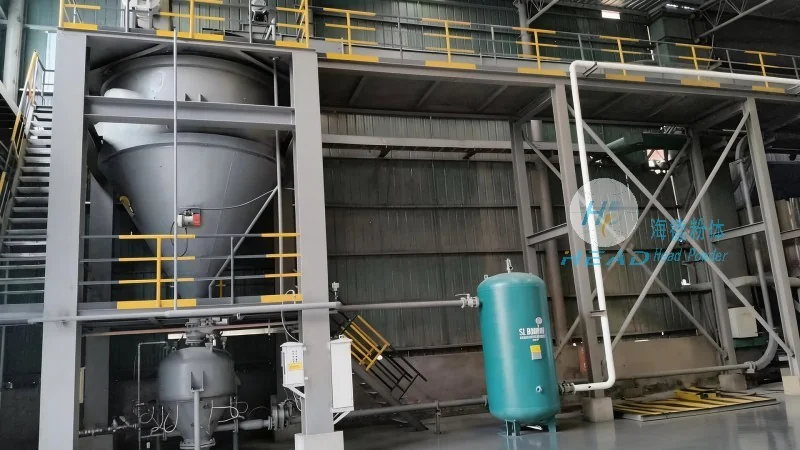
The core components of a sugar pneumatic conveying system include the hopper, feeder, air compressor, conveying pipeline, and receiver. Each component plays a critical role in the overall operation. The hopper stores the sugar, maintaining a consistent feed rate. The feeder regulates the flow of sugar into the system, preventing overloading or underflow. The air compressor generates the necessary air pressure to move the sugar through the pipeline. The conveying pipeline transports the sugar and air mixture, while the receiver collects the sugar at the destination point. These components are designed with food-grade materials and strict hygiene standards to meet industry regulations.
Working Principle of Sugar Pneumatic Conveying
The working principle of sugar pneumatic conveying involves creating a pressure differential between the hopper and the receiver. The air compressor supplies compressed air to the system, which is then introduced into the conveying pipeline. As air flows through the pipeline, it creates a low-pressure zone at the hopper and a high-pressure zone at the receiver. The sugar is drawn from the hopper into the pipeline by the pressure difference, where it is suspended and carried to the receiver by the air stream. The process is continuous, with the air and sugar mixture moving at a controlled velocity to ensure efficient transport without causing material degradation or blockages.
Operation Process of Sugar Pneumatic Conveying Equipment
The operation process of sugar pneumatic conveying equipment begins with the loading of sugar into the hopper. The feeder then starts, regulating the sugar flow into the system. The air compressor is activated, generating the required air pressure. The air is introduced into the pipeline, and the pressure differential is established. The sugar is conveyed from the hopper to the receiver as the air stream transports it. At the receiver, the sugar is collected and prepared for the next stage of processing. The system operates in a closed loop, with the air being filtered and recycled to maintain efficiency and reduce environmental impact. Regular maintenance, such as cleaning the hopper and pipeline, is essential to prevent sugar buildup and ensure consistent performance.
Advantages of Sugar Pneumatic Conveying Systems
Sugar pneumatic conveying systems offer several advantages over traditional mechanical conveyors. These include improved hygiene, as the system is enclosed and prevents contamination from external sources. Reduced labor costs, as the automated process minimizes manual handling of sugar. Enhanced safety, as there are no moving parts in direct contact with the product, reducing the risk of injury. Additionally, the systems are flexible and can be easily integrated into existing production lines, allowing for scalability and adaptability to changing production demands. The energy efficiency of these systems also contributes to lower operational costs over time.
Applications in the Sugar Industry
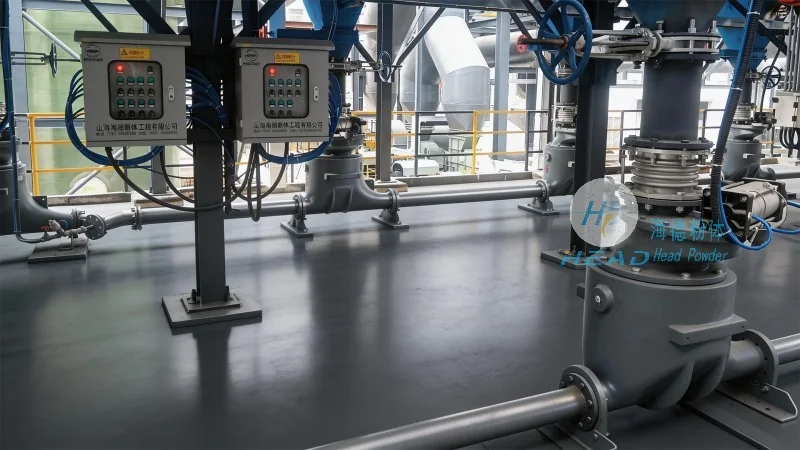
Sugar pneumatic conveying equipment is widely used in various stages of the sugar production process. In the raw sugar processing plant, it is used to transport raw sugar from storage silos to the refining unit. In the refined sugar production, it conveys refined sugar from the crystallization process to the packaging area. The equipment is also utilized in sugar syrup processing, where it transports syrup from storage tanks to the evaporation or concentration units. The versatility of the system makes it suitable for different sugar types and production scales, from small-scale operations to large industrial facilities.
Maintenance and Troubleshooting for Sugar Pneumatic Conveying Systems
Proper maintenance is crucial to ensure the longevity and efficiency of sugar pneumatic conveying systems. Regular cleaning of the hopper, feeder, and pipeline is necessary to prevent sugar buildup, which can lead to blockages and reduced performance. The air compressor and filters should be inspected and maintained regularly to ensure consistent air pressure and quality. Monitoring the system for pressure drops or unusual noise can help identify potential issues early. Common problems include air leaks, which can reduce conveying efficiency, and material blockages, which may require manual intervention or adjustments to the feeder settings. By following a regular maintenance schedule and addressing issues promptly, operators can maximize the system's lifespan and maintain optimal performance.
Conclusion
Sugar pneumatic conveying equipment, as provided by HeadPowder, is a vital component in modern sugar processing facilities. The system's efficient operation, hygienic design, and flexibility make it an ideal choice for transporting sugar in various production stages. By understanding the working principles and operation process, industry professionals can optimize the use of these systems, ensuring consistent product quality and operational efficiency. HeadPowder's commitment to quality and innovation ensures that their sugar pneumatic conveying equipment meets the highest industry standards, providing reliable and effective solutions for sugar processing needs.