

Operation Process and Working Principle of PVC Pneumatic Conveying Equipment
Shandong HeadPowder Engineering Co., Ltd., a leading manufacturer based in Shandong, China, specializes in the design, production, and supply of PVC pneumatic conveying equipment. This equipment is widely used in various industrial sectors for efficient material handling and transportation. Understanding the operation process and working principle of such systems is crucial for optimizing performance and ensuring reliable operation in industrial applications.
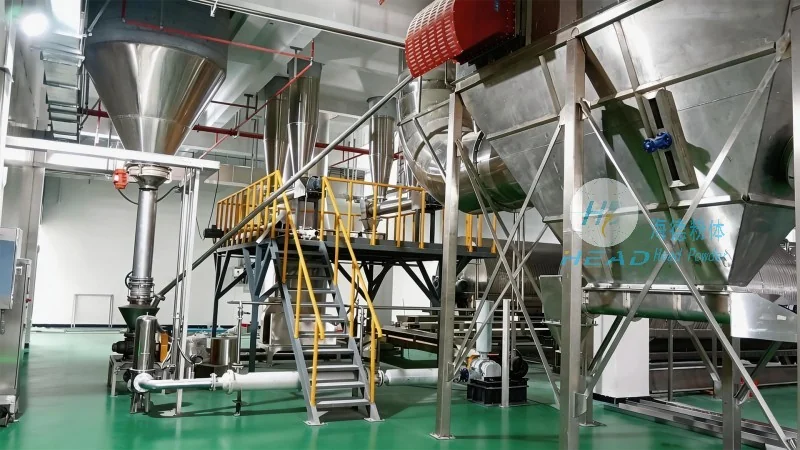
Overview of PVC Pneumatic Conveying Equipment
PVC pneumatic conveying equipment utilizes air or gas as the medium to transport bulk materials like powders, granules, and small particles. The system typically consists of a hopper, a conveyor line, a venturi or other air delivery components, and a receiver. The primary function is to move materials from a source to a destination without the need for mechanical components like belts or buckets, which can be prone to wear and maintenance issues. This makes PVC systems particularly suitable for handling abrasive or corrosive materials, as well as those that are sensitive to contamination or moisture.
The Working Principle of PVC Pneumatic Conveying
The working principle of PVC pneumatic conveying equipment relies on the creation of a pressure differential between the inlet and outlet of the system. When the conveying air is introduced into the hopper, it creates a low-pressure zone that draws the material into the conveyor line. The material is then carried along the pipeline by the moving air stream. The venturi or other air delivery components are designed to maintain the necessary air velocity to ensure the material remains suspended and transported efficiently. The system can operate in either positive or negative pressure modes, depending on the application requirements. Positive pressure systems blow air into the material, while negative pressure systems create a vacuum to draw material from the source. The choice of pressure mode affects the system's efficiency, energy consumption, and suitability for different material types and distances.
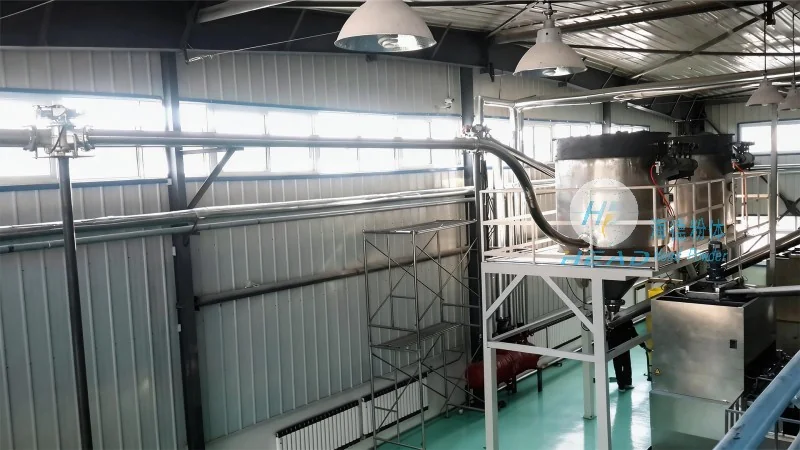
Key Components and Their Roles
Several key components work together to ensure the smooth operation of PVC pneumatic conveying equipment. The hopper is the storage and feeding unit where the material is loaded. It is designed to provide a consistent flow of material into the conveyor line, often equipped with a feeder or valve to control the discharge rate. The conveyor line, usually made of PVC or other corrosion-resistant materials, is the main pathway for material transport. The line's diameter and length are critical factors that affect the system's performance, as they influence the air velocity and pressure drop. The venturi or air delivery component is responsible for generating the necessary air flow and pressure. It can be a simple nozzle or a more complex device with adjustable parameters to optimize material transport. The receiver is the final destination where the material is deposited. It is typically equipped with a discharge valve or outlet to control the material release. In addition to these main components, the system may include filters, cyclones, or other separation devices to remove air from the material stream and prevent contamination or dust accumulation.
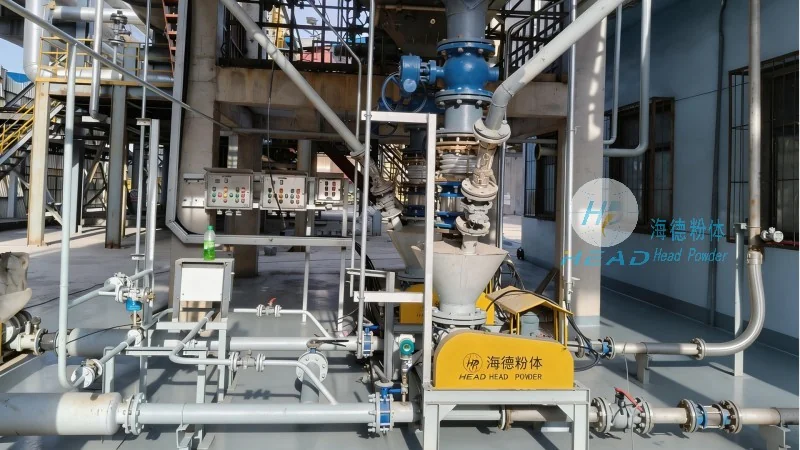
Operation Process: Step-by-Step
The operation process of PVC pneumatic conveying equipment involves several sequential steps to ensure efficient material transport. First, the material is loaded into the hopper. The feeder or valve in the hopper controls the flow rate, ensuring a consistent supply of material to the conveyor line. Next, the conveying air is activated, creating the pressure differential that draws the material into the line. The material is then carried along the pipeline by the air stream. As the material travels, it may encounter bends, expansions, or other components that help maintain the flow and prevent blockages. The receiver is positioned at the end of the line, where the material is deposited. The system may include a filter or cyclone to separate the material from the air before it is released into the receiver. Finally, the air is discharged from the system, either to the atmosphere or to a filtration system to prevent dust emissions. Each step is critical to the overall efficiency and reliability of the system, and proper maintenance and monitoring are essential to ensure optimal performance.
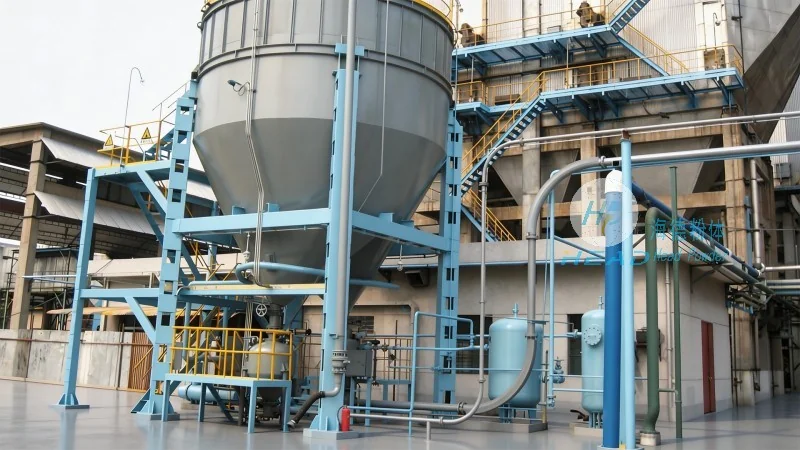
Advantages of PVC Pneumatic Conveying Systems
PVC pneumatic conveying systems offer several advantages over traditional mechanical conveying methods. One of the primary benefits is the ability to handle a wide range of materials, including those that are abrasive, corrosive, or sensitive to moisture. The absence of mechanical parts reduces the risk of material contamination and wear, which can extend the system's lifespan and reduce maintenance costs. Additionally, PVC systems are relatively compact and can be installed in tight spaces, making them suitable for facilities with limited floor space. The flexibility of the system allows for easy integration with existing equipment and processes, and the ability to operate in both positive and negative pressure modes provides versatility for different applications. Another advantage is the energy efficiency of the system, as it can be optimized to use minimal air pressure and flow rates, reducing energy consumption and operational costs. The system also offers a high degree of control over material flow, allowing for precise dosing and batching, which is essential in many industrial processes.
Applications and Industries
PVC pneumatic conveying equipment is widely used in various industries due to its versatility and efficiency. In the chemical industry, it is used to transport powders and granules, such as pigments, polymers, and catalysts. The system's ability to handle corrosive materials makes it ideal for applications involving acids, bases, or other chemicals. In the food and pharmaceutical industries, PVC systems are used to transport ingredients, powders, and other materials that require strict hygiene and contamination control. The system's design can be modified to meet the specific requirements of these industries, such as using food-grade materials and incorporating sterilization features. In the mining and mineral processing industry, PVC pneumatic conveying is used to transport ores, powders, and other materials from processing plants to storage or further processing facilities. The system's durability and ability to handle abrasive materials make it suitable for harsh environments. In the agricultural industry, it is used to transport feed, fertilizers, and other agricultural products. The system's flexibility allows for easy adaptation to different product types and processing needs. Overall, the applications of PVC pneumatic conveying systems are diverse, reflecting their adaptability and effectiveness in various industrial settings.