

Operation Process and Working Principle of High-Temperature Ash Pneumatic Conveying Equipment
High-temperature ash pneumatic conveying equipment is a specialized system designed to transport hot ash from industrial processes, such as power plants or cement factories, with efficiency and safety. This equipment plays a crucial role in managing waste and maintaining operational efficiency in industrial settings. The following content will explore the operation process and working principle of this equipment, along with details about the manufacturer, HeadPowder, a leading provider in the field.
About HeadPowder: A Leader in Pneumatic Conveying Solutions
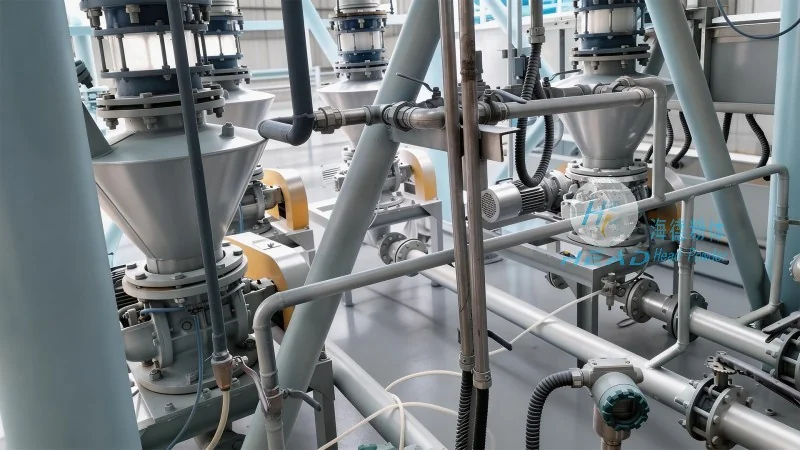
HeadPowder, the abbreviation for Shandong HeadPowder Engineering Co., Ltd., is a professional manufacturer and supplier based in Shandong, China. The company specializes in the research, development, and production of pneumatic conveying equipment, including high-temperature ash conveying systems. With years of experience and a commitment to quality, HeadPowder has established itself as a trusted partner for industries requiring reliable and efficient material handling solutions. The company's headquarters and main production facilities are located in Shandong, China, where it employs advanced technology and skilled professionals to ensure the highest standards of product performance and durability.
Working Principle of High-Temperature Ash Pneumatic Conveying Equipment
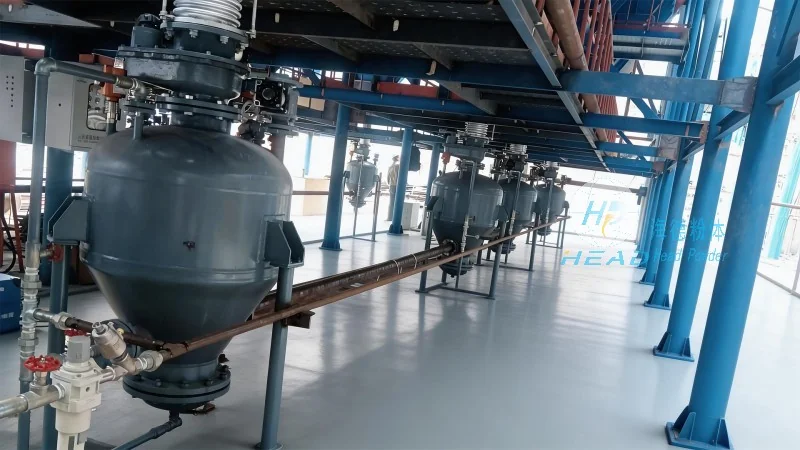
The core working principle of high-temperature ash pneumatic conveying equipment is based on the use of air or inert gases to transport solid materials through a pipeline system. In the case of high-temperature ash, the equipment is specifically designed to handle materials with temperatures ranging from 200°C to 800°C, depending on the application. The system typically consists of a blower or compressor, a hopper for ash storage, a filter system to capture fine particles, and a discharge unit for the ash. The process begins with the ash being fed into the hopper, where it is then drawn into the conveying line by the pressure created by the blower. The air or gas flows at a high velocity, creating a stream that lifts and transports the ash particles through the pipeline. The filter system is essential to prevent dust from escaping into the environment, ensuring compliance with environmental regulations. The discharge unit then releases the ash into a designated storage or processing area.
The Operation Process of High-Temperature Ash Pneumatic Conveying Equipment
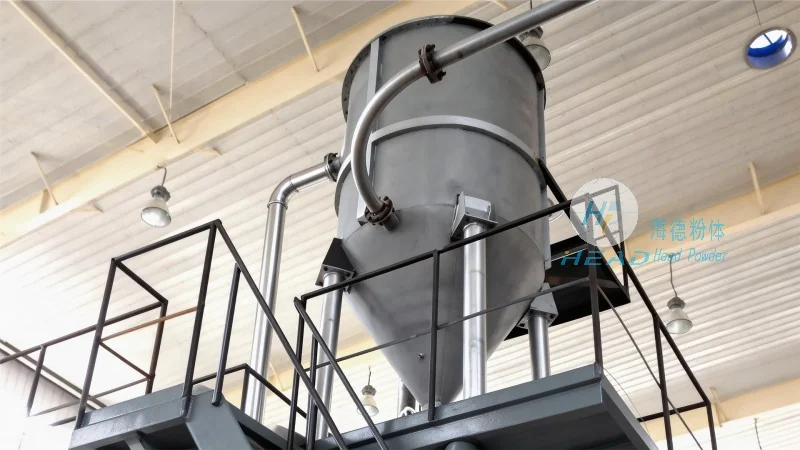
The operation process of high-temperature ash pneumatic conveying equipment involves several key steps to ensure safe and efficient transport. First, the system is prepared for operation, which includes checking the blower pressure, ensuring the hopper is filled with ash, and verifying that all connections are secure. Next, the blower is started, creating the necessary pressure to initiate the conveying process. As the ash is drawn into the pipeline, it is mixed with the air or gas, forming a dense stream that moves through the system. The conveying velocity is carefully controlled to prevent material deposition or blockages in the pipeline. The filter system continuously monitors the air quality, capturing any fine ash particles that may escape. Once the ash reaches the discharge point, it is collected and transferred to the next stage of processing or disposal. Finally, the system is shut down by reducing the blower speed and allowing the remaining ash to be discharged before turning off the power.
Key Features and Applications
High-temperature ash pneumatic conveying equipment from HeadPowder offers several key features that make it suitable for various industrial applications. These include robust construction to withstand high temperatures and corrosive environments, efficient filtration systems to minimize dust emissions, and adjustable conveying velocities to handle different ash characteristics. The equipment is widely used in power plants for transporting fly ash from boilers, in cement factories for handling raw materials and byproducts, and in other industrial facilities where hot ash needs to be transported safely and effectively. By using pneumatic conveying, industries can reduce the need for traditional methods like truck transport, which can be costly and environmentally unfriendly. The system also helps in maintaining a clean and safe working environment by containing dust and preventing exposure to hot ash particles.

Conclusion
High-temperature ash pneumatic conveying equipment is a vital component in modern industrial operations, providing an efficient and safe method for transporting hot ash. HeadPowder, with its expertise and commitment to quality, offers reliable solutions tailored to the specific needs of different industries. By understanding the working principle and operation process of this equipment, users can optimize its performance and ensure compliance with environmental and safety standards. The equipment's ability to handle high temperatures and minimize dust emissions makes it an ideal choice for industries seeking sustainable and efficient material handling solutions.