

Operation Process and Working Principle of Micron Sand Powder Pneumatic Conveying Equipment
HeadPowder, a leading manufacturer based in Shandong, China, specializes in the design and production of advanced pneumatic conveying systems for handling micron sand powders. This equipment is engineered to efficiently transport fine powders like micron sand through a pneumatic system, ensuring high reliability and minimal product loss during the process. The following sections will delve into the operational process and underlying working principles of such equipment.
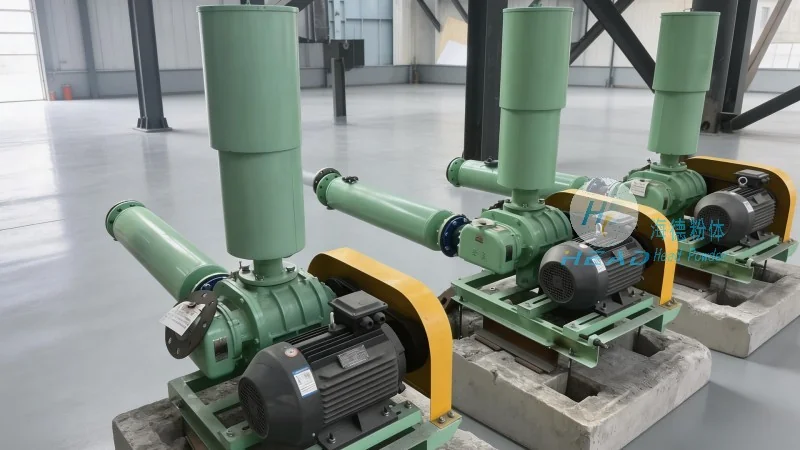
Working Principle of Pneumatic Conveying Systems
The core of a pneumatic conveying system for micron sand powders involves the use of compressed air to move the material from a source to a destination. The system typically consists of a hopper, a feeder, a conveying line, and a receiver. The micron sand is first loaded into the hopper, where it is then fed into the conveying line by a feeder mechanism. Compressed air is introduced into the line, creating a flow that propels the powder particles through the system. The air flow is carefully controlled to maintain a stable and efficient transport, minimizing the risk of clogging or particle degradation. The receiver collects the transported sand, completing the process.
Operation Process of Micron Sand Powder Pneumatic Conveying Equipment
The operation of the equipment begins with the loading of micron sand into the hopper. The feeder then regulates the flow of the powder into the conveying line, ensuring a consistent feed rate. Compressed air is supplied to the system, and the air pressure is adjusted to match the specific characteristics of the micron sand, such as particle size and moisture content. As the air flows through the line, it carries the sand particles, transporting them to the receiver. The receiver is designed to separate the air from the sand, allowing the sand to be discharged while the air is either vented or recirculated. Throughout the operation, the system monitors parameters like pressure, flow rate, and temperature to ensure optimal performance and prevent any issues that could affect the quality of the transported material.
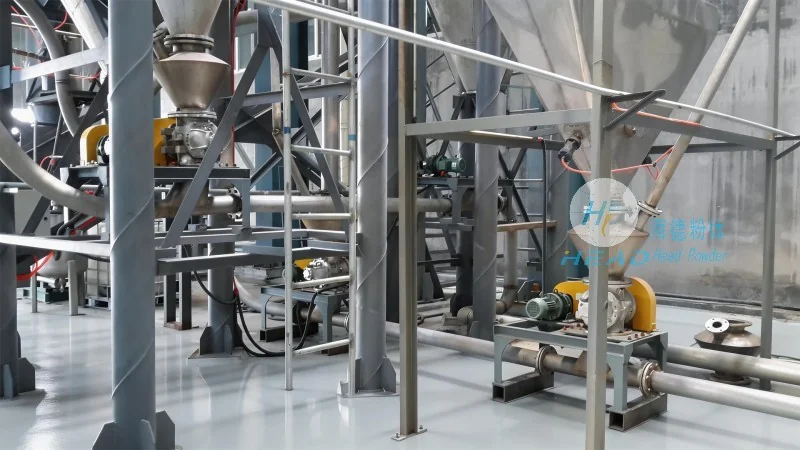
Key Components and Their Roles
The effectiveness of the pneumatic conveying system for micron sand powders relies on several key components, each playing a critical role in the overall operation. The hopper serves as the storage container, holding the raw material until it is needed. The feeder is responsible for controlling the discharge rate from the hopper, ensuring a steady flow into the conveying line. The conveying line, often made of metal or plastic, is where the air and sand travel together. The receiver is the final component, where the sand is collected after being transported. Each component is designed to handle the specific properties of micron sand, such as its fine particle size and potential for static electricity, to prevent issues like clogging or material loss.
Advantages of Using Pneumatic Conveying for Micron Sand
Employing pneumatic conveying equipment for micron sand offers several advantages over traditional methods like belt conveyors or bucket elevators. First, it eliminates the need for mechanical contact with the powder, reducing the risk of contamination and product degradation. The enclosed system also prevents dust emissions, making it more environmentally friendly and safer for operators. Additionally, pneumatic conveying allows for flexible routing of the material, as the conveying line can be easily reconfigured to meet different production requirements. The system is also capable of handling high volumes of material efficiently, making it suitable for large-scale operations. These benefits make pneumatic conveying an ideal solution for industries dealing with fine powders like micron sand.
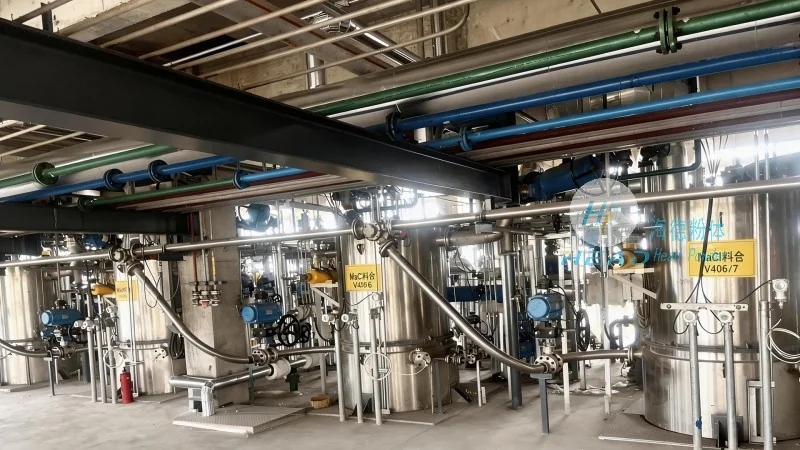
Maintenance and Operational Considerations
Proper maintenance is essential to ensure the long-term performance and reliability of the micron sand pneumatic conveying equipment. Regular checks of the air compressor, feeder, and conveying line are necessary to identify and address any potential issues before they become major problems. The system should be cleaned regularly to prevent the buildup of powder residue, which can affect performance and cause clogging. Additionally, monitoring the air pressure and flow rate is crucial to maintain optimal operation. Operators should be trained to recognize signs of system inefficiency, such as increased pressure or reduced flow, and take appropriate action. By following these maintenance and operational guidelines, the equipment can operate efficiently and deliver consistent results over an extended period.
Conclusion
HeadPowder's pneumatic conveying equipment for micron sand powders is a reliable and efficient solution for transporting fine powders in industrial applications. The system's working principle, based on compressed air, ensures minimal product loss and high transport efficiency. The operational process involves careful control of feed rates and air pressure to maintain stable performance. With proper maintenance and operational considerations, the equipment can provide consistent results, making it a valuable asset for industries dealing with micron sand. HeadPowder, with its expertise in engineering and manufacturing, continues to provide high-quality solutions that meet the specific needs of its clients in Shandong and beyond.